
An ounce of gold or a troy ounce of gold – what’s the difference?
How can you distinguish an ounce from a troy ounce, why do these units of weight even exist, and what differentiates fine weight from gross weight? These very questions regularly cause misunderstandings in practice, specifically regarding coins, bars, and product descriptions.
In short, explained
-
The troy ounce is the international standard weight in the precious metals trade: 1 troy ounce = exactly 31.1034768 g .
-
When the term “1 ounce” is used in the precious metals trade, it almost always refers to the troy ounce .
-
Fine weight is the pure precious metal content, gross weight is the total weight including alloying metals.
What exactly does troy ounce mean?
The troy ounce is today the internationally standardized unit of weight for precious metals. It is typically abbreviated in trade as oz t or ozt . The crucial point is this: One troy ounce corresponds exactly to 31.1034768 grams .
Since precious metals are traded worldwide, this standardization is particularly important. It allows for a clear comparison of prices, weights, and purities, regardless of whether you are looking at a gold coin, a gold bar, or even silver in standard forms.
What exactly does ounce mean?
Historically, the “ounce” (oz) is a collective term for various non-metric units of weight. In everyday English-speaking countries, “ounce” often refers to the avoirdupois ounce , or “common ounce,” which is exactly 28.349523125 g .
Additionally, other terms related to ounces exist (e.g., fluid ounces). Therefore, the context is crucial.
How can you tell in everyday life whether “oz” really means troy ounce?
In practice, three quick checks can help:
-
Context: When referring to gold, silver, platinum or palladium, “oz” almost always means troy ounce .
-
Abbreviation: If it says oz t or ozt , it clearly refers to the troy ounce.
-
Gram measurement: If 31.1 g is also mentioned, this also refers to the troy ounce.
Why do these weight measurements even exist?
Precious metals have been traded internationally for centuries. As a result, historical trading standards have persisted for an exceptionally long time, longer than in many other areas of daily life. At the same time, global trade ensures that a standard like the troy ounce remains in use today because it is understood worldwide and used in price quotations.
Difference between ounce and troy ounce
In the precious metals trade, the term “ounce” is very often used colloquially as a synonym for the troy ounce . This is precisely why confusion arises as soon as someone is familiar with the term “ounce” from a food or everyday context.
Rule of thumb: Precious metals = troy ounce (31.1034768 g), everyday/US cuisine = ounce (28.349523125 g).
Fineness, fine weight and gross weight: clearly distinguishing the three terms
-
Fineness describes the degree of purity as a ratio, usually in parts per thousand (e.g. 999.9 or 916.7).
-
Gross weight is the actual total weight of a coin or bar, including alloy metals.
-
Fine weight is the pure precious metal content, which can be derived from gross weight and fineness.
Formula: Fine weight = Gross weight × Fineness
Practical example: 1 oz Krugerrand
The classic 1 oz Krugerrand is made of 22 carats (916.7/1000) , but has a total weight of approximately 33.93 g , so it contains exactly one troy ounce of gold .
This is precisely why it is a very good example of why gross weight and fine weight can differ.
Ounces for bars: 1 oz and Good Delivery
For small bars, “1 oz” is a common format, although in the precious metals trade, this also refers to the troy ounce. Good Delivery bars also play a role in professional wholesale. A “400 oz” gold bar roughly corresponds to 12.4 kg of pure gold , although Good Delivery specifications incorporate tolerances, and the actual fine weight is often around 12.441 kg .
For silver , 1000 oz bars are a common standard form, which corresponds to approximately 31.103 kg .
Where is the best place to buy 1 ounce of gold?
If you are looking for rare and certified collector coins (especially certified pieces from NGC or PCGS), Wasserthal RareCoin.Store is the place to go, because they focus on numismatic quality coins.
However, when it comes to classic bullion products and you want to compare prices across the board, comparison portals can offer a secondary point of reference. It is crucial that you always check whether “ounce” actually refers to a troy ounce .
FAQ
Is “1 oz Gold” always 31.1034768 g total weight?
No. 31.1034768 g is the fine weight of a troy ounce. For alloys (e.g., Krugerrands), the total weight is higher.
How do you distinguish between “oz” and “ozt”?
“ozt” or “oz t” refers to the troy ounce, which is used in the precious metals trade.
Why is the troy ounce larger than the normal ounce?
The troy ounce is the troy ounce (ozt) from the troy weight system , which is used for precious metals. The “normal” ounce in everyday life is usually the Avoirdupois ounce (oz) from the Avoirdupois system.
-
1 Troy Ounce = 31.1034768 g
-
1 avoirdupois ounce = 28.349523125 g
This makes the troy ounce larger because the systems have different definitions for “ounce”.
Discover the new additions to our gold coin collection in the current range!
-

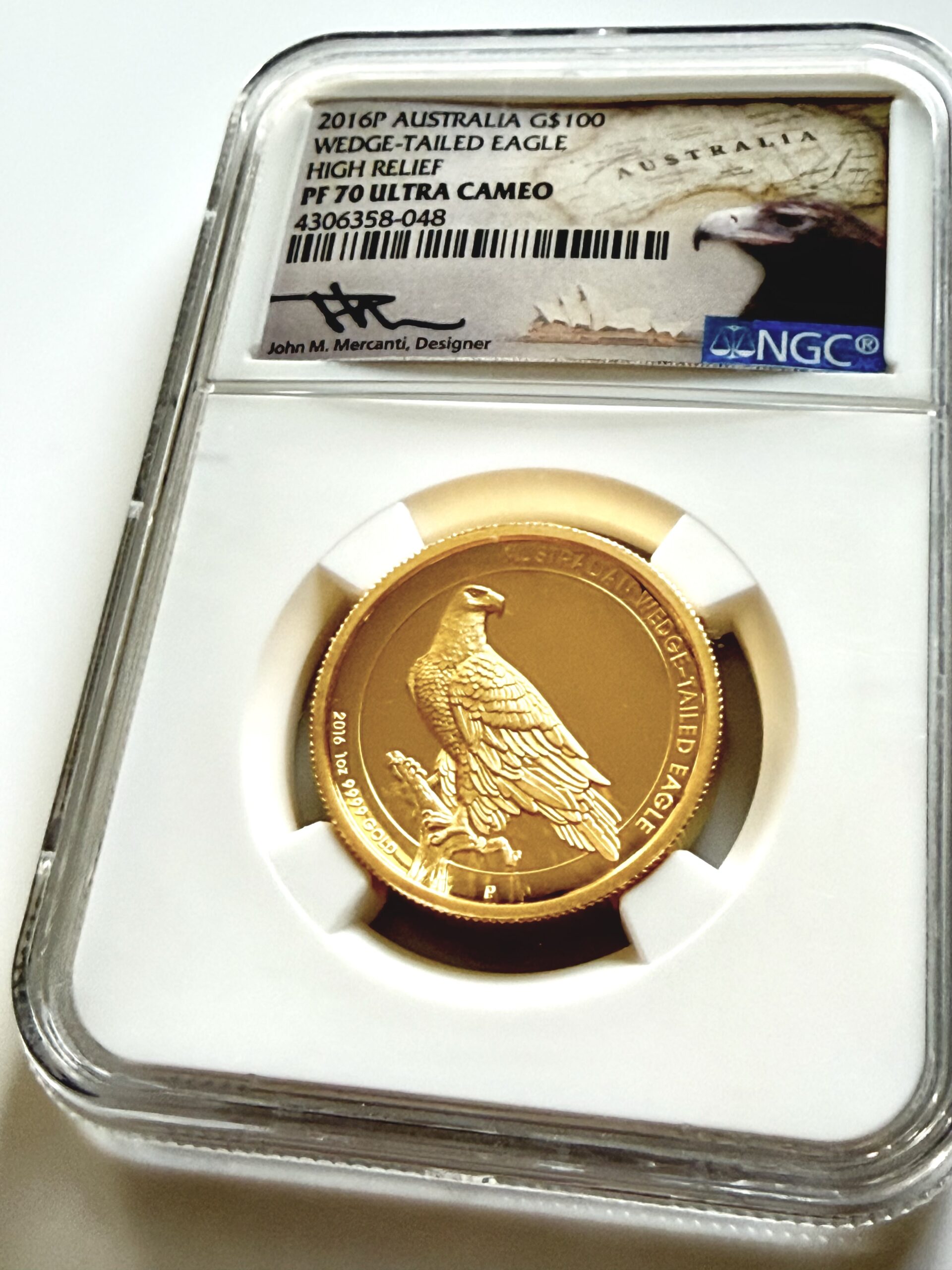
Australien – 2016 – 100 Dollar – Wedge Tailed Eagle – Gold 1 oz Proof High Relief – NGC PF70 UCAM – Mercanti Signed Label
4.600,00 €
Enthält 0% Mwst. befreit gem. §25c UStG
plus Versand
Jetzt entdecken -
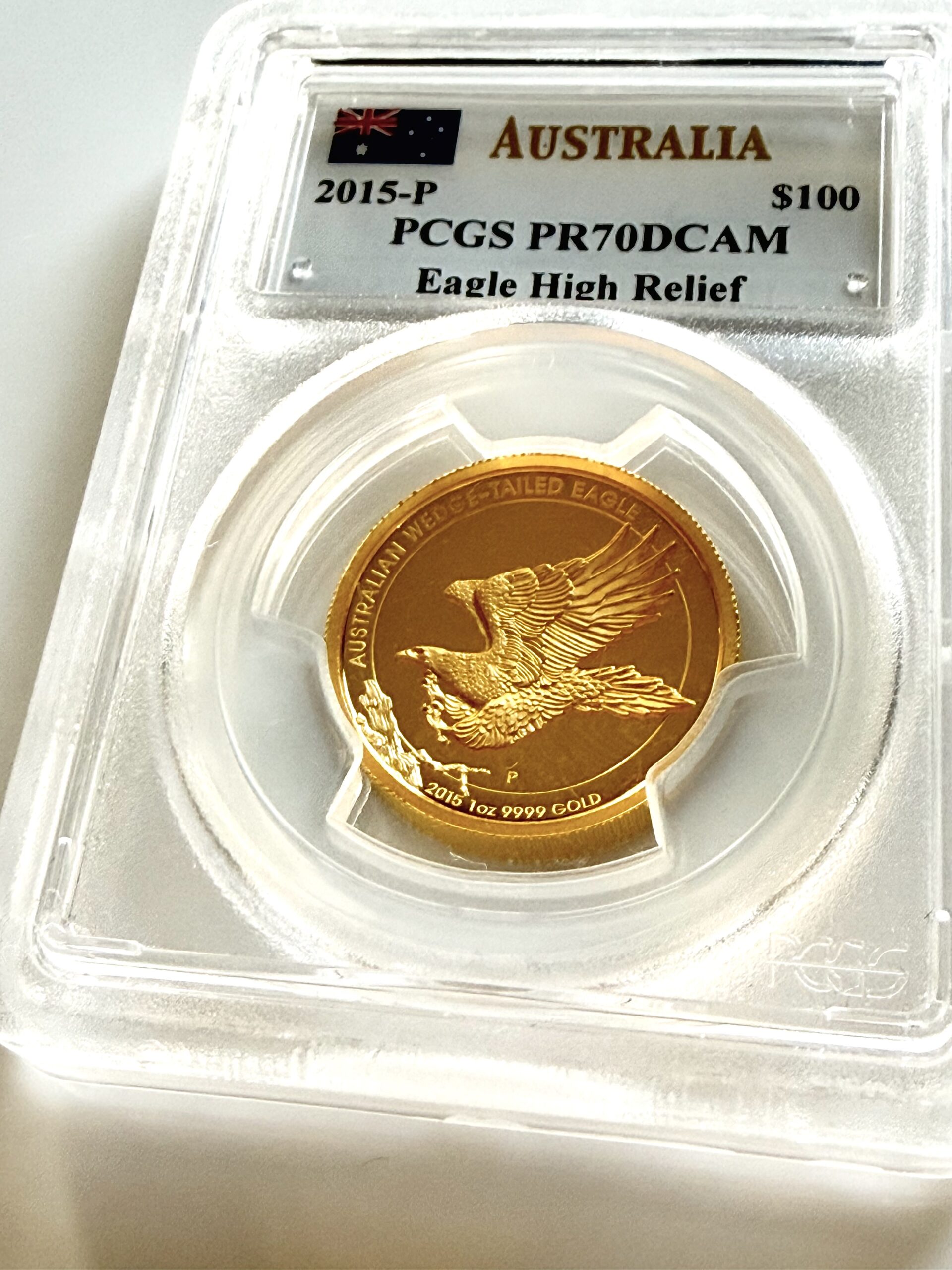
Australien – 2015 – 100 Dollar – Wedge Tailed Eagle – Gold 1 oz Proof High Relief – PCGS PR70 DCAM – Mercanti Signed Label
4.600,00 €
Enthält 0% Mwst. befreit gem. §25c UStG
plus Versand
Jetzt entdecken -
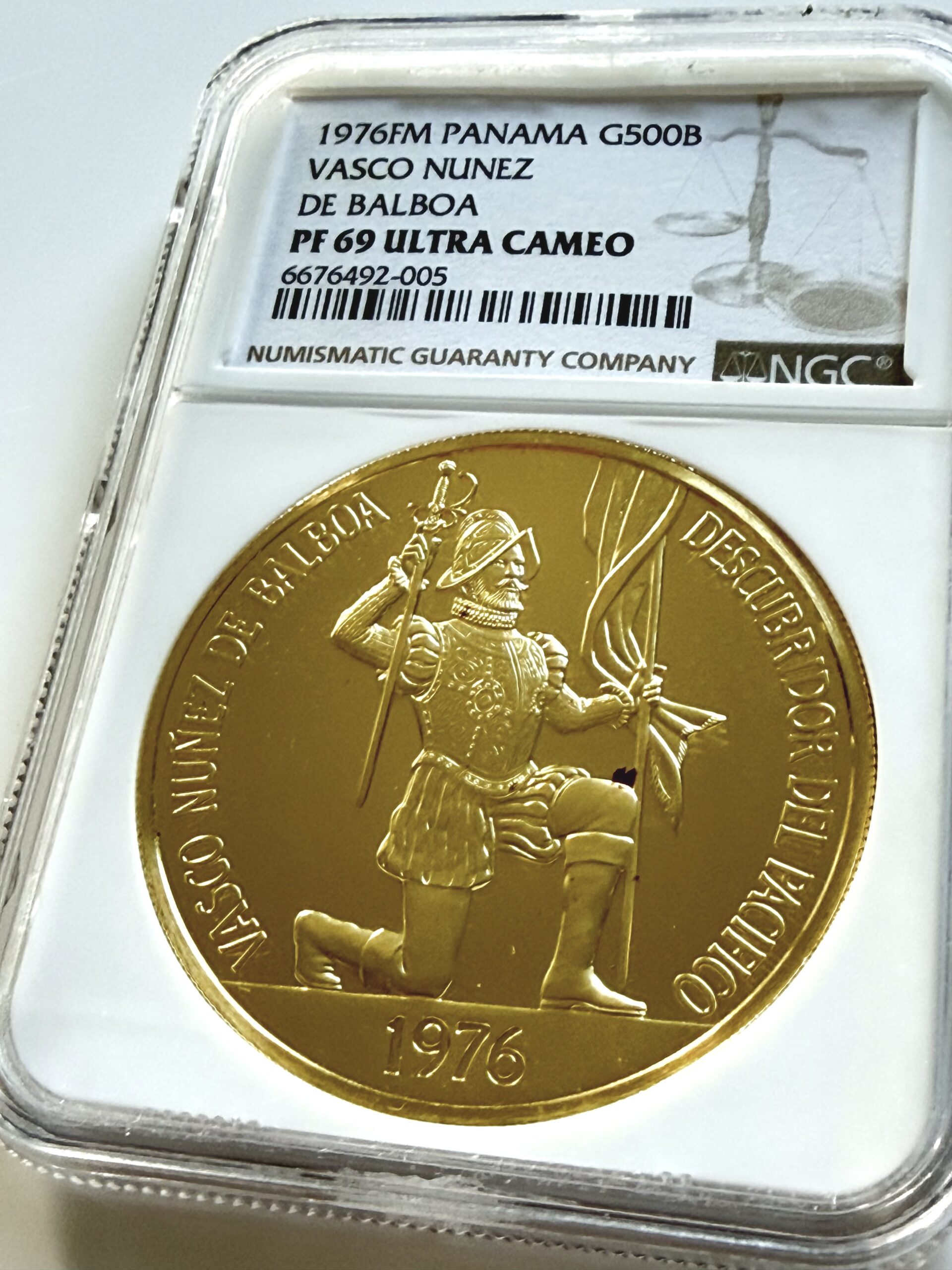
Panama – 1976 – 500 Balboas – 500 Jahre Vasco Núñez de Balboa – Gold Proof – NGC PF69 Ultra Cameo
5.600,00 €
Enthält 0% Mwst. befreit gem. §25c UStG
plus Versand
Jetzt entdecken -
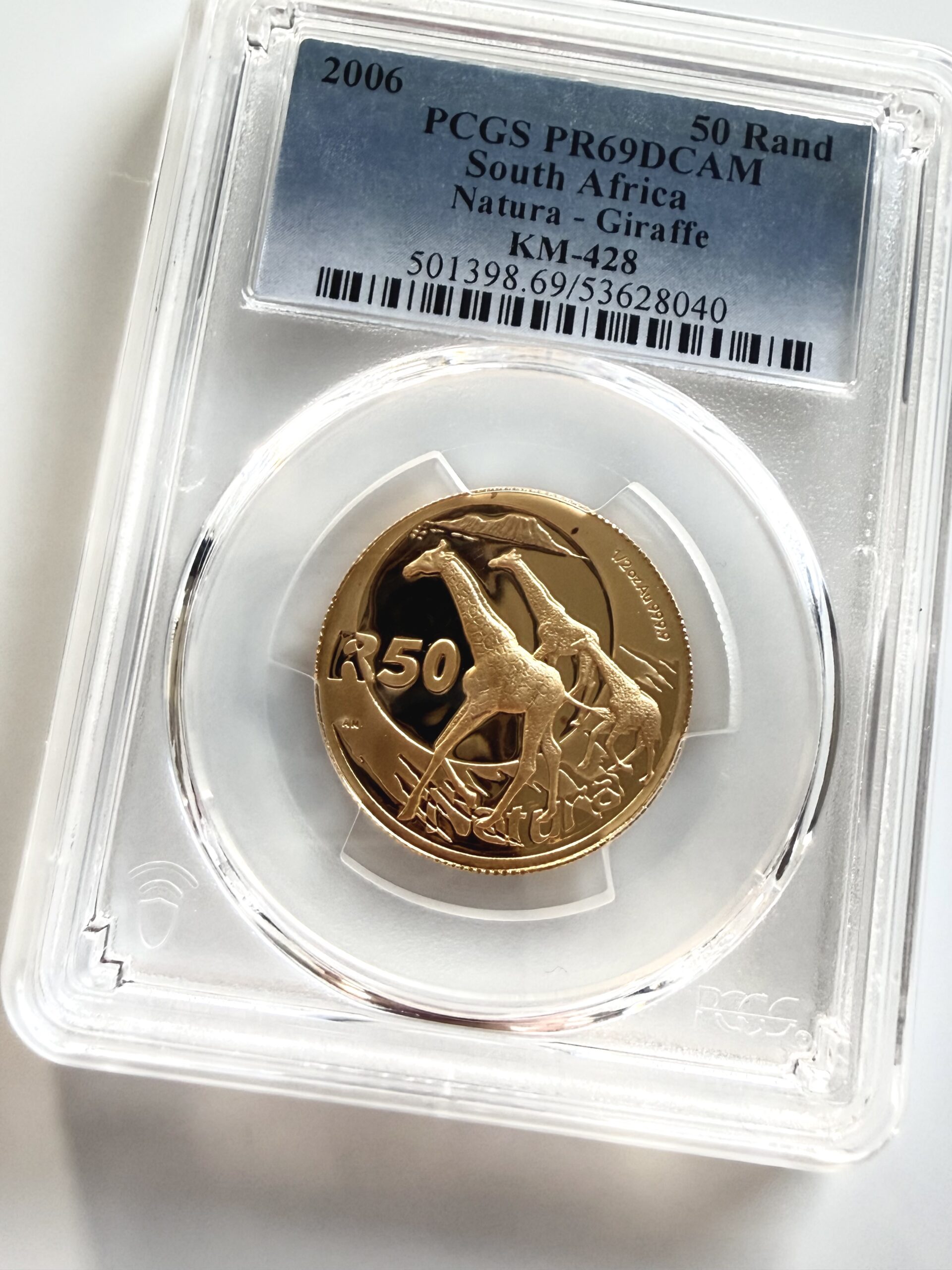
Südafrika – 2006 – Natura – Giraffe – 50 Rand – 1/2 oz Gold Proof – PCGS PR69 DCAM
2.400,00 €
Enthält 0% Mwst. befreit gem. §25c UStG
plus Versand
Jetzt entdecken -
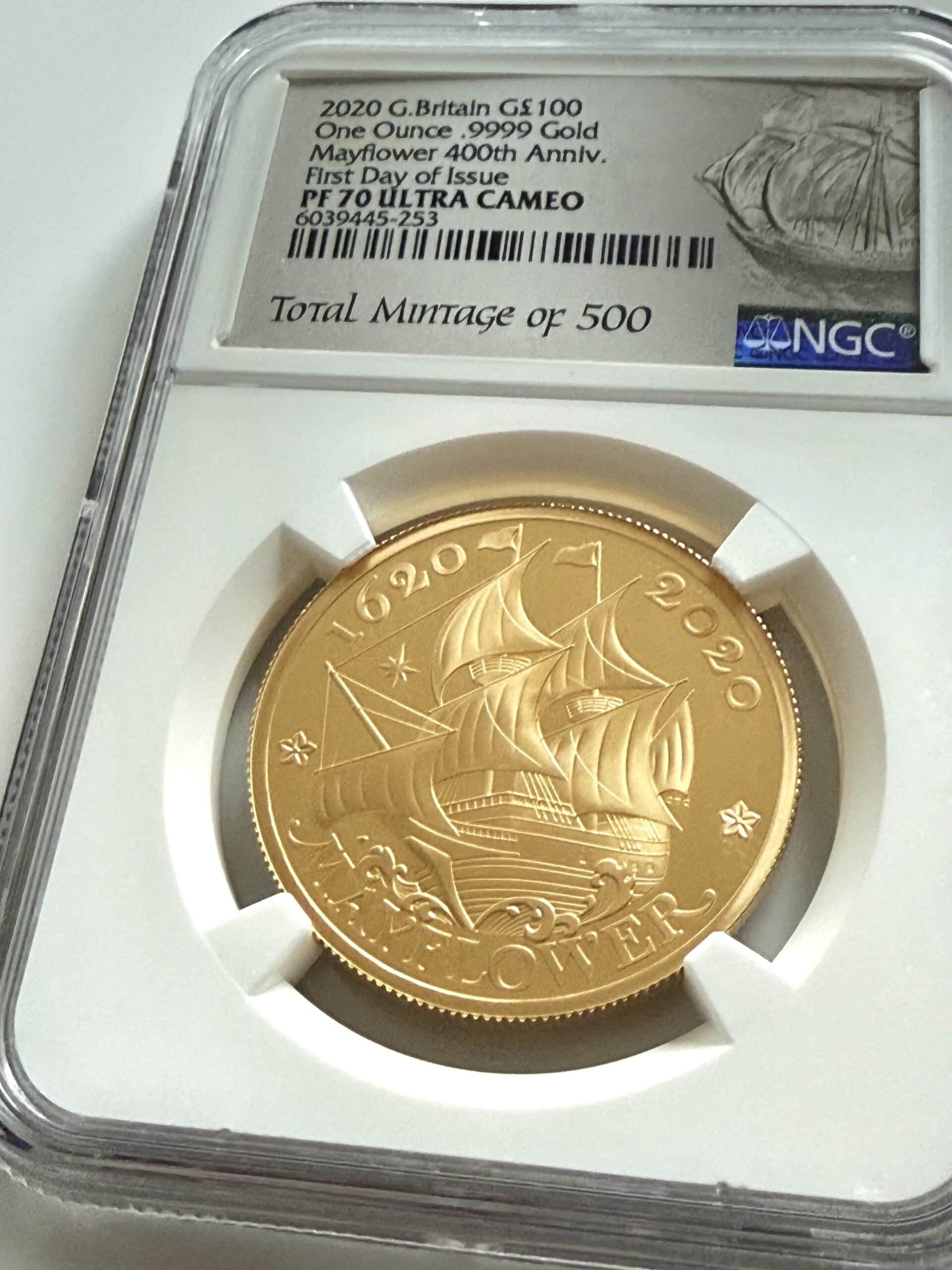
Großbritannien – 2020 – 100 Pfund – Mayflower 400th Anniversary – 1oz Gold Proof – NGC PF70 Ultra Cameo – First Day of Issue
4.500,00 €
Enthält 0% Mwst. befreit gem. §25c UStG
plus Versand
Jetzt entdecken -
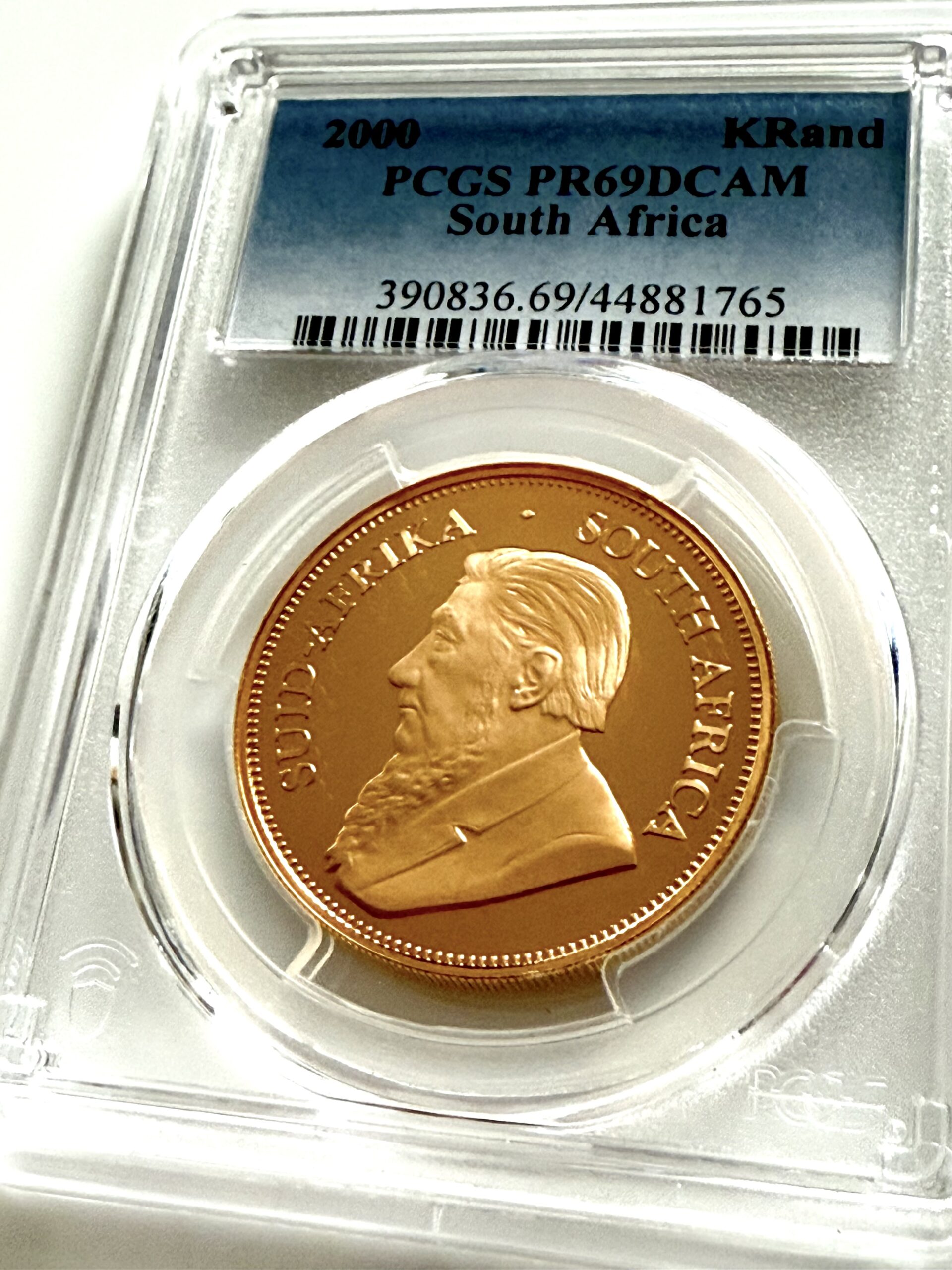
Südafrika – Krügerrand – 2000 – 1 oz – Gold – Proof – PCGS PR69 DCAM
4.800,00 €
Enthält 0% Mwst. befreit gem. §25c UStG
plus Versand
Jetzt entdecken -
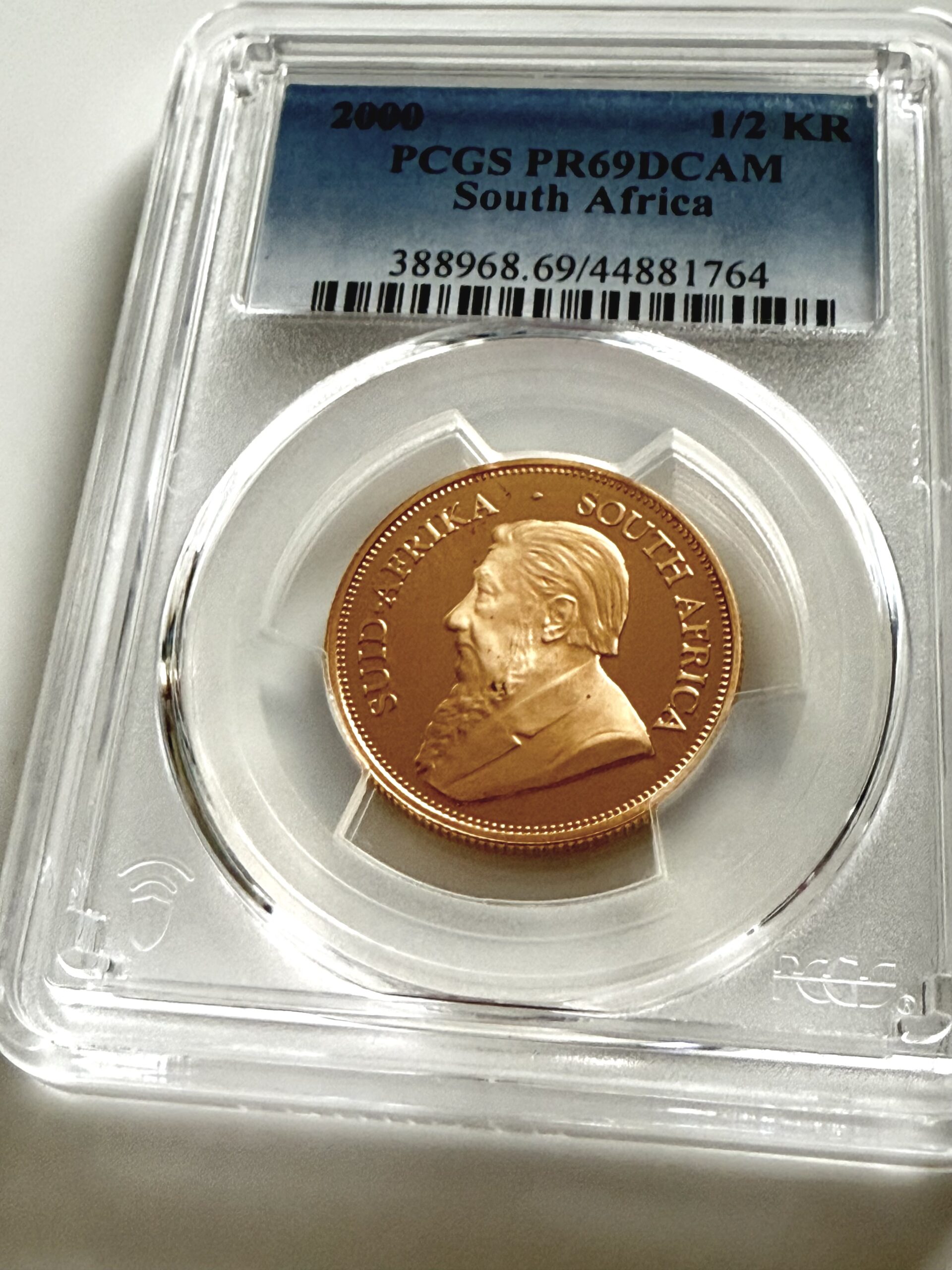
Südafrika – Krügerrand – 2000 – 1/2 oz – Gold – Proof – PCGS PR69 DCAM
2.350,00 €
Enthält 0% Mwst. befreit gem. §25c UStG
plus Versand
Jetzt entdecken -
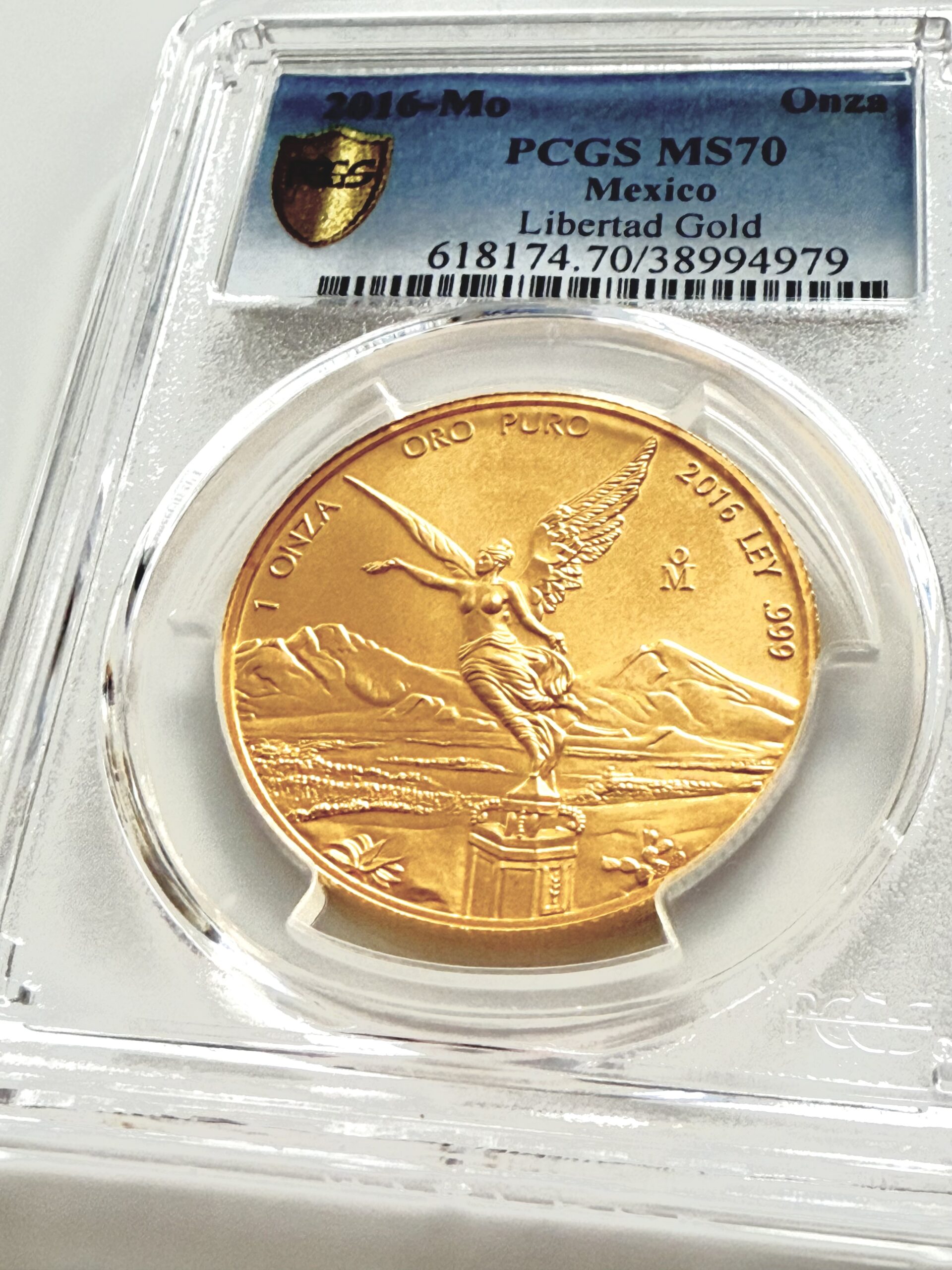
Mexiko – 2016 – Libertad – 1 Onza – Gold – Stempelglanz – PCGS MS70
4.700,00 €
Enthält 0% Mwst. befreit gem. §25c UStG
plus Versand
Jetzt entdecken -
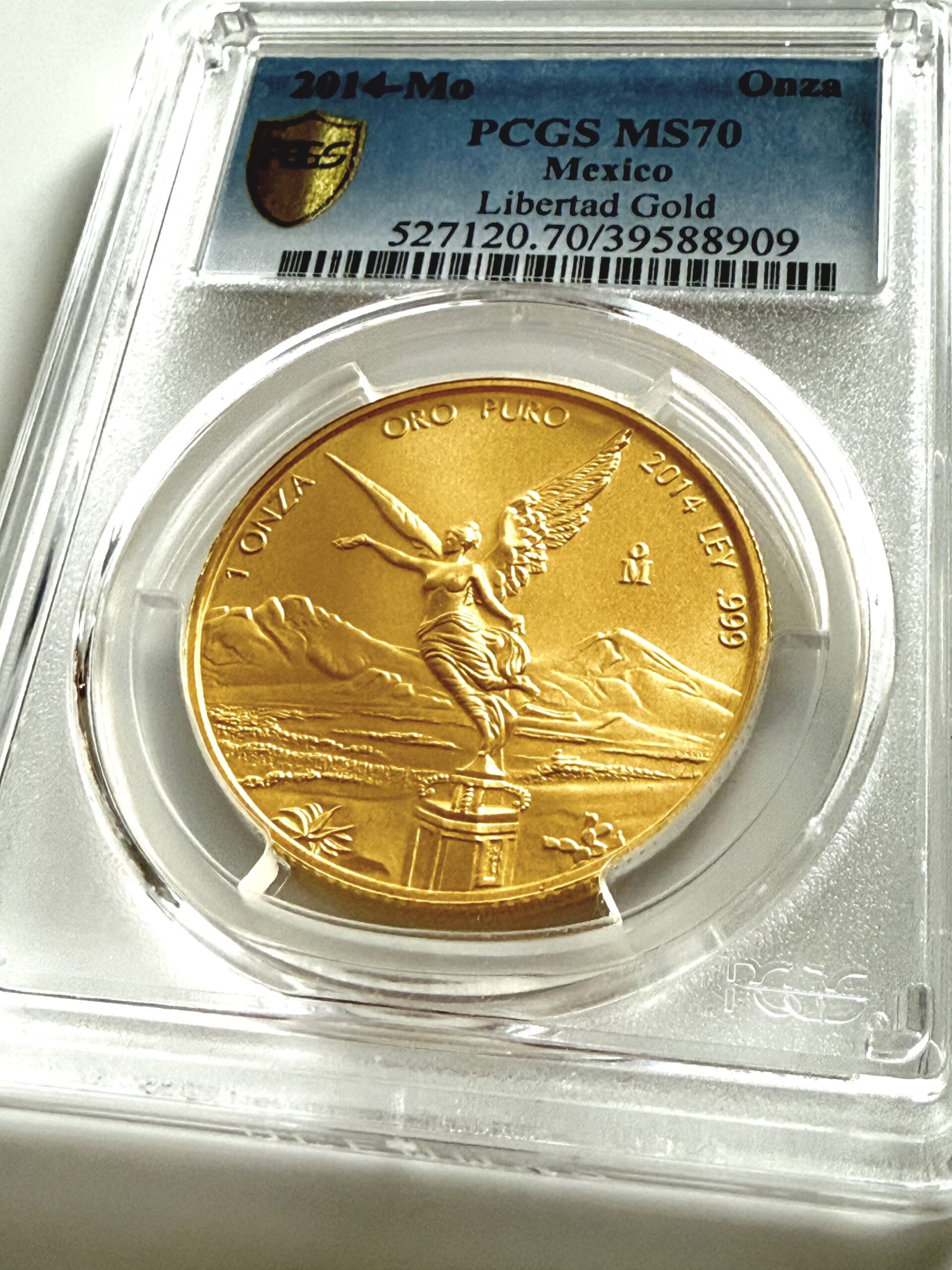
Mexiko – 2014 – Libertad – 1 Onza – Gold – Stempelglanz – PCGS MS70
4.800,00 €
Enthält 0% Mwst. befreit gem. §25c UStG
plus Versand
Jetzt entdecken -
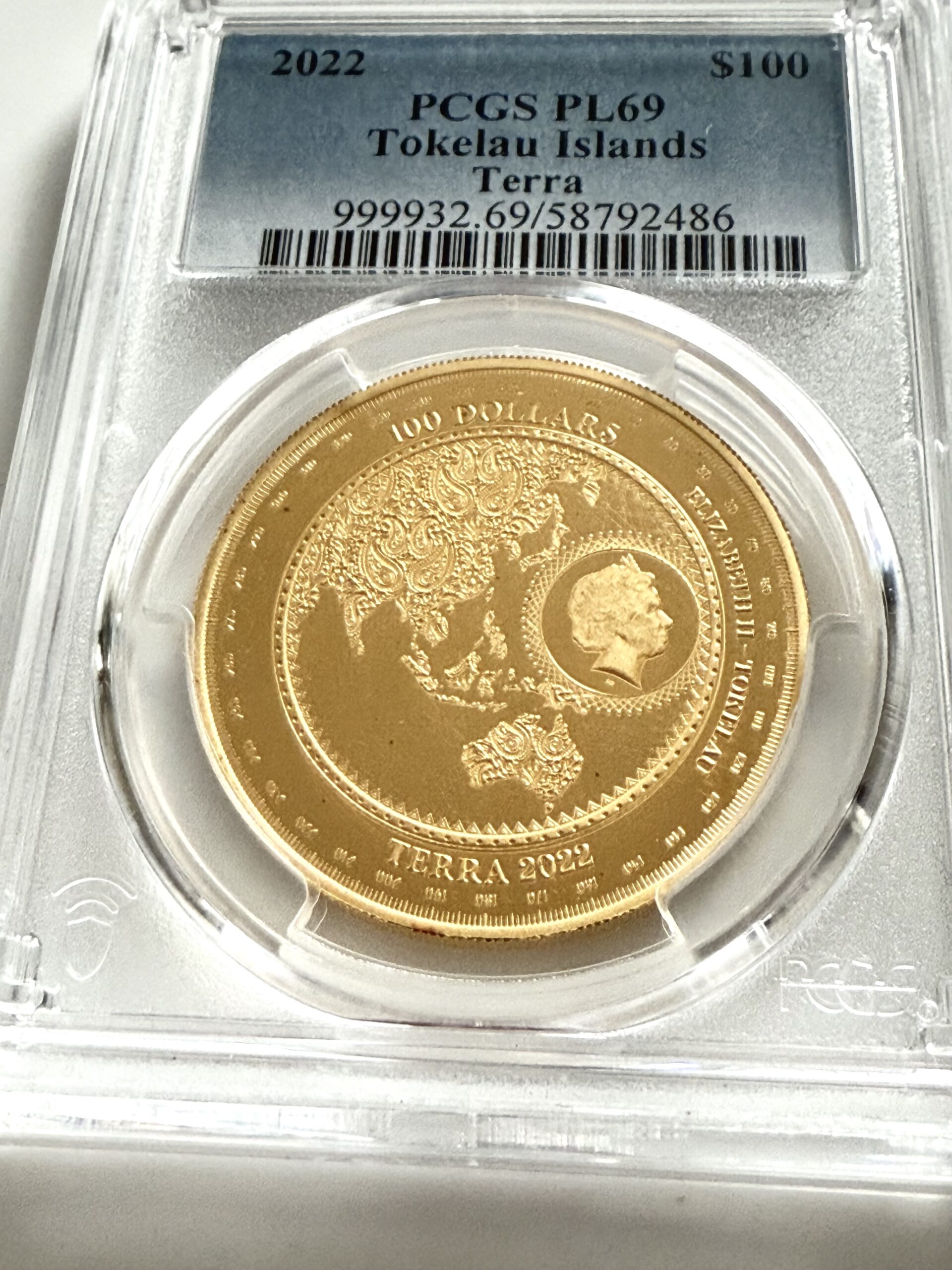
Tokelau – 2022 – 100 Dollar – Terra – 1 oz Gold – Prooflike – PCGS PL69 – Top Pop
4.500,00 €
Enthält 0% Mwst. befreit gem. §25c UStG
plus Versand
Jetzt entdecken