Coin grading at NGC and PCGS – a practical check for collectors
For many collectors , having a coin graded by NGC and PCGS is the crucial step when condition, authenticity, and market comparability need to be properly documented. At the same time, the greatest damage almost never occurs in the grading laboratory, but before it, due to incorrect handling, false expectations, or an unsuitable selection of the coins to be sent in.
This article is therefore deliberately written as a practical guide: You will receive a clear checklist, decision-making support, and information on typical mistakes so that you can better plan results and avoid disappointments.
1) What you can realistically achieve with grading
Grading offers three specific advantages:
-
Comparability: Condition is assessed using a standardized approach, making prices and quality more comparable.
-
Trust: Authenticity and classification are verifiable, which often facilitates sales.
-
Protection: The holder reduces everyday risks during storage and handling.
However, it’s important to understand that grading doesn’t make a coin “better,” but rather makes its condition visible. That’s precisely why a dispassionate pre-selection is worthwhile.
2) NGC or PCGS: Decide based on target and coin type
Both providers are well-established. In practice, what matters less is the theory and more whether the result suits your collection and your target market.
If you primarily want international comparability
Grading is generally a good idea, provided the coin is in a condition that allows for it. The crucial point is to remain consistent; don’t switch providers every month, as this will make your collection inconsistent.
If you are sending in proof coins (polished plate)
The surface of proofs is extremely sensitive. Therefore, the deciding factor is often not the subject matter, but rather whether the mirrors and fields are truly free of hairlines and micro-marks.
If you are sending in Mint State (MS)
For MS pieces, contact marks, bag marks, and edge issues are often the primary drivers of grade. Therefore, a different pre-check is recommended than for proofs.
3) Is grading worth it? The 7-point checklist
If you can clearly answer “yes” to at least three points, grading is often useful in practice:
-
Rare edition or low print run
-
Very good condition with no visible surface problems
-
Premium potential realistically higher than costs and effort.
-
You want to sell internationally later or make the coin easier to trade.
-
You are collecting a series and want comparability within your collection.
-
This is proof or a sensitive issue where protection by the holder is relevant.
-
They already have a clear strategy regarding whether NGC or PCGS should dominate.
If, on the other hand, only the pure precious metal value counts and the coin is standard on the market, the added value is often low.
4) The most common mistakes before submitting
Mistake 1: Cleaning, wiping or “briefly polishing”
This is a classic problem. Even well-intentioned cleaning often creates hairlines or alters surfaces. This often significantly lowers the grade, and a cleaned coin is frequently less attractive on the market.
Error 2: Incorrect handling
Fingerprints, micro-scratches, and contact marks appear quickly. Handle coins only by the edge, and as little as possible.
Error 3: Incorrect expectations regarding PF/MS 70
The expectation of “70 or nothing” is rarely realistic. A better approach is to set a target range that suits the coin type and makes the premium understandable.
Mistake 4: Choosing based on gut feeling instead of light testing
Coins often look better in photos than under oblique lighting. Therefore, always check them under good lighting conditions, not just “in everyday situations”.
5) Preparation in 5 steps: How to proceed cleanly
-
Do not clean
-
Keep only at the edge and minimize contact
-
Light testing under oblique light: hairlines, fields, edges, spots
-
Pre-sorting : Premium candidates vs. “trust only” vs. better to leave raw.
-
Secure packaging : nothing should rub or slip, especially with proofs.
6) What do MS, PF and Cameo mean in practice?
-
MS (Mint State): mint condition, never in circulation.
-
PF (Proof, Polished Plate): Collector’s coin with mirrored fields, often particularly delicate.
-
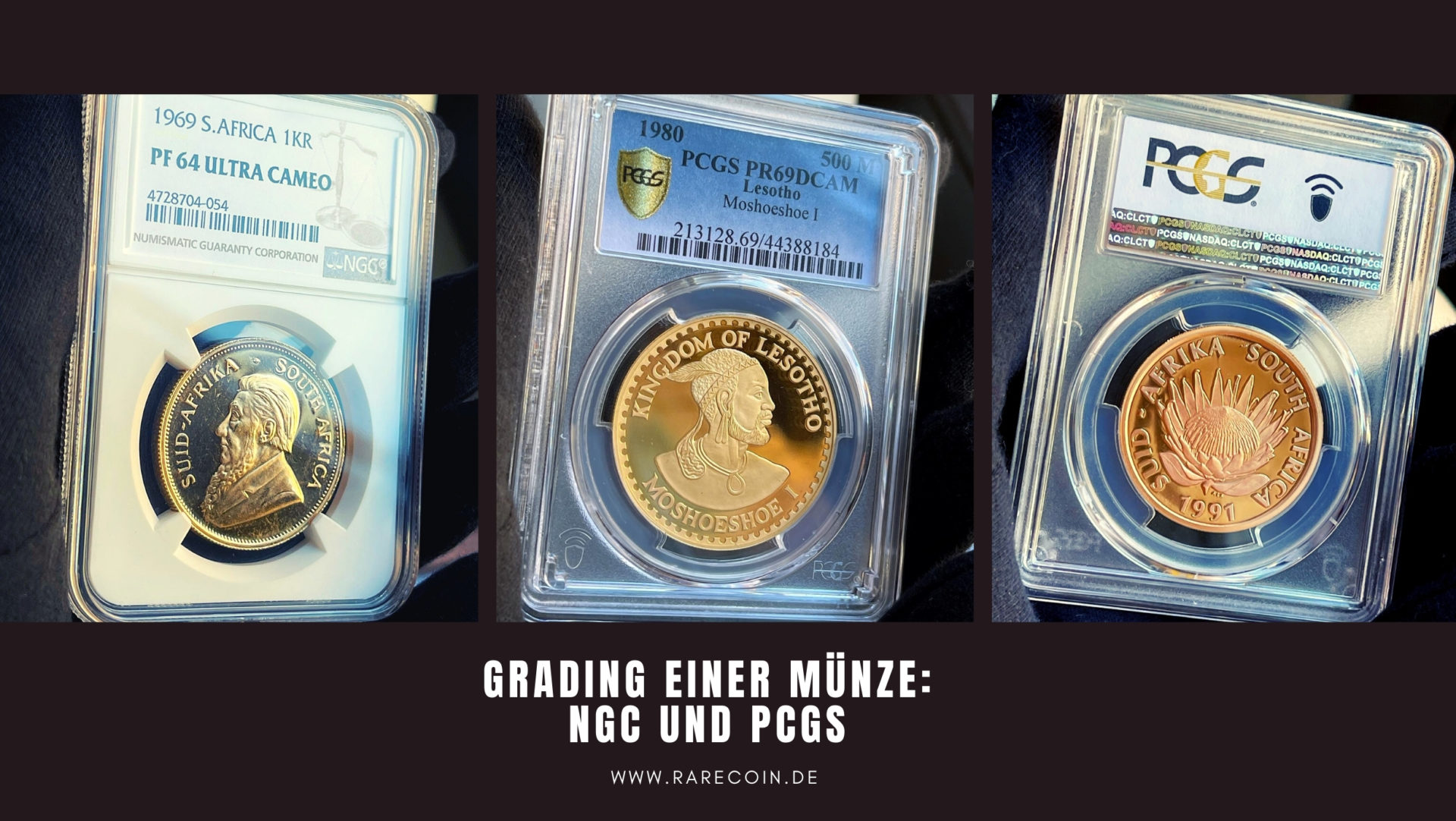
Cameo / Ultra Cameo: describes the contrast between the fields and relief in proof printing. The more uniform and stronger the contrast, the more attractive it is to collectors for many issues.
It is important to note that these designations are not a “guarantee of value,” but rather aid in comparison. Market value is determined by condition, rarity, and demand.
7) Cert-Check: How to correctly check NGC and PCGS certificates
After grading, the certificate number should always be part of your documentation. Then check it in the respective certification tool:
-
whether the number exists, and furthermore
-
whether the type, year, nominal value and grade match exactly.
Practical tip: If a photo is available, compare the details and surface characteristics. This will help you quickly determine whether the holder and coin belong together.
8) Conclusion: The clean way to better results
Grading is worthwhile when you work with a clear strategy: correct pre-selection, clean handling, realistic expectations, and consistent certification checks. This doesn’t automatically make a coin a “better” coin, but it does make it significantly more comparable, trustworthy, and often easier to trade internationally.
If you would like assistance with grading
If you’re unsure whether grading a coin is worthwhile, contact us. We can help with a preliminary assessment, taking into account its condition, market trends, and a realistic outcome. Furthermore, our shop offers numerous coins that have already been certified by NGC or PCGS.
FAQ
What is the most common reason for a disappointing grade?
Surface problems, especially hairlines caused by cleaning or improper handling.
What is the most important difference between Proof and Mint State for grading purposes?
Proof is extremely sensitive to hairlines and mirror marks. Mint State is more affected by contact marks, bag marks, and edge issues.
Do I have to have every coin rounded?
No. Grading is a tool. For purely marketable goods without premium potential, it is often not economical.
Why is the Cert check so important?
Because it ensures authenticity and attribution, thus creating trust in sales.
-

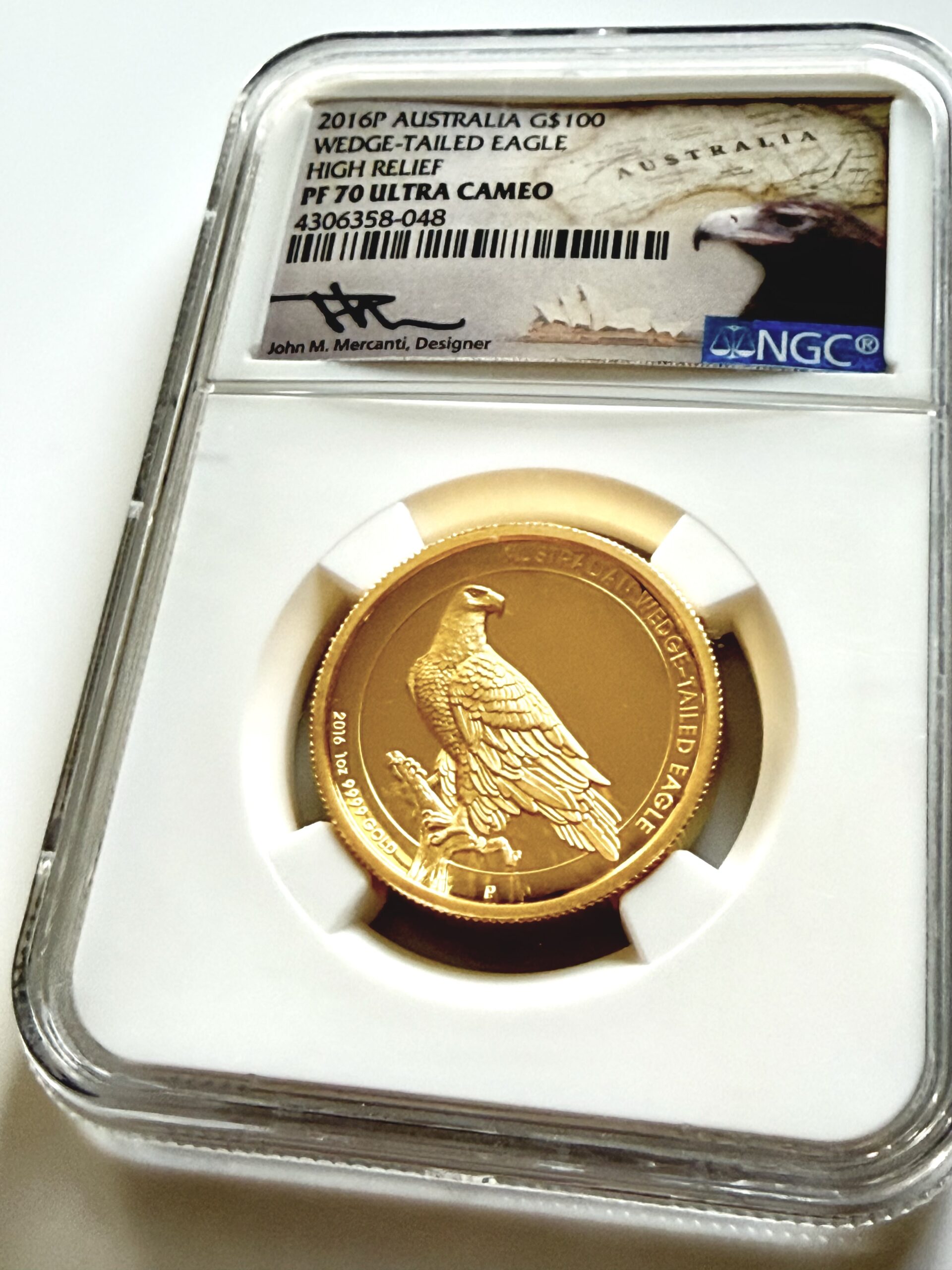
Australien – 2016 – 100 Dollar – Wedge Tailed Eagle – Gold 1 oz Proof High Relief – NGC PF70 UCAM – Mercanti Signed Label
4.600,00 €
Enthält 0% Mwst. befreit gem. §25c UStG
plus Versand
Jetzt entdecken -
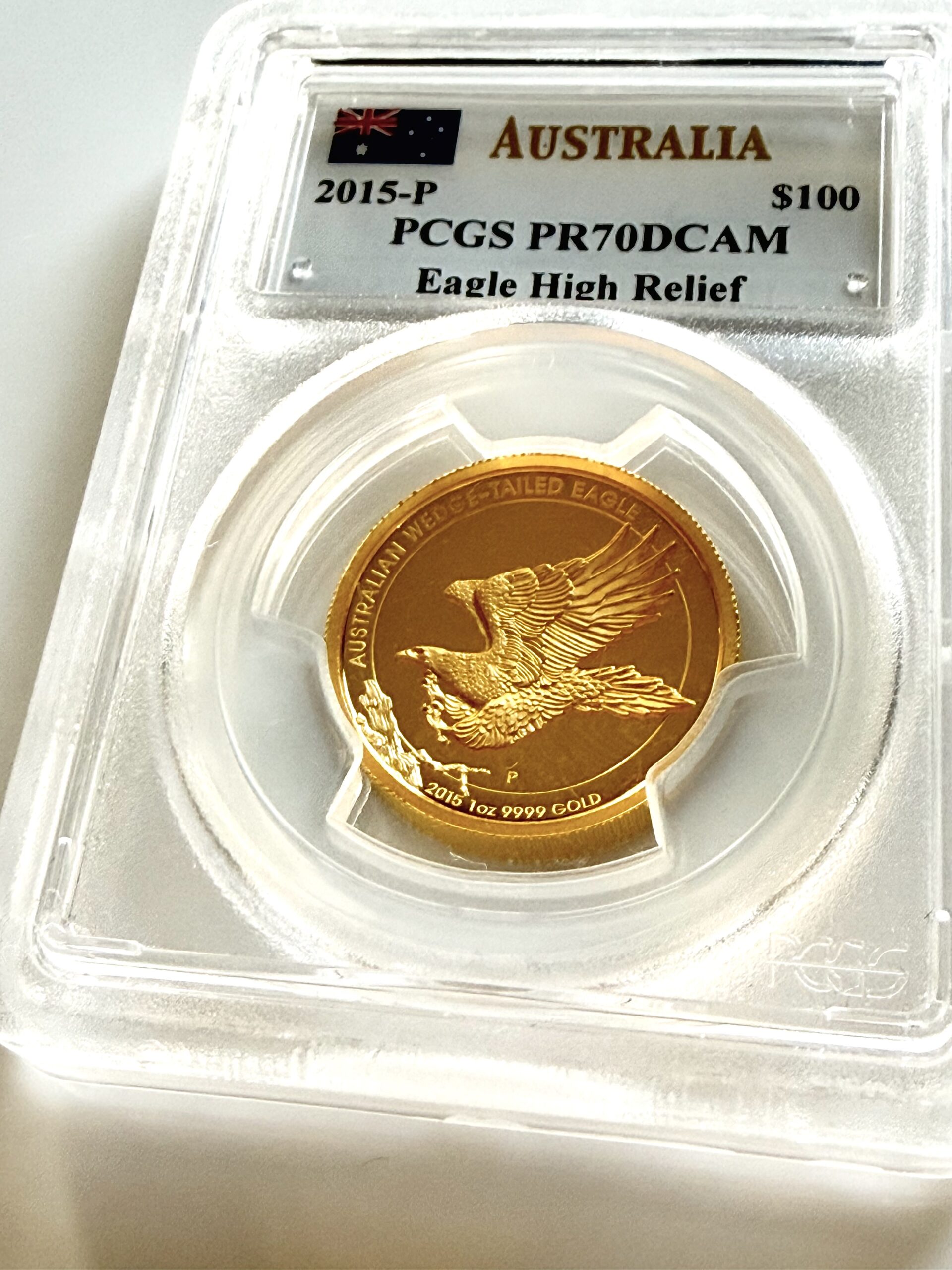
Australien – 2015 – 100 Dollar – Wedge Tailed Eagle – Gold 1 oz Proof High Relief – PCGS PR70 DCAM – Mercanti Signed Label
4.600,00 €
Enthält 0% Mwst. befreit gem. §25c UStG
plus Versand
Jetzt entdecken -
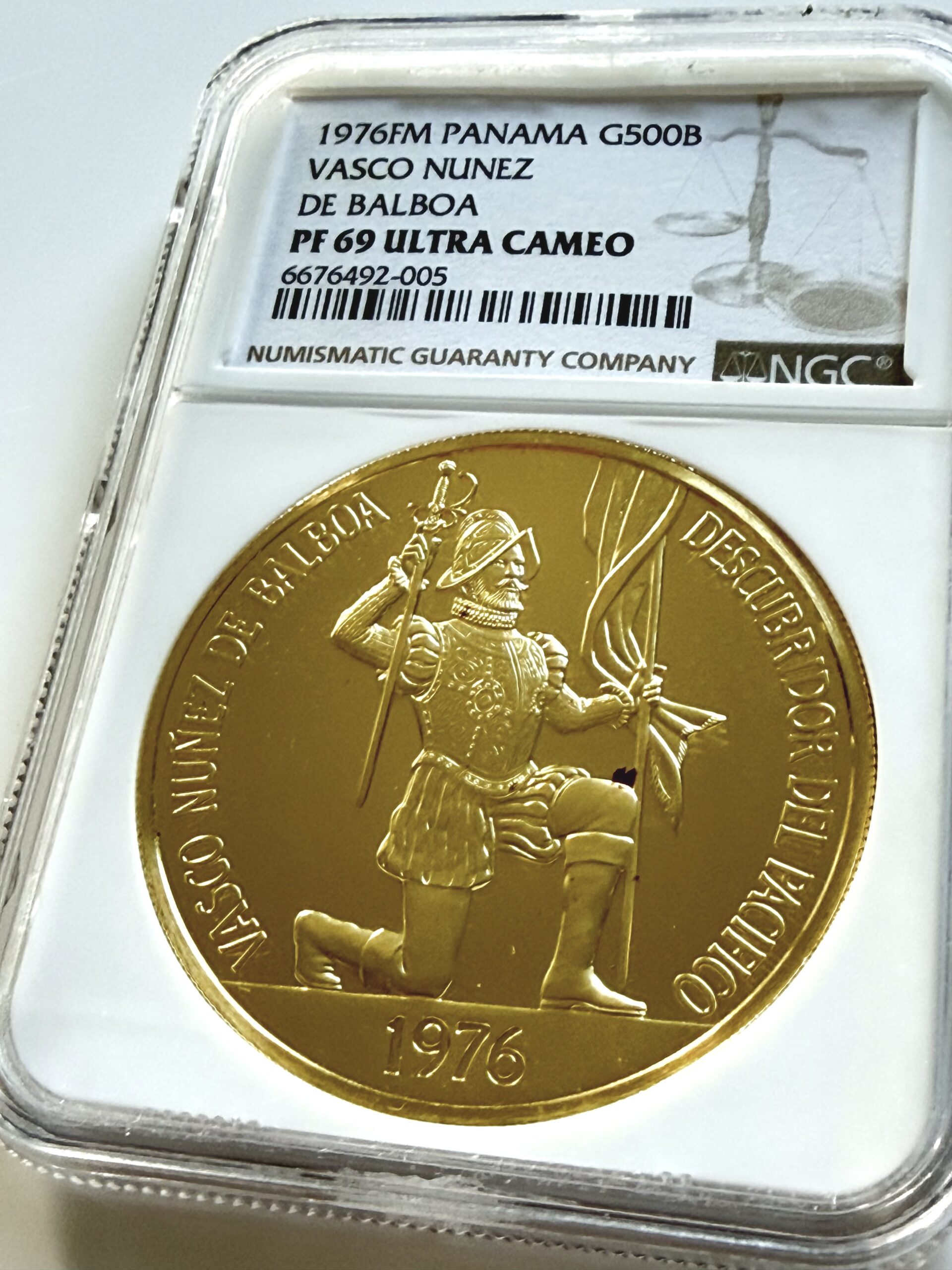
Panama – 1976 – 500 Balboas – 500 Jahre Vasco Núñez de Balboa – Gold Proof – NGC PF69 Ultra Cameo
5.600,00 €
Enthält 0% Mwst. befreit gem. §25c UStG
plus Versand
Jetzt entdecken -
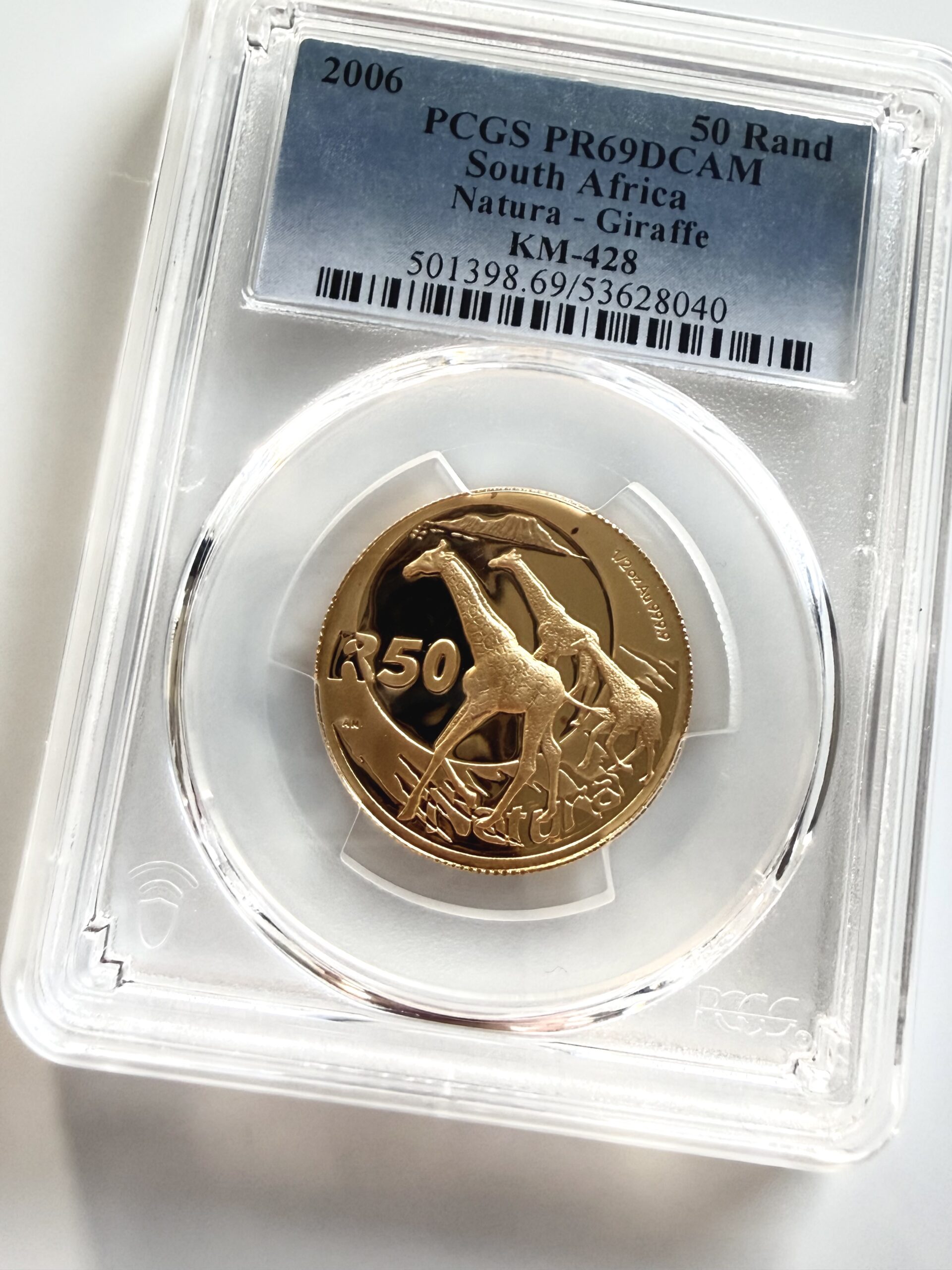
Südafrika – 2006 – Natura – Giraffe – 50 Rand – 1/2 oz Gold Proof – PCGS PR69 DCAM
2.400,00 €
Enthält 0% Mwst. befreit gem. §25c UStG
plus Versand
Jetzt entdecken -
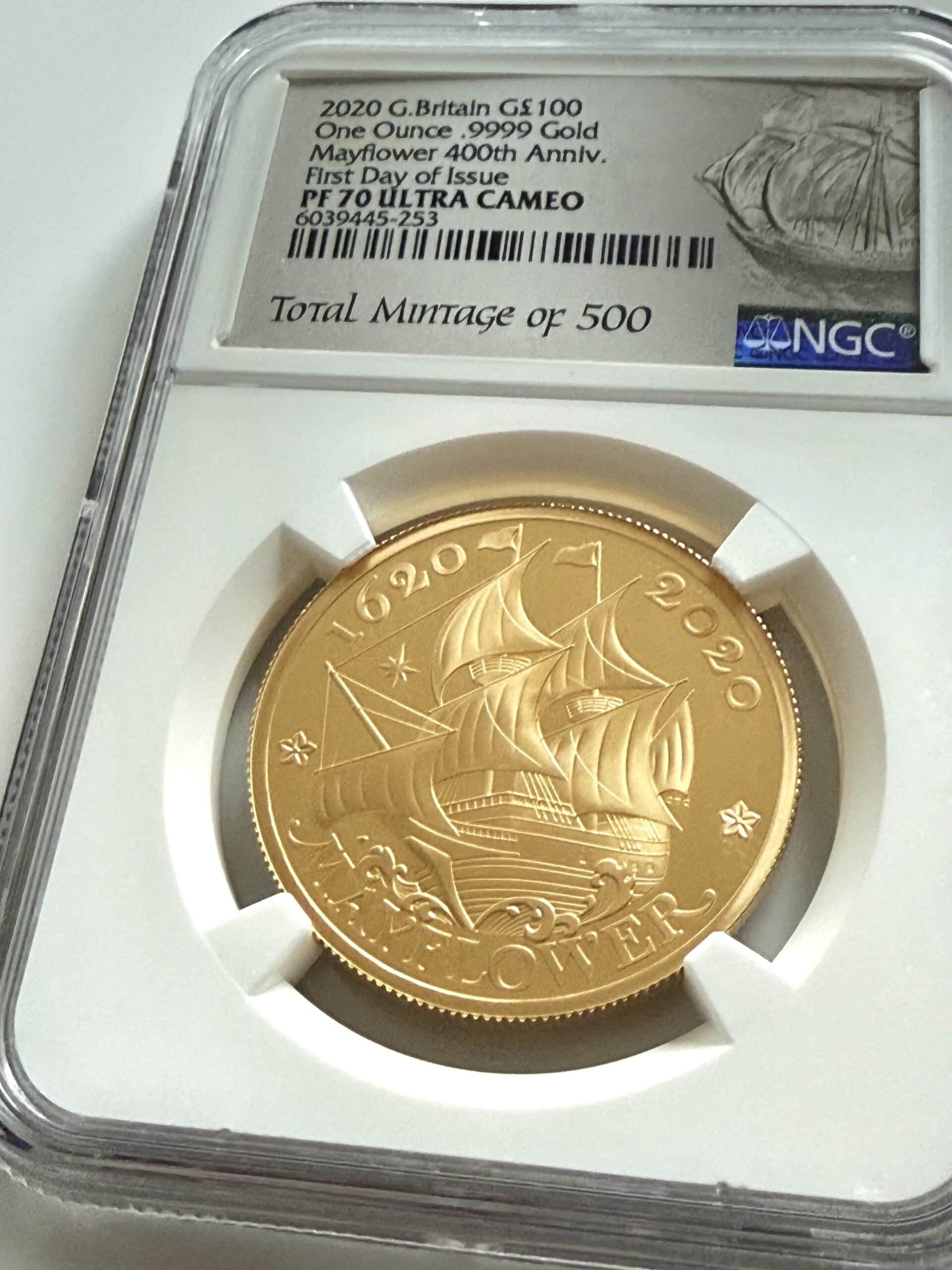
Großbritannien – 2020 – 100 Pfund – Mayflower 400th Anniversary – 1oz Gold Proof – NGC PF70 Ultra Cameo – First Day of Issue
4.500,00 €
Enthält 0% Mwst. befreit gem. §25c UStG
plus Versand
Jetzt entdecken -
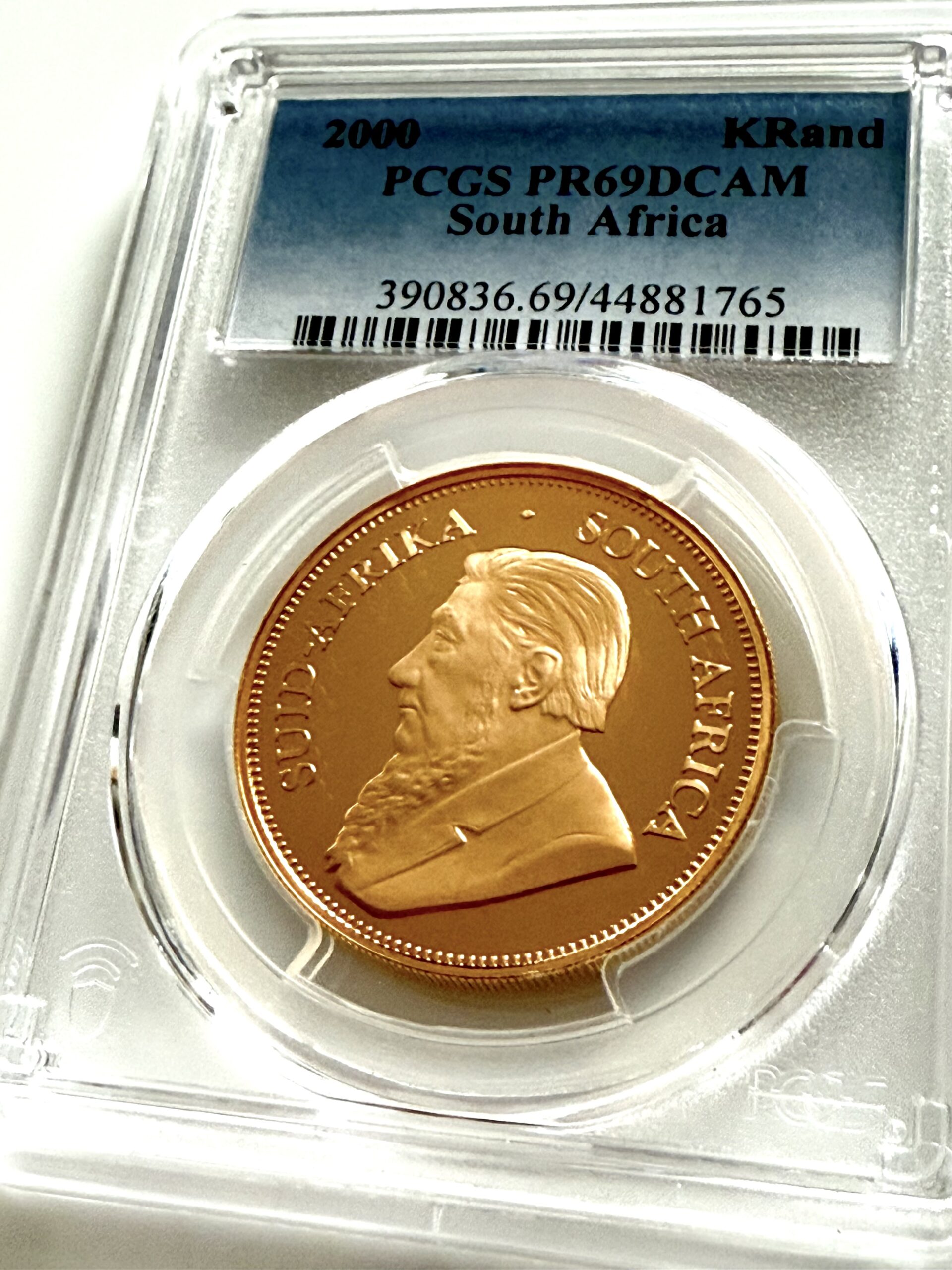
Südafrika – Krügerrand – 2000 – 1 oz – Gold – Proof – PCGS PR69 DCAM
4.800,00 €
Enthält 0% Mwst. befreit gem. §25c UStG
plus Versand
Jetzt entdecken -
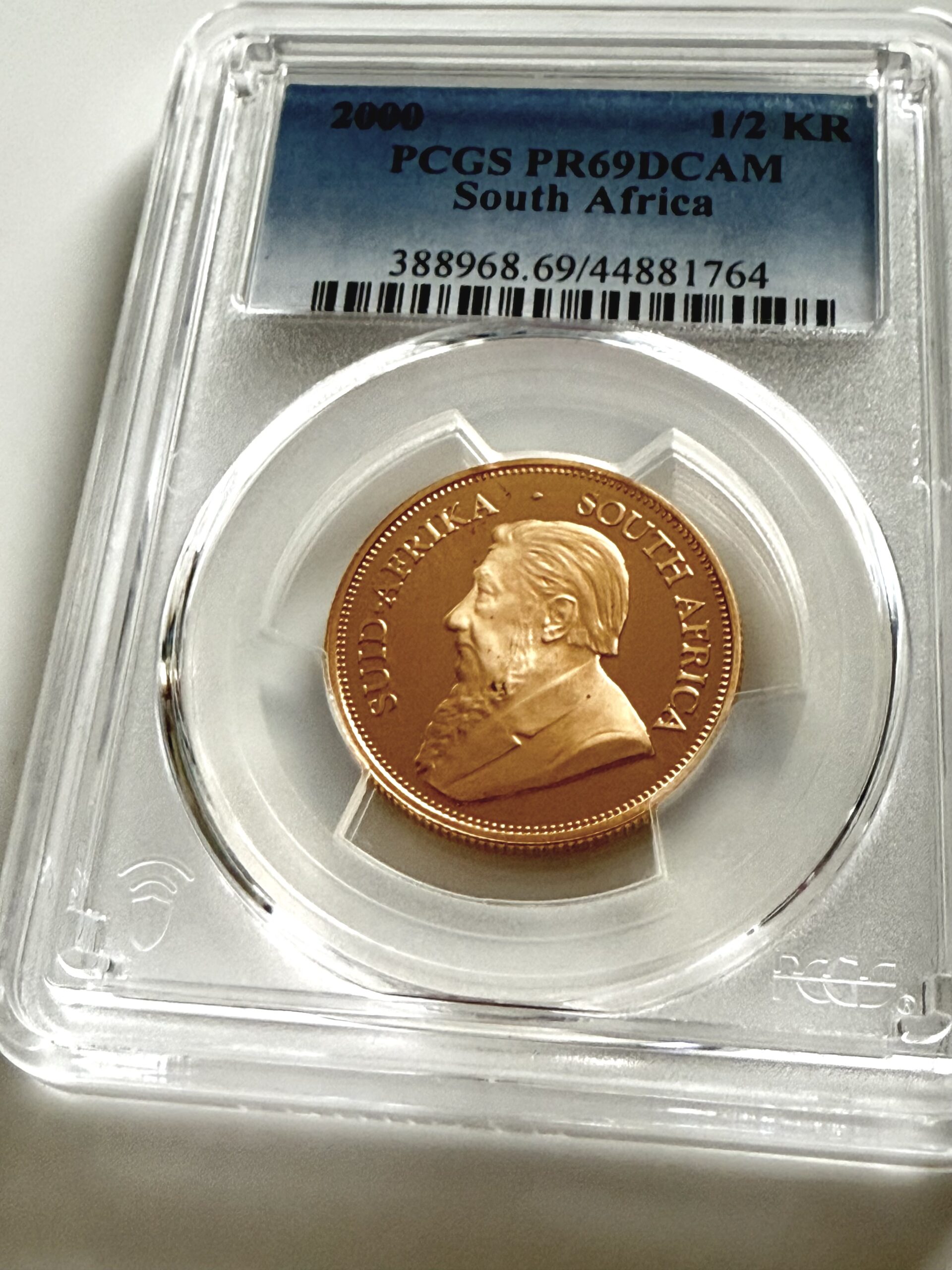
Südafrika – Krügerrand – 2000 – 1/2 oz – Gold – Proof – PCGS PR69 DCAM
2.350,00 €
Enthält 0% Mwst. befreit gem. §25c UStG
plus Versand
Jetzt entdecken -
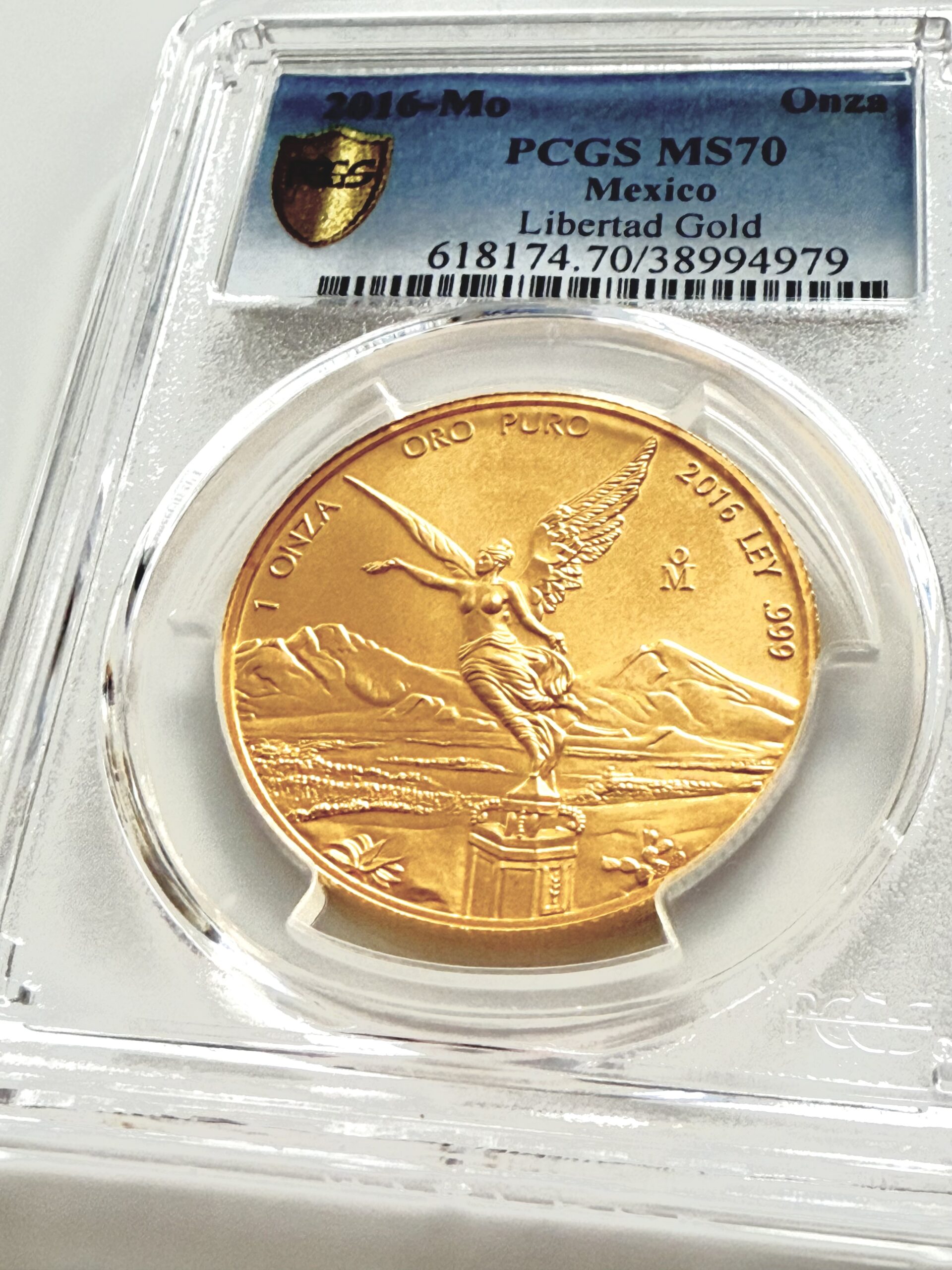
Mexiko – 2016 – Libertad – 1 Onza – Gold – Stempelglanz – PCGS MS70
4.700,00 €
Enthält 0% Mwst. befreit gem. §25c UStG
plus Versand
Jetzt entdecken -
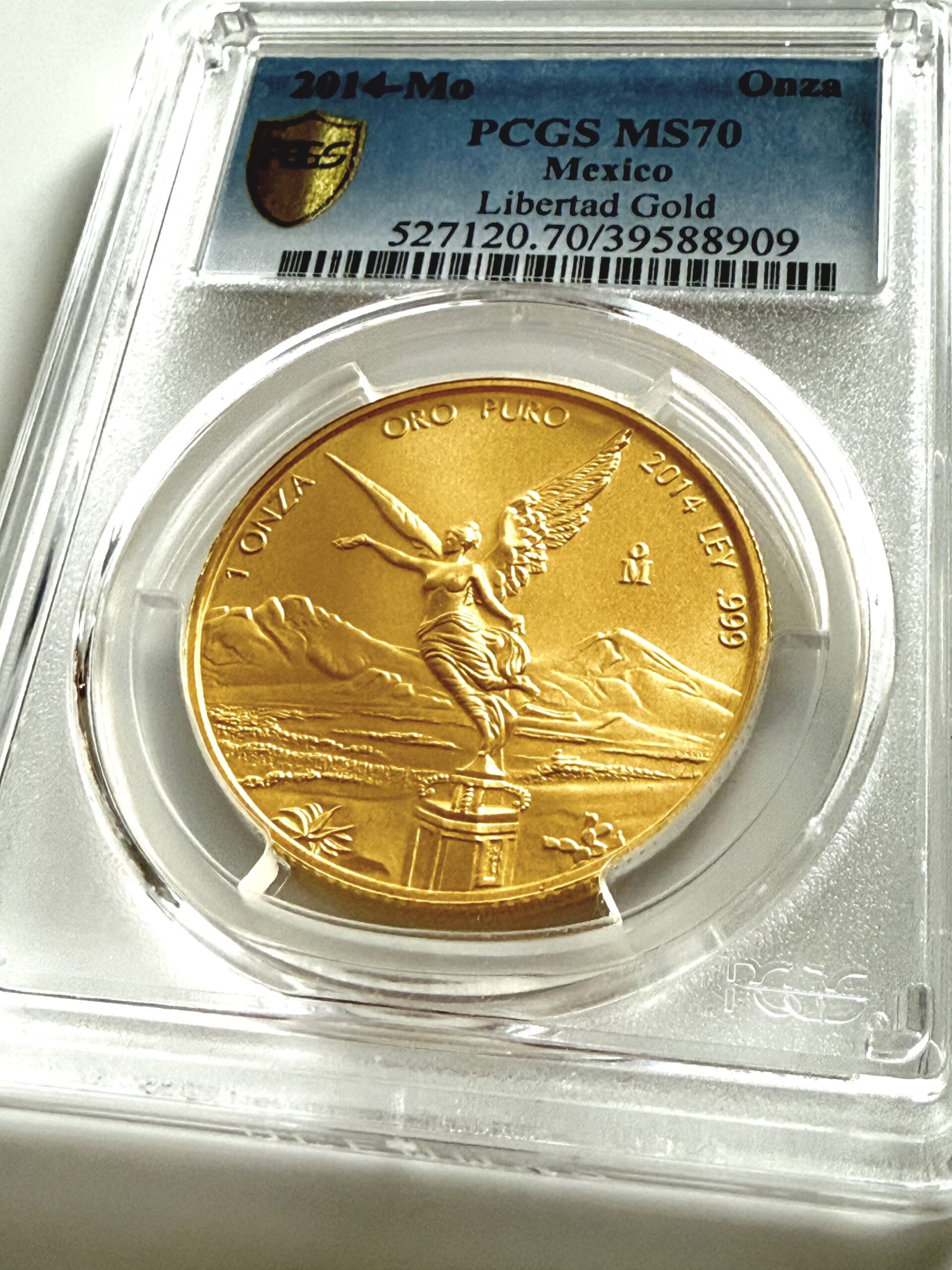
Mexiko – 2014 – Libertad – 1 Onza – Gold – Stempelglanz – PCGS MS70
4.800,00 €
Enthält 0% Mwst. befreit gem. §25c UStG
plus Versand
Jetzt entdecken -
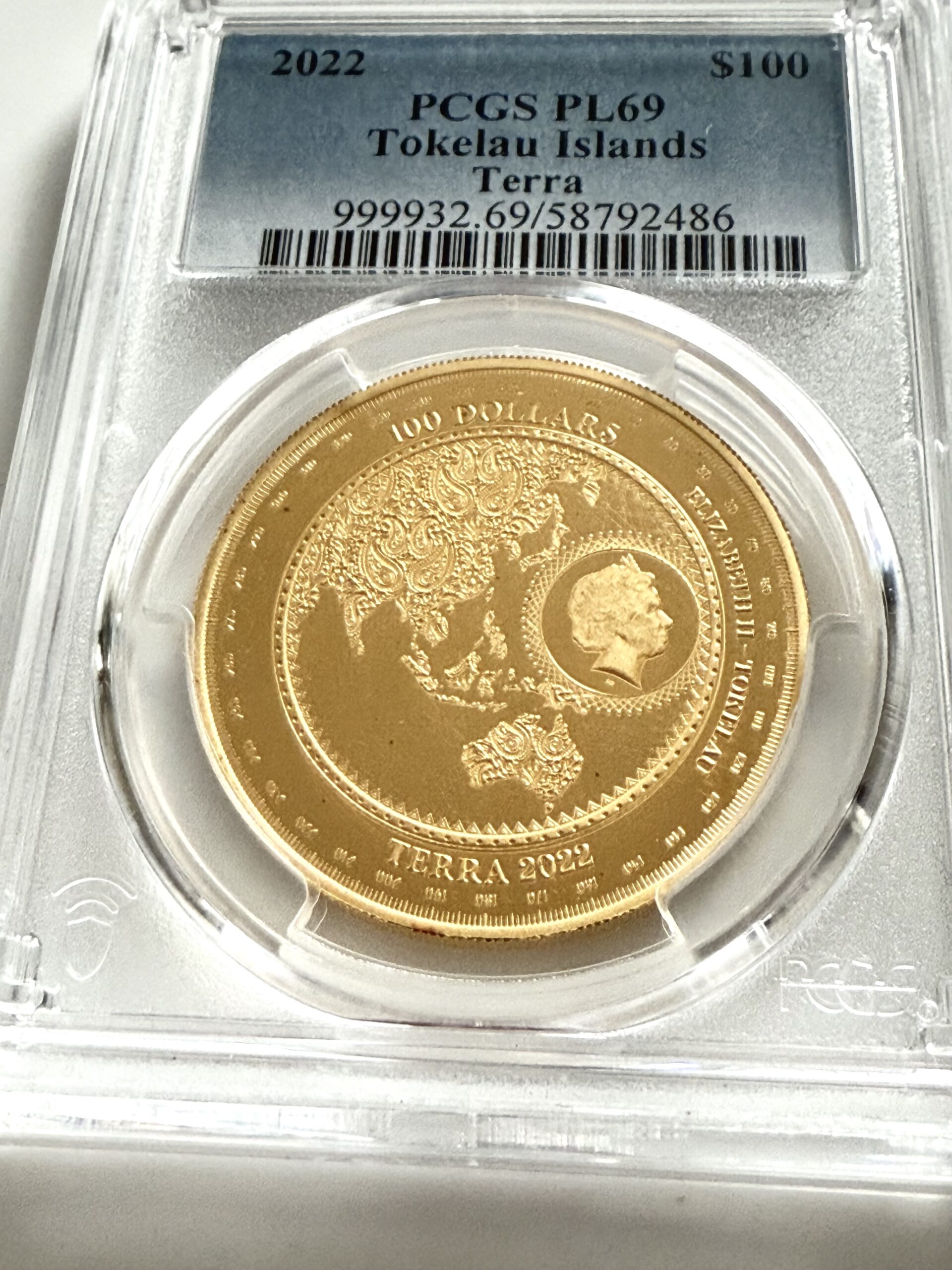
Tokelau – 2022 – 100 Dollar – Terra – 1 oz Gold – Prooflike – PCGS PL69 – Top Pop
4.500,00 €
Enthält 0% Mwst. befreit gem. §25c UStG
plus Versand
Jetzt entdecken -
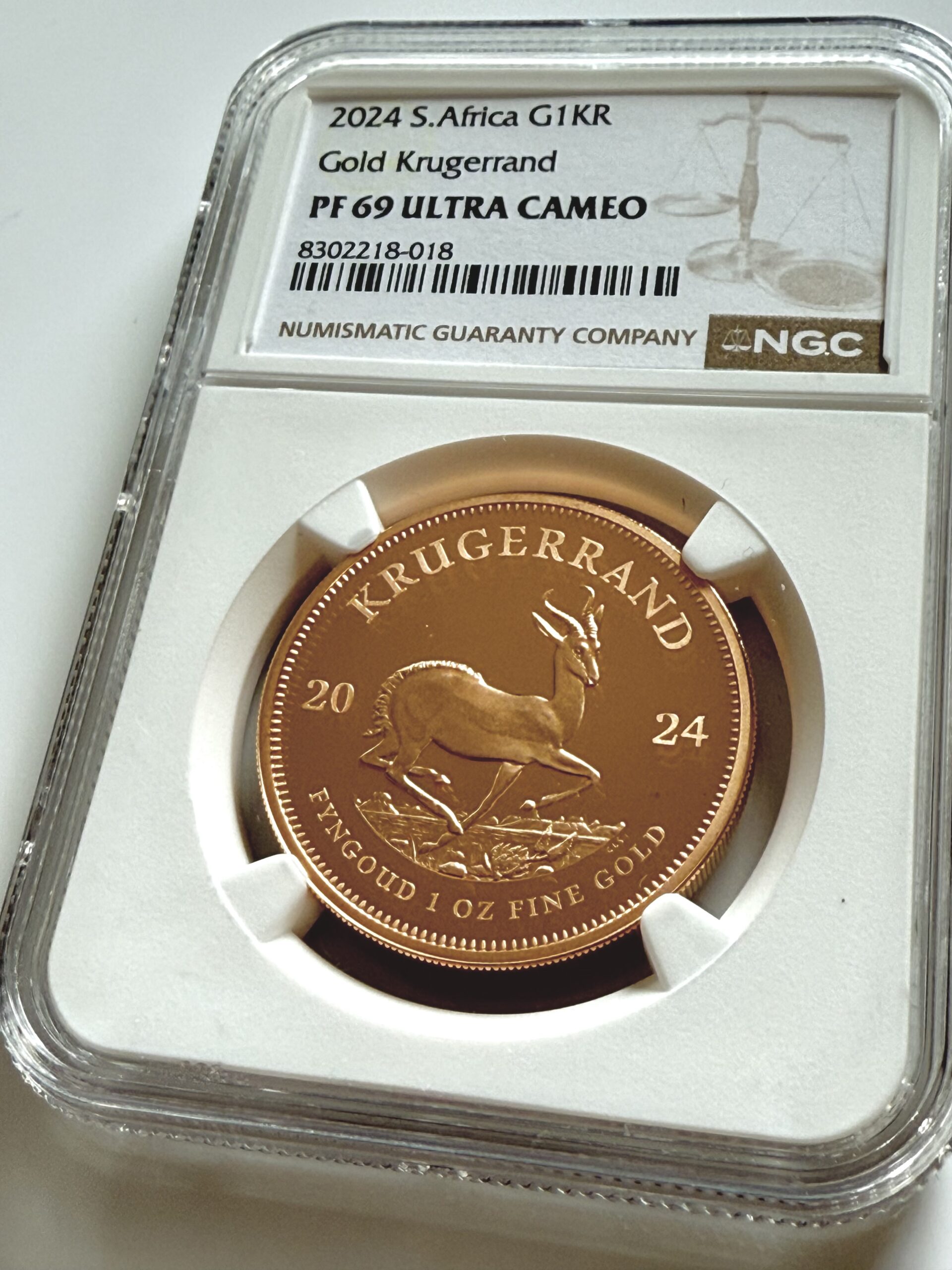
Südafrika – Krügerrand – 2024 – 1 oz Gold – Proof – NGC PF69UCAM
4.750,00 €
Enthält 0% Mwst. befreit gem. §25c UStG
plus Versand
Jetzt entdecken -
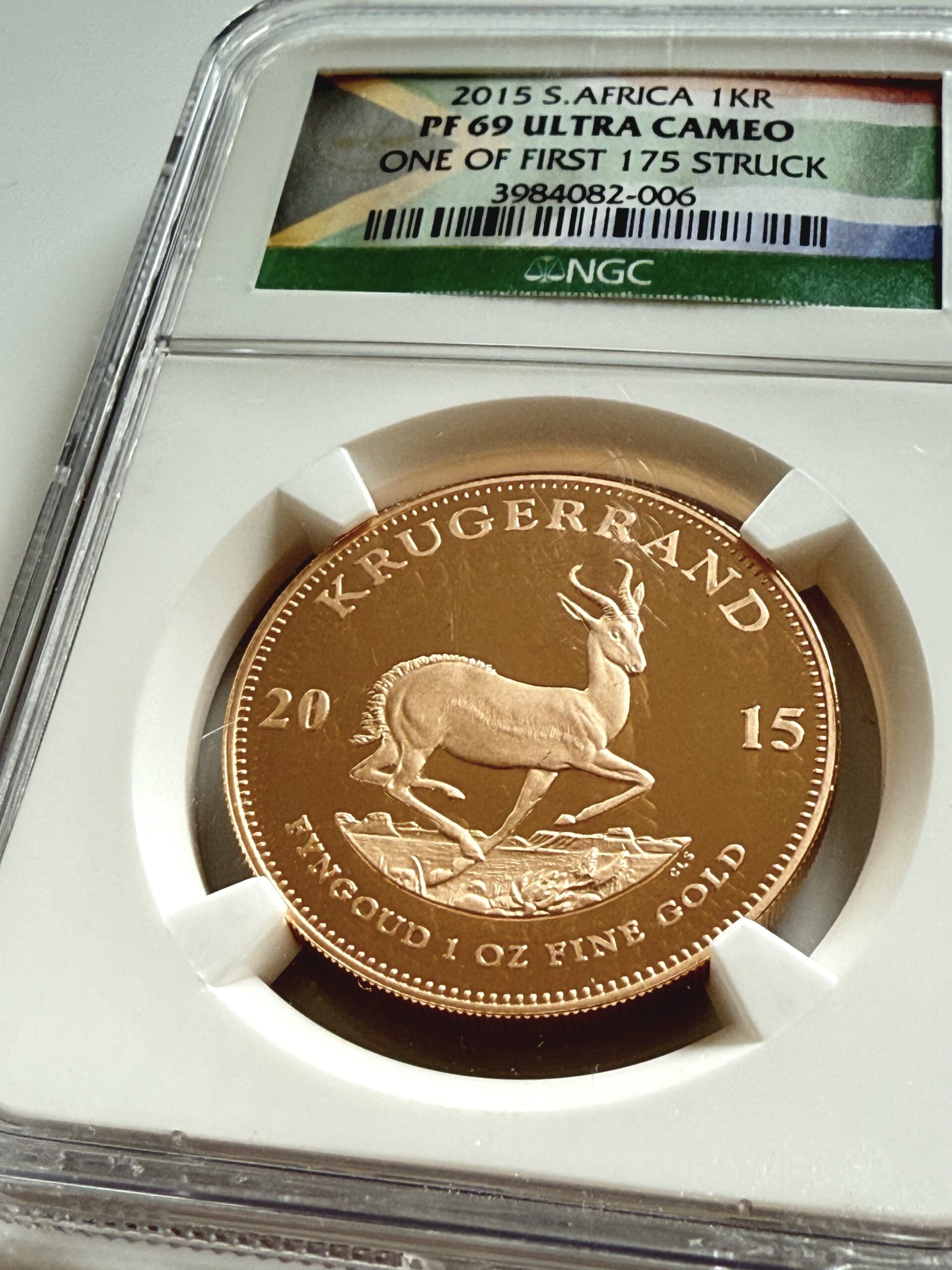
Südafrika – Krügerrand – 2015 – One of First 175 Struck – 1 oz Gold – Proof – NGC PF69UCAM
4.600,00 €
Enthält 0% Mwst. befreit gem. §25c UStG
plus Versand
Jetzt entdecken -
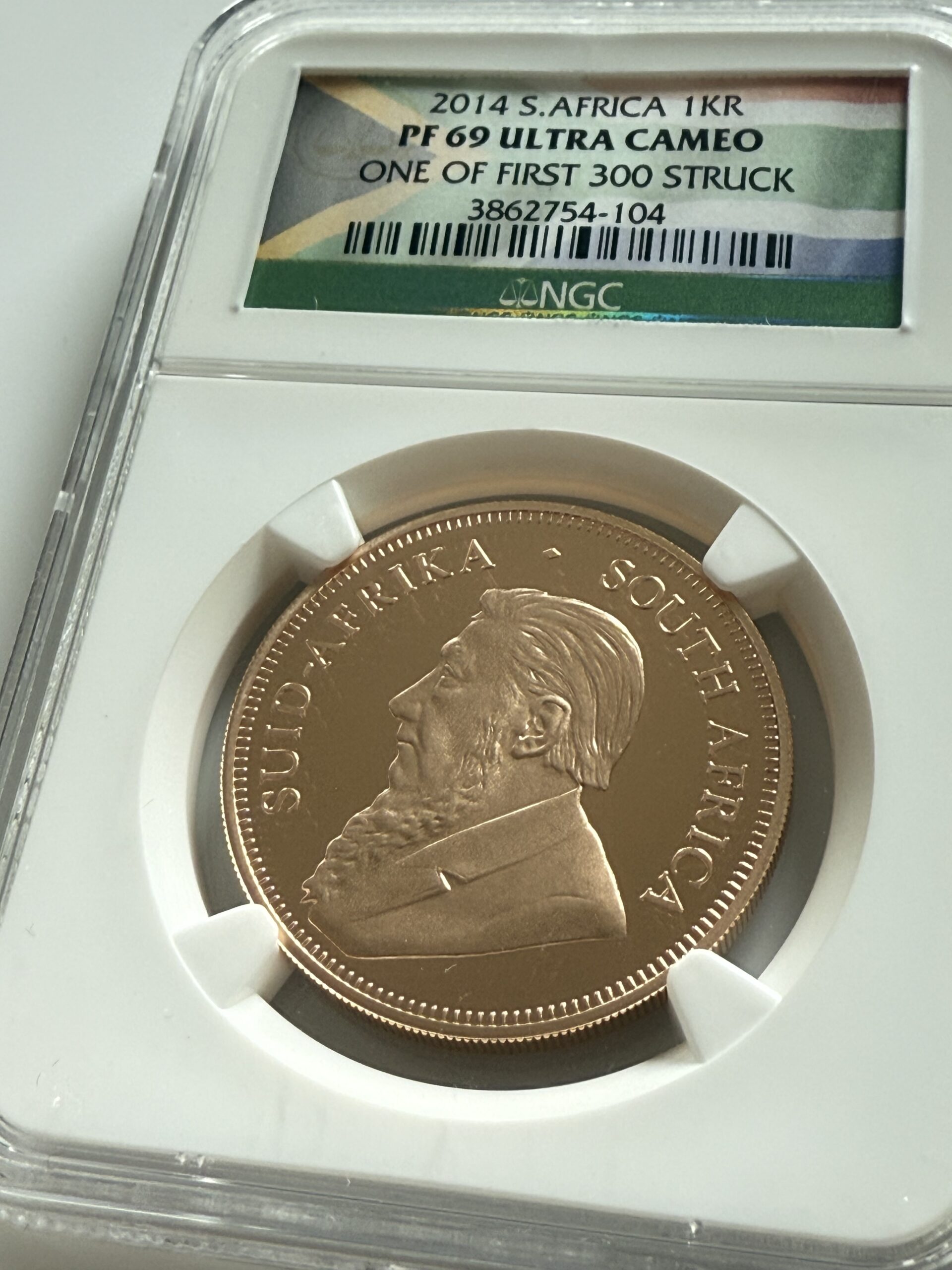
Südafrika – Krügerrand – 2014 – One of First 300 Struck – 1 oz Gold – Proof – NGC PF69UCAM
4.600,00 €
Enthält 0% Mwst. befreit gem. §25c UStG
plus Versand
Jetzt entdecken -
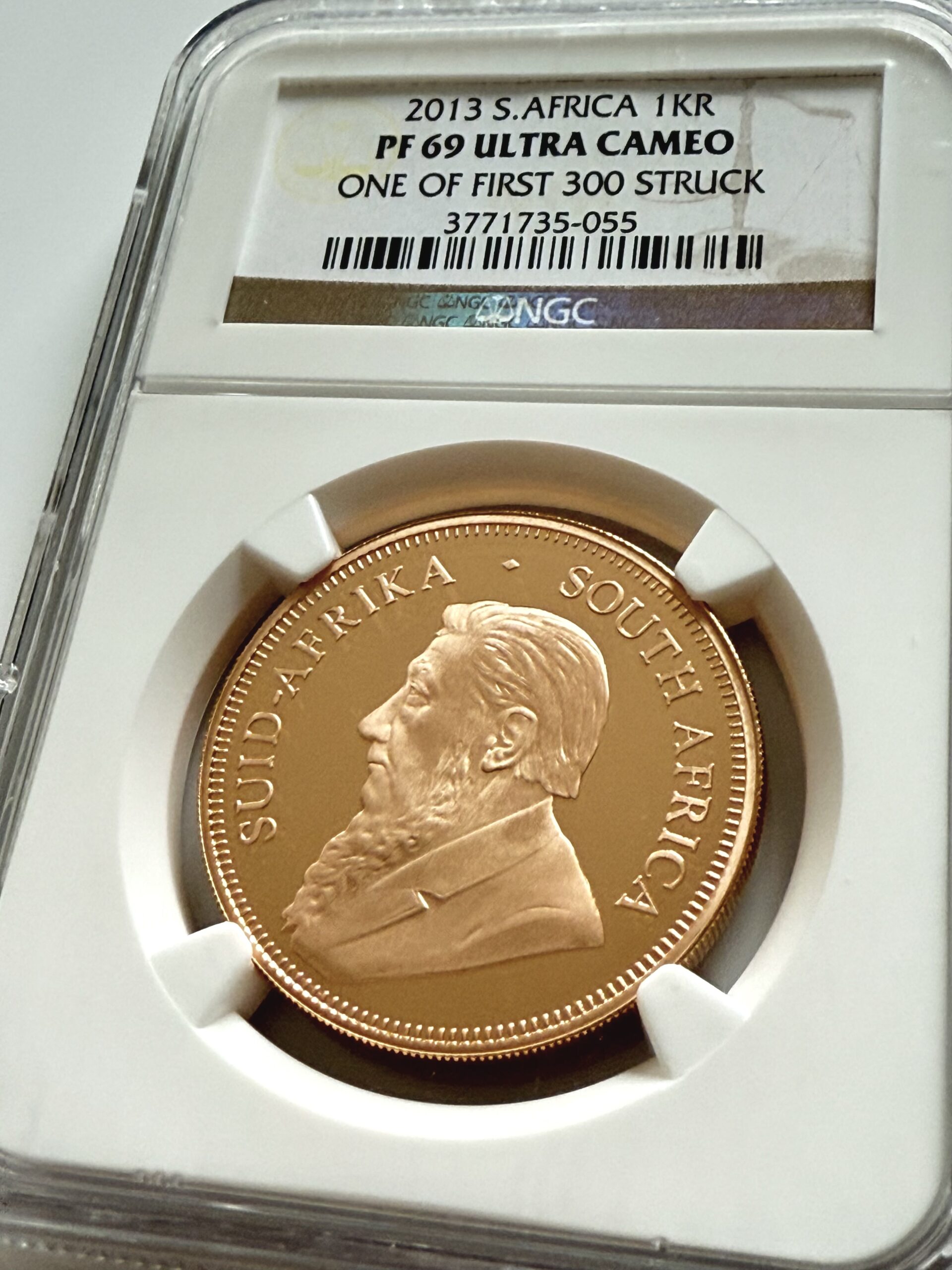
Südafrika – Krügerrand – 2013 – One of First 300 Struck – 1 oz Gold – Proof – NGC PF69UCAM
4.600,00 €
Enthält 0% Mwst. befreit gem. §25c UStG
plus Versand
Jetzt entdecken -
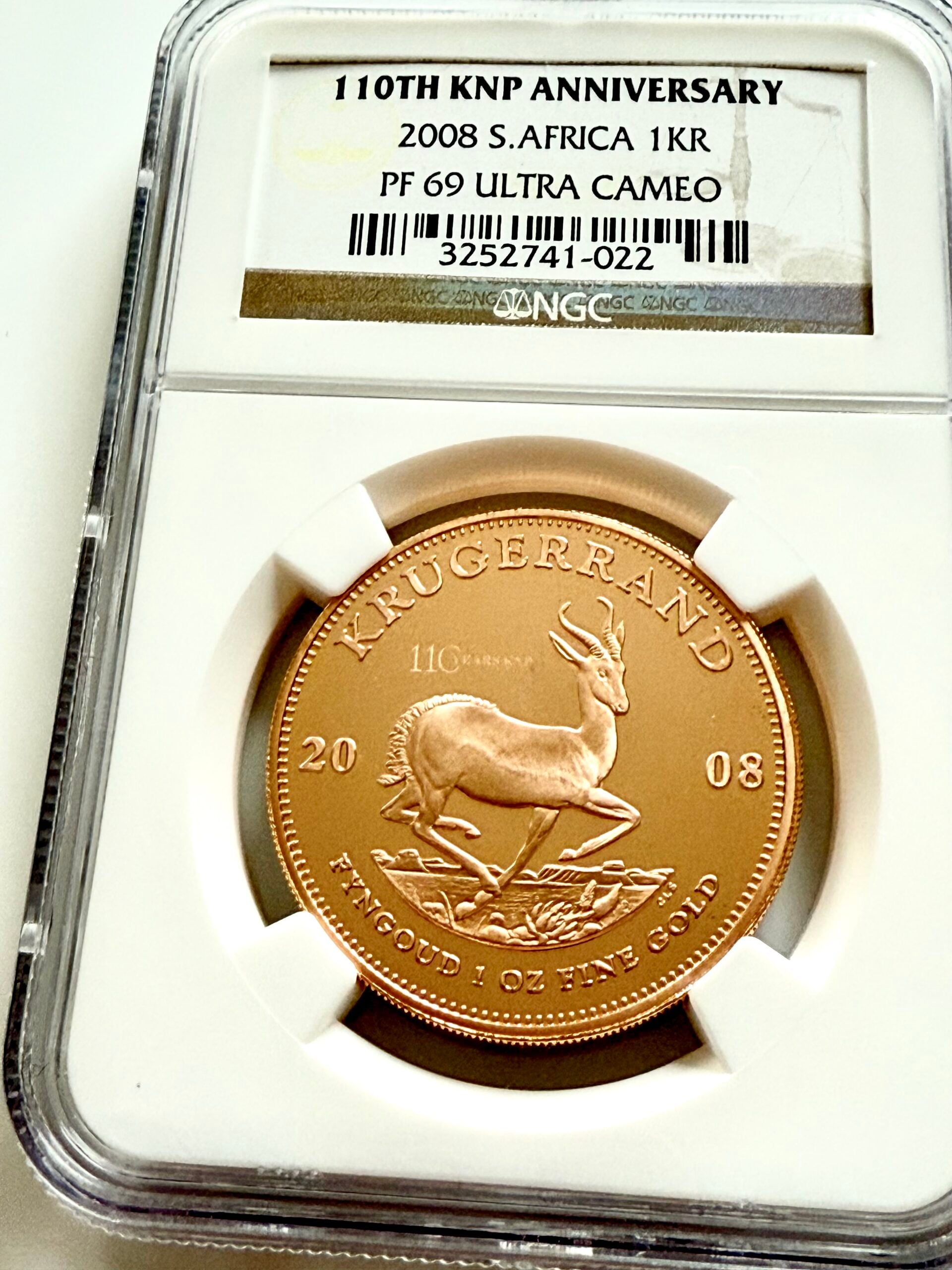
Südafrika – Krügerrand – 2008 – 110 Jahre Kruger Nationalpark KNP Privy Mark – 1 oz Gold – Proof – NGC PF69UCAM
0,00 €
Enthält 0% Mwst. befreit gem. §25c UStG
plus Versand
Jetzt entdecken -
Südafrika – 1967 – 1 oz Krügerrand – Gold – Prooflike – PCGS PL66
5.500,00 €
Enthält 0% Mwst. befreit gem. §25c UStG
plus Versand
Jetzt entdecken -
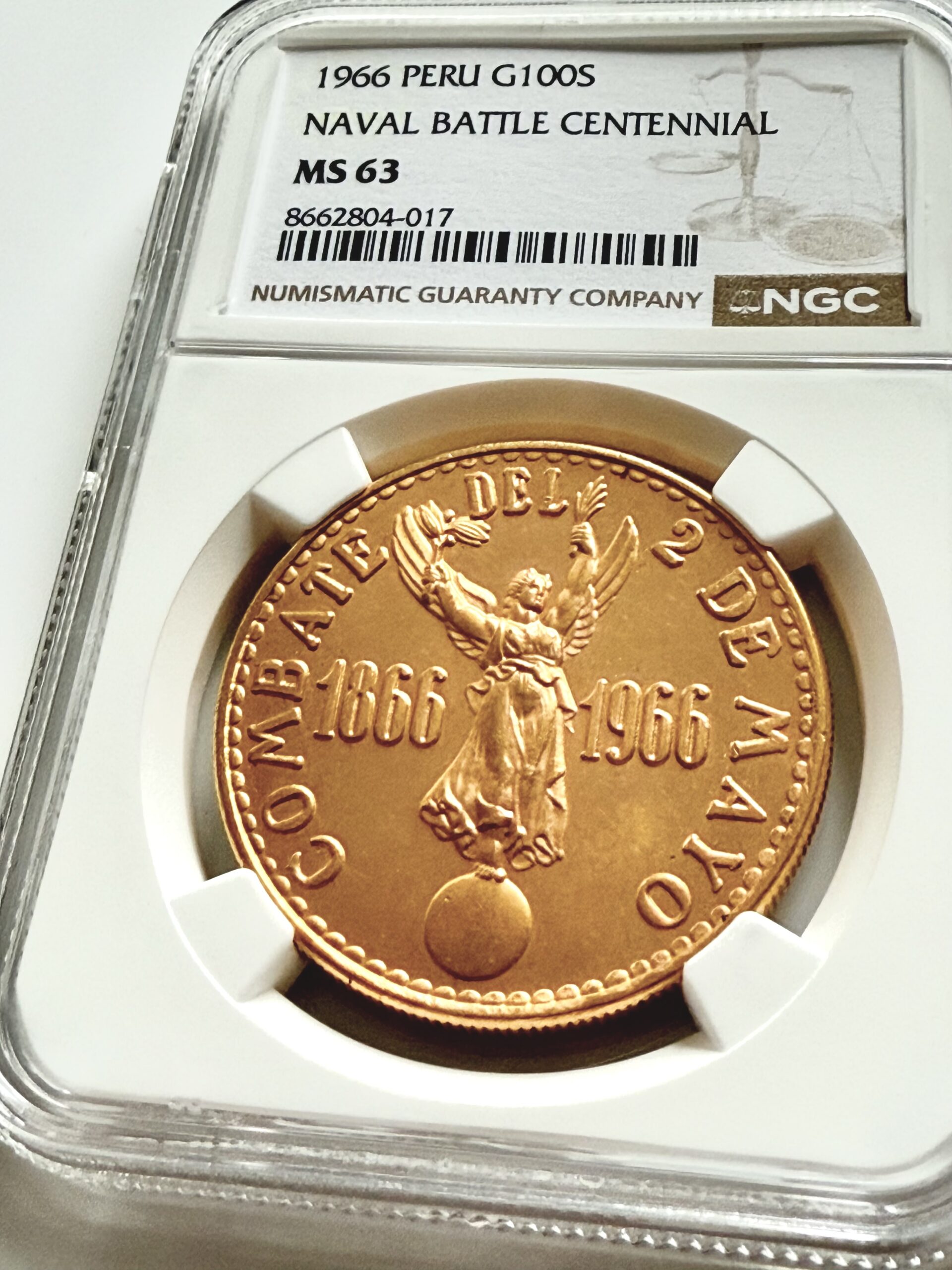
Peru – 1966 – 100 Soles – Naval Battle Centennial Combate del 2 de Mayo – Gold – NGC MS63
6.500,00 €
Enthält 0% Mwst. befreit gem. §25c UStG
plus Versand
Jetzt entdecken -
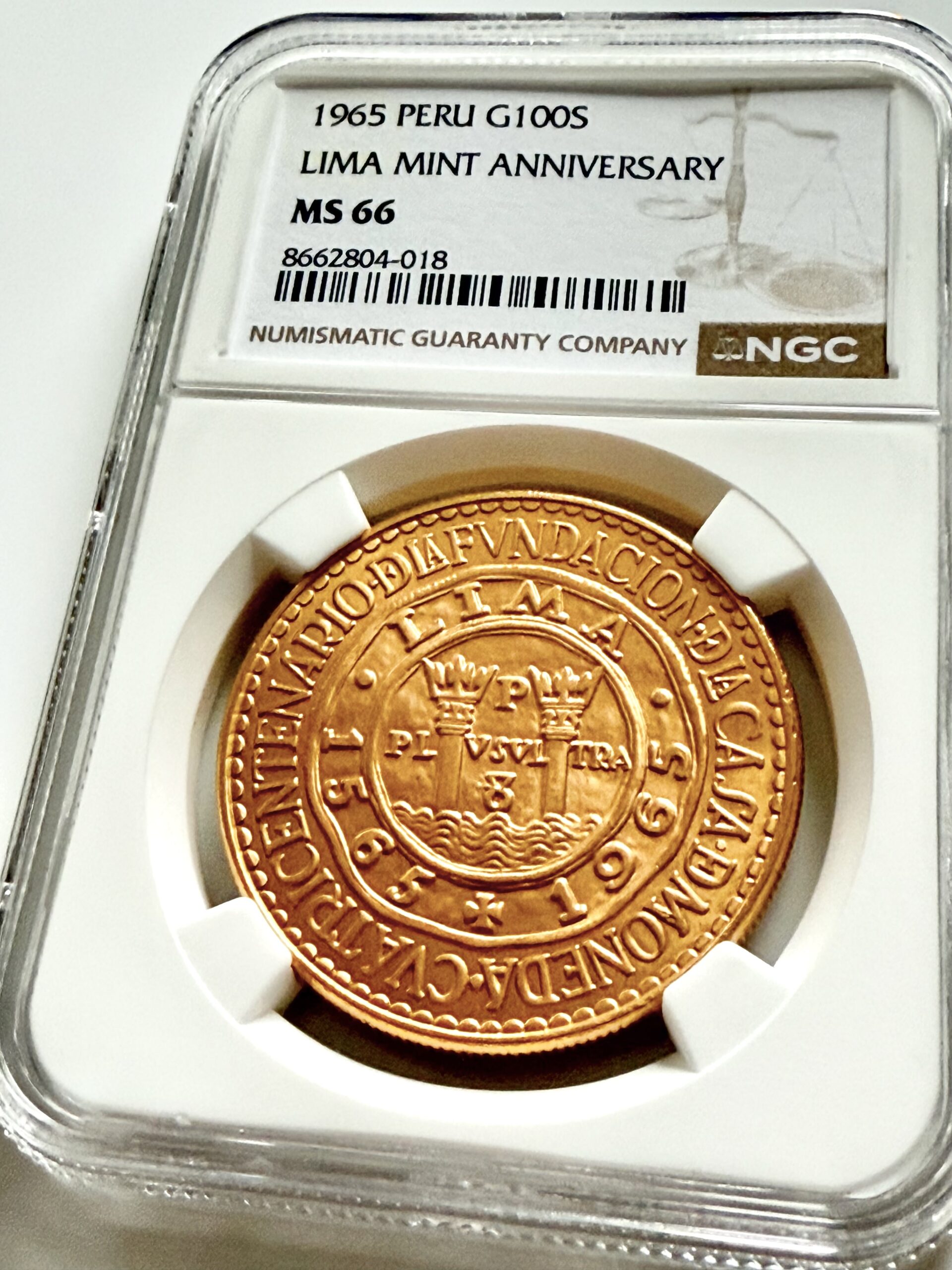
Peru – 1965 – 100 Soles – 400 Jahre Lima Mint – Gold – Stempelglanz – NGC MS66
0,00 €
Enthält 0% Mwst. befreit gem. §25c UStG
plus Versand
Jetzt entdecken -
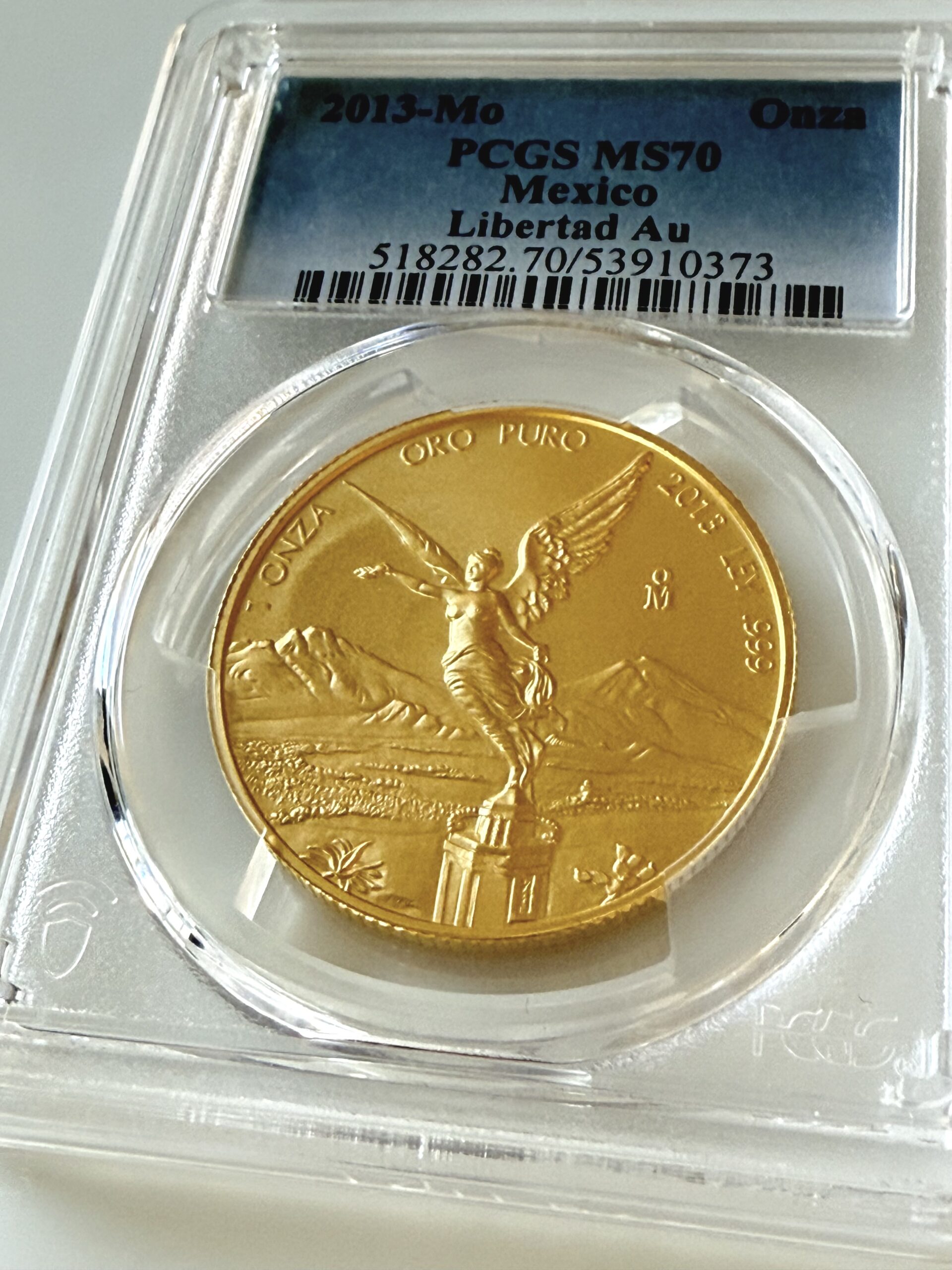
Mexiko – 2013 – 1 Onza – Libertad – Gold – Stempelglanz – PCGS MS70
4.900,00 €
Enthält 0% Mwst. befreit gem. §25c UStG
plus Versand
Jetzt entdecken -
Mexiko – 2010 – 1 Onza – Libertad – Gold – Stempelglanz – PCGS MS69
4.850,00 €
Enthält 0% Mwst. befreit gem. §25c UStG
plus Versand
Jetzt entdecken -
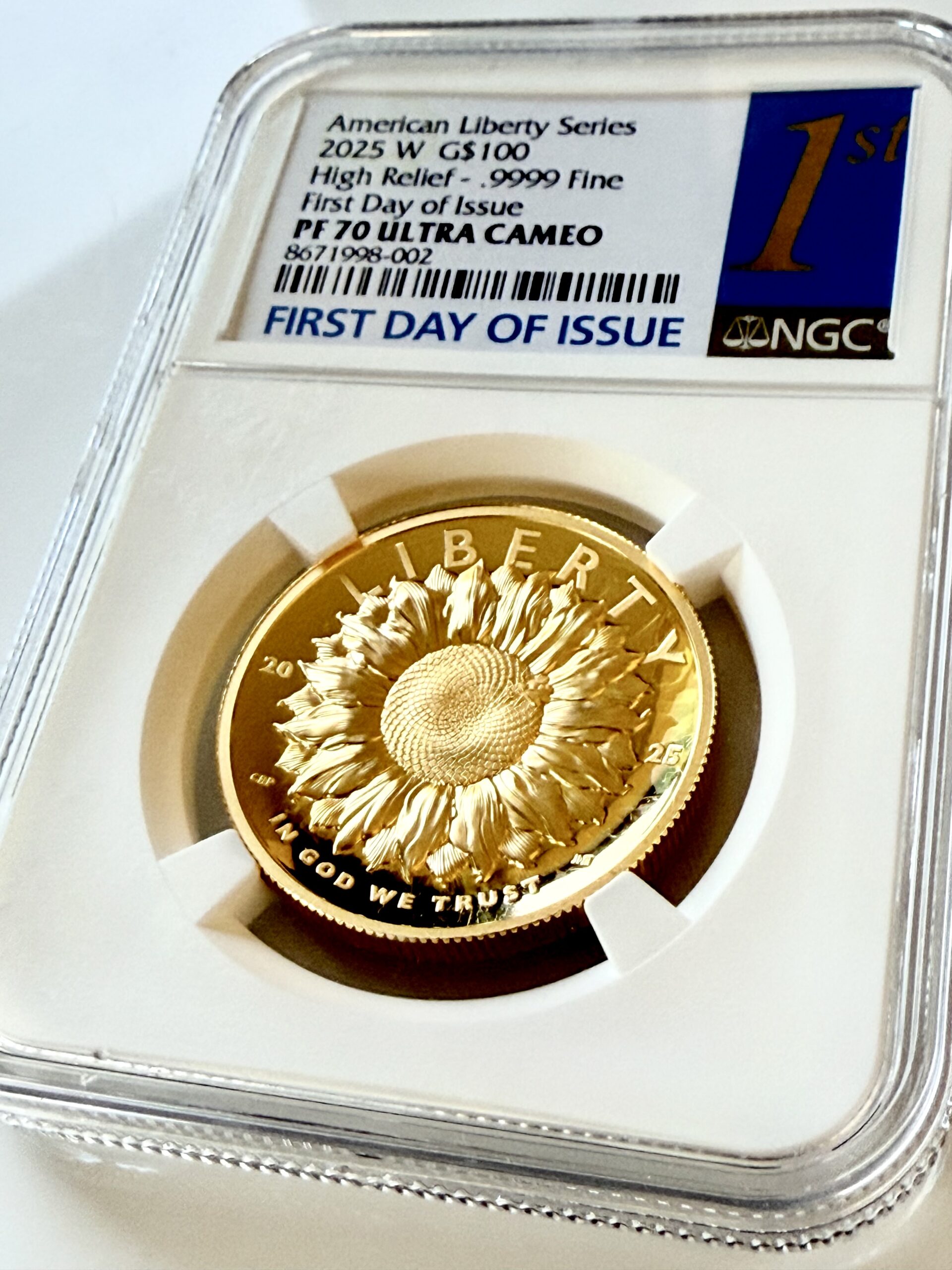
USA – 2025 – 100 Dollar – American Liberty – High Relief – Gold – Proof – NGC PF70 UCAM – First Day of Issue
0,00 €
Enthält 0% Mwst. befreit gem. §25c UStG
plus Versand
Jetzt entdecken -
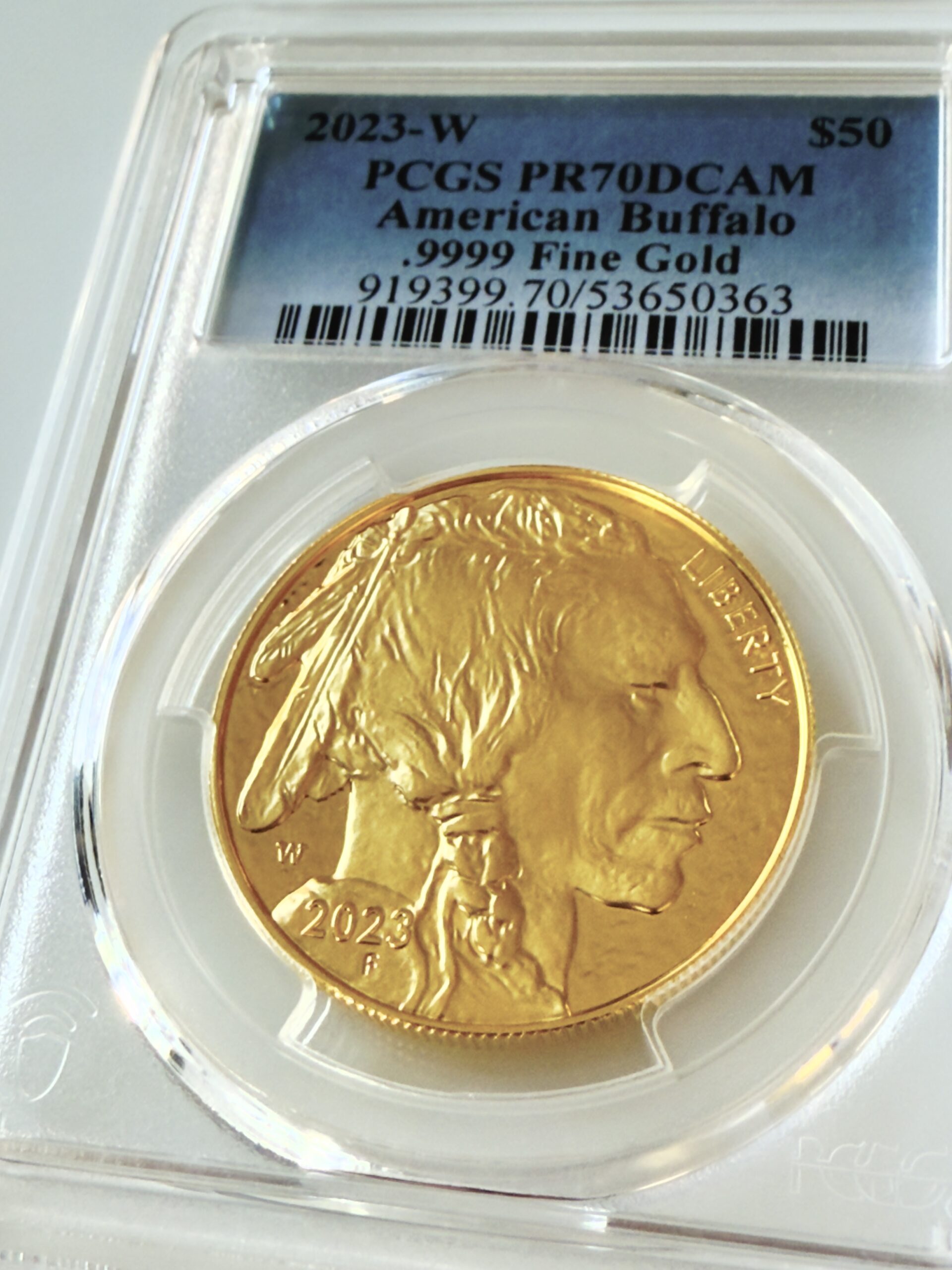
USA – 2023 – 50 Dollar – American Buffalo – Gold – Proof – PCGS PR70 DCAM
4.700,00 €
Enthält 0% Mwst. befreit gem. §25c UStG
plus Versand
Jetzt entdecken -
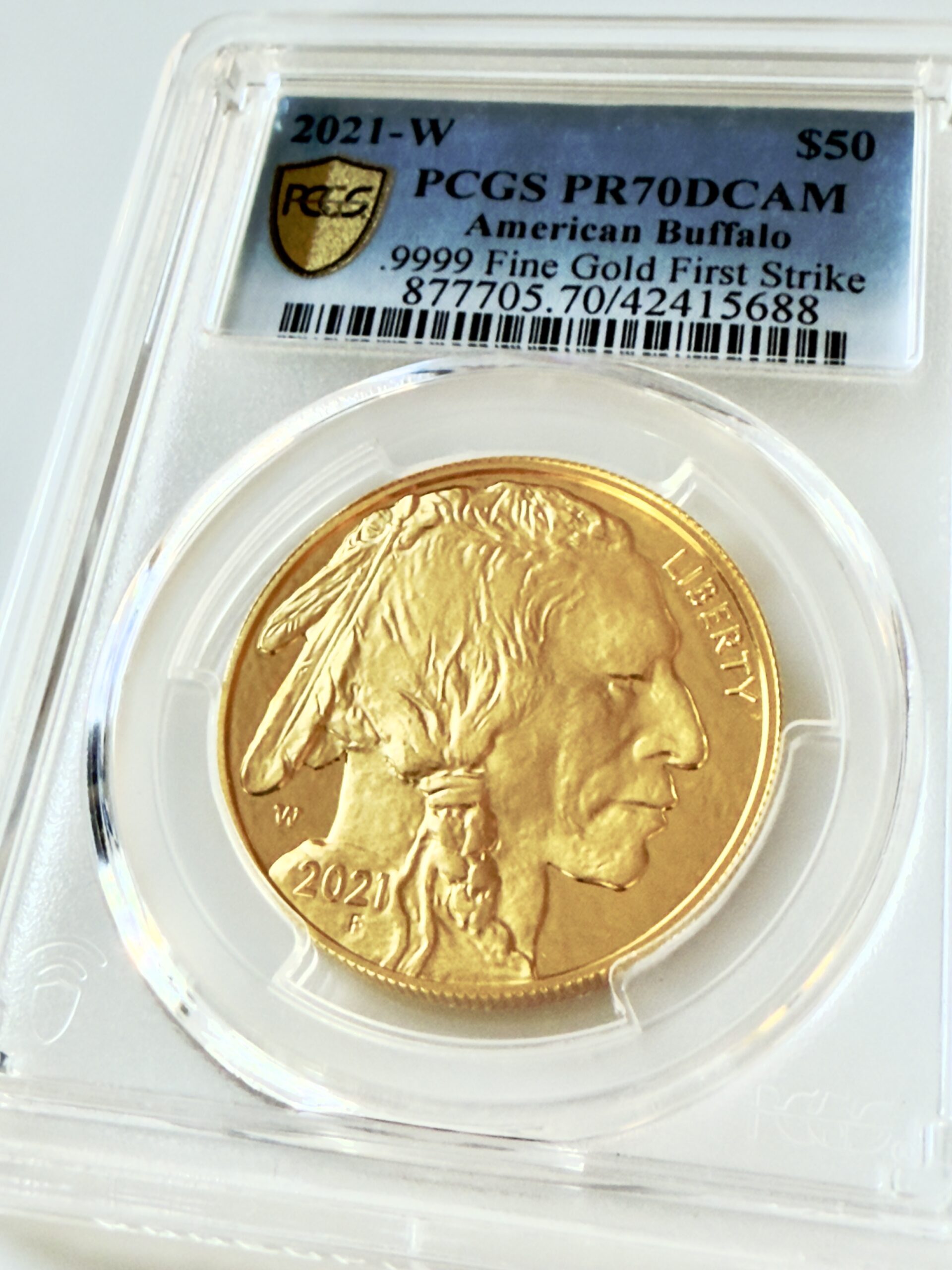
USA – 2021 – 50 Dollar – American Buffalo – Gold – Proof First Strike – PCGS PR70 DCAM
4.500,00 €
Enthält 0% Mwst. befreit gem. §25c UStG
plus Versand
Jetzt entdecken -
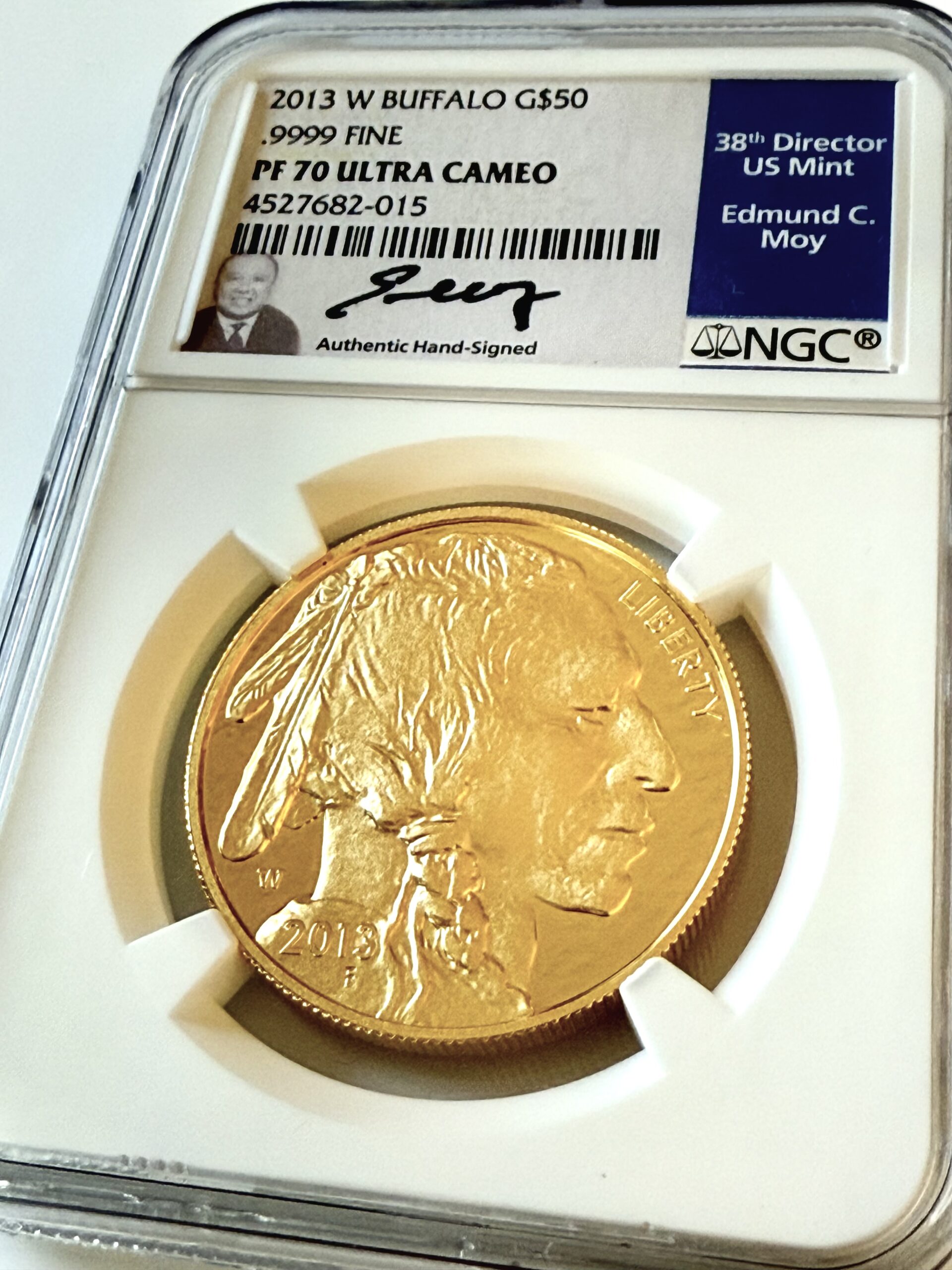
USA – 2013 – 50 Dollar – American Buffalo – Gold – Proof – NGC PF70 UCAM – Moy Signed Label
4.650,00 €
Enthält 0% Mwst. befreit gem. §25c UStG
plus Versand
Jetzt entdecken -
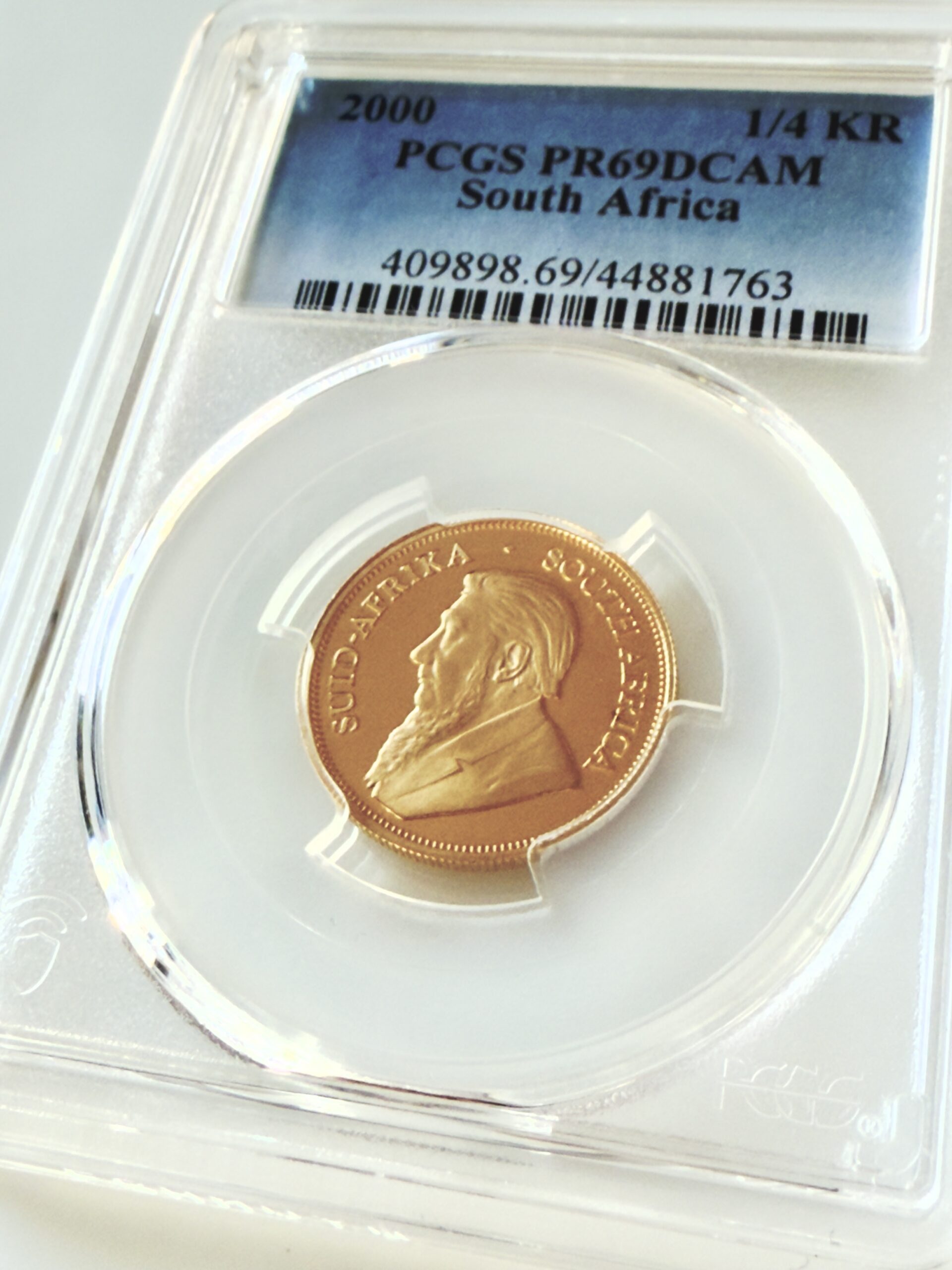
Südafrika – 2000 – 1/4 Krügerrand – Gold – Proof – PCGS PR69DCAM
1.300,00 €
Enthält 0% Mwst. befreit gem. §25c UStG
plus Versand
Jetzt entdecken -
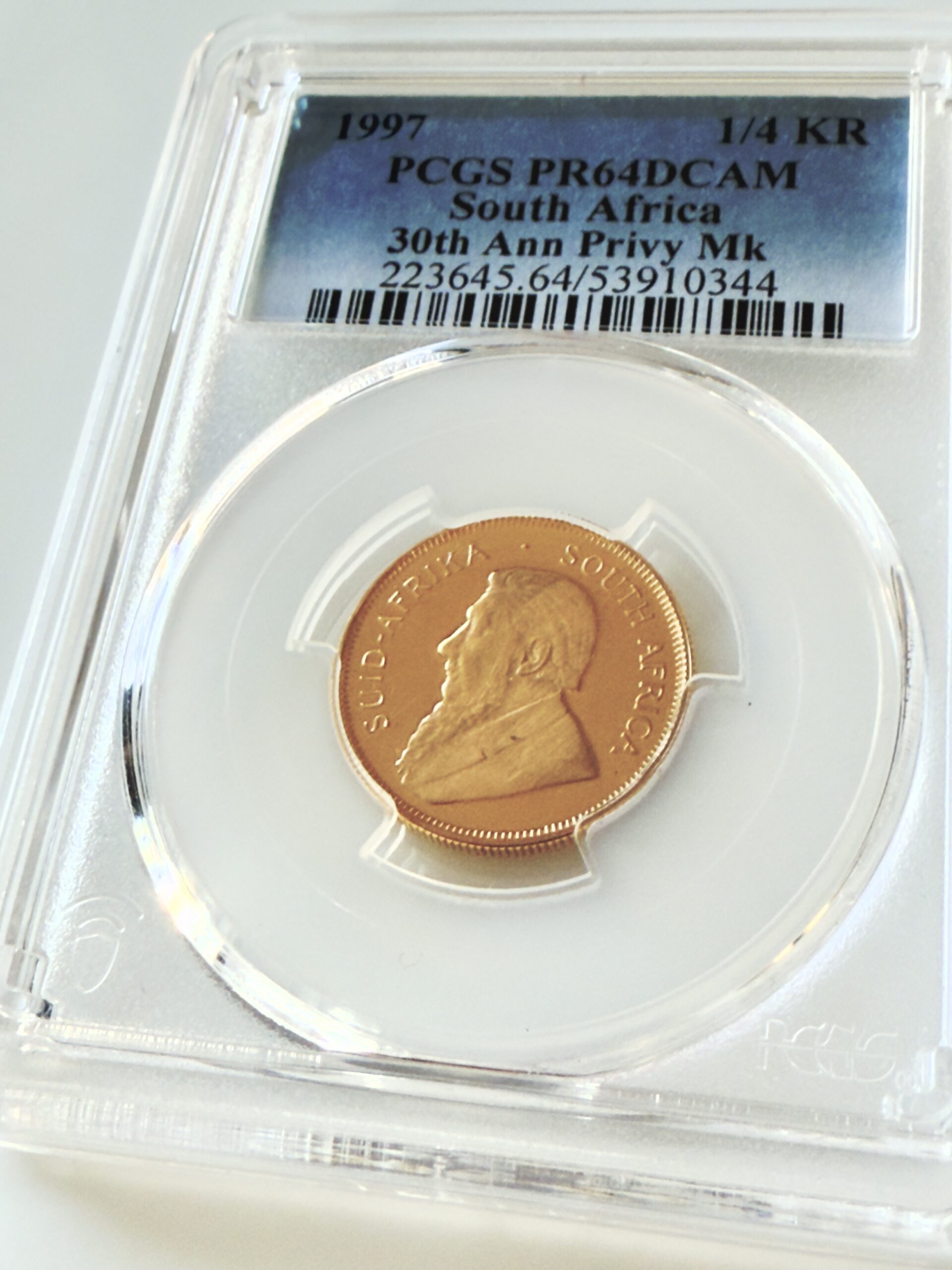
Südafrika – 1997 – 1/4 Krügerrand – 30 Jahre Mintmark – Gold – Proof – PCGS PR64DCAM
1.400,00 €
Enthält 0% Mwst. befreit gem. §25c UStG
plus Versand
Jetzt entdecken -
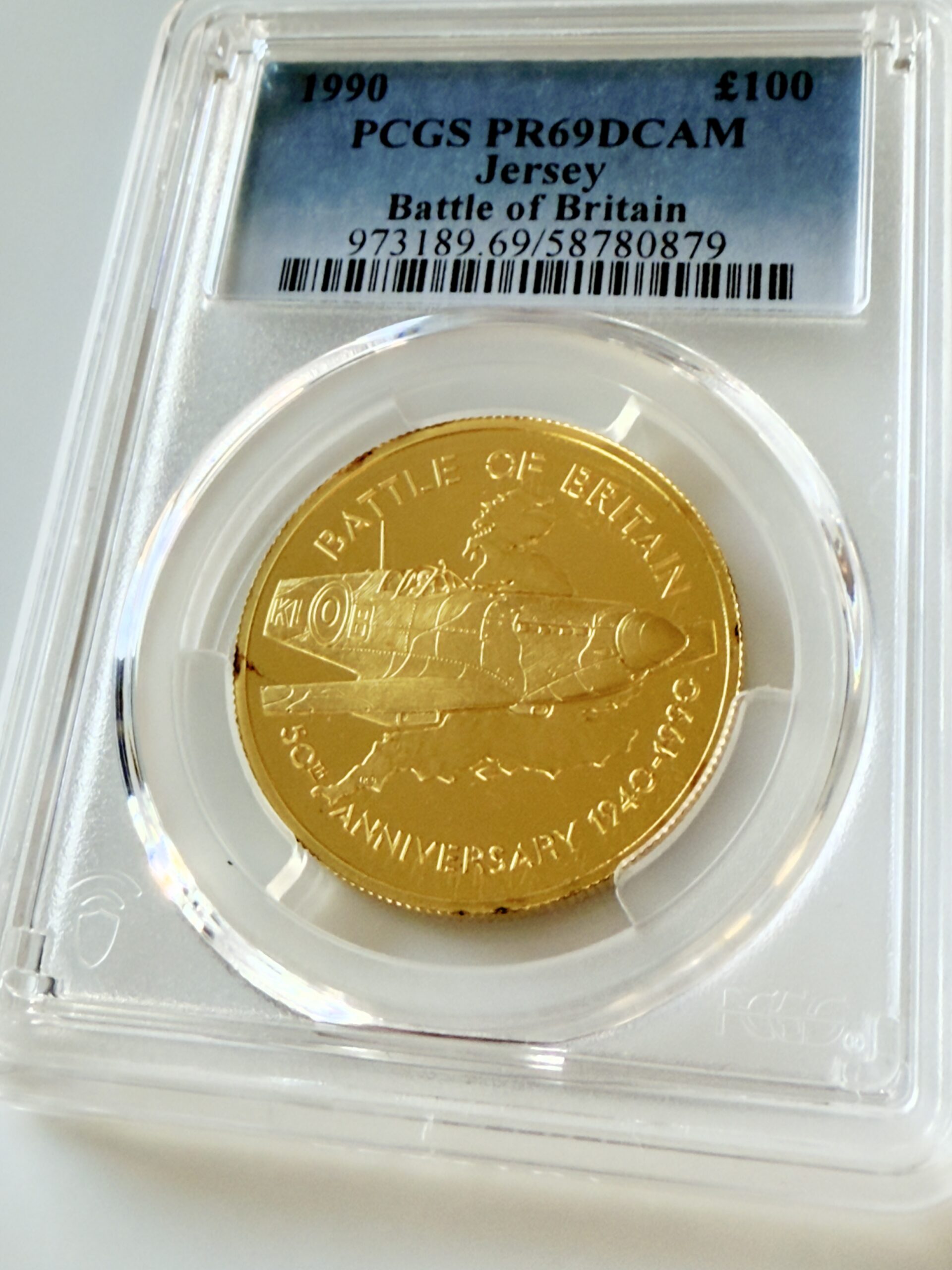
Jersey – 1990 – 100 Pounds – The Battle of Britain 50th Anniversary – 1oz Gold – Proof – PCGS PR69 DCAM
0,00 €
Enthält 0% Mwst. befreit gem. §25c UStG
plus Versand
Jetzt entdecken -
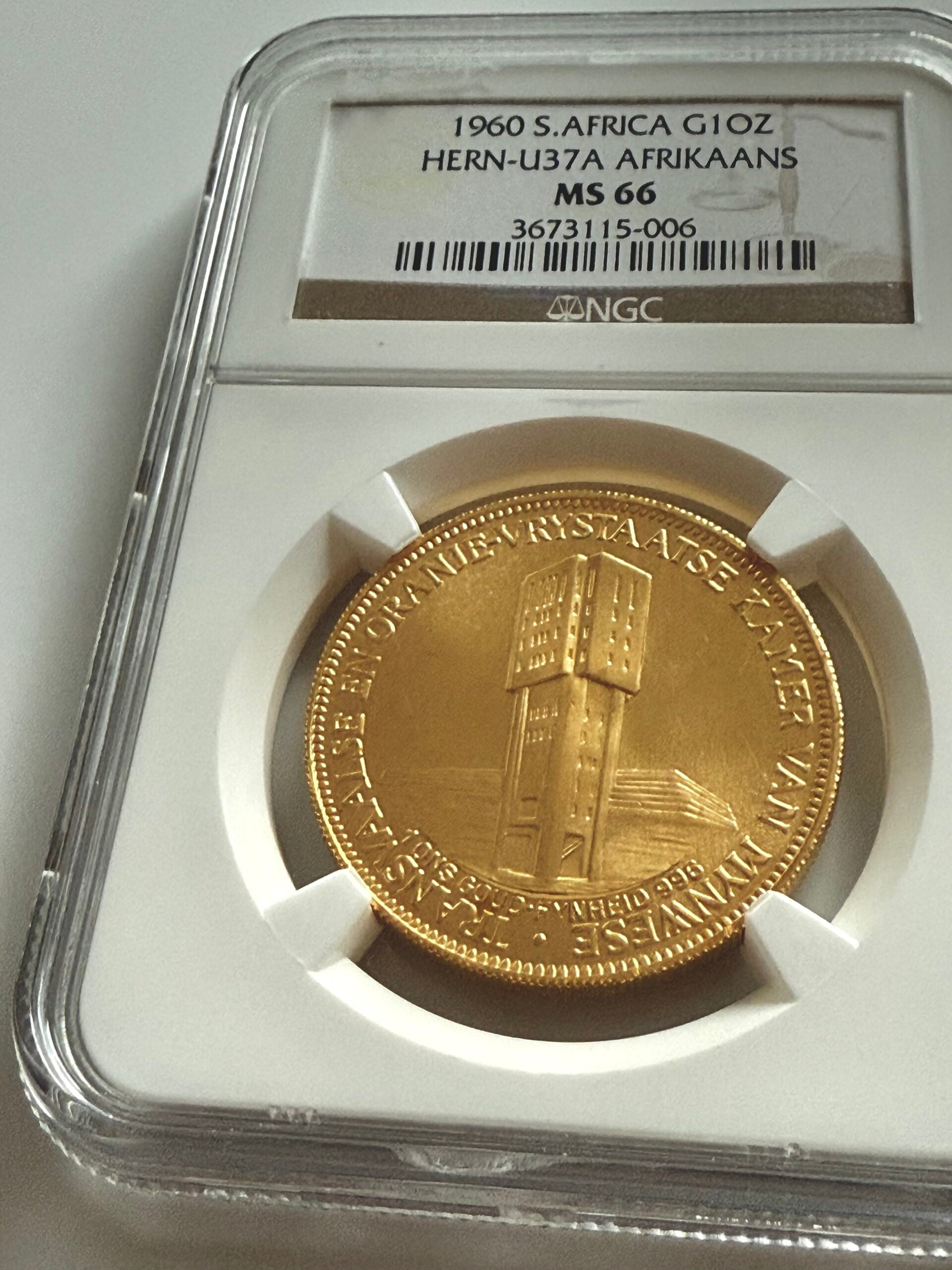
Südafrika – 1960 – Chamber of Mines – Goldenes Jubiläum – Afrikaans Ausgabe – Gold – 1 oz – NGC MS66
0,00 €
Enthält 0% Mwst. befreit gem. §25c UStG
plus Versand
Jetzt entdecken -
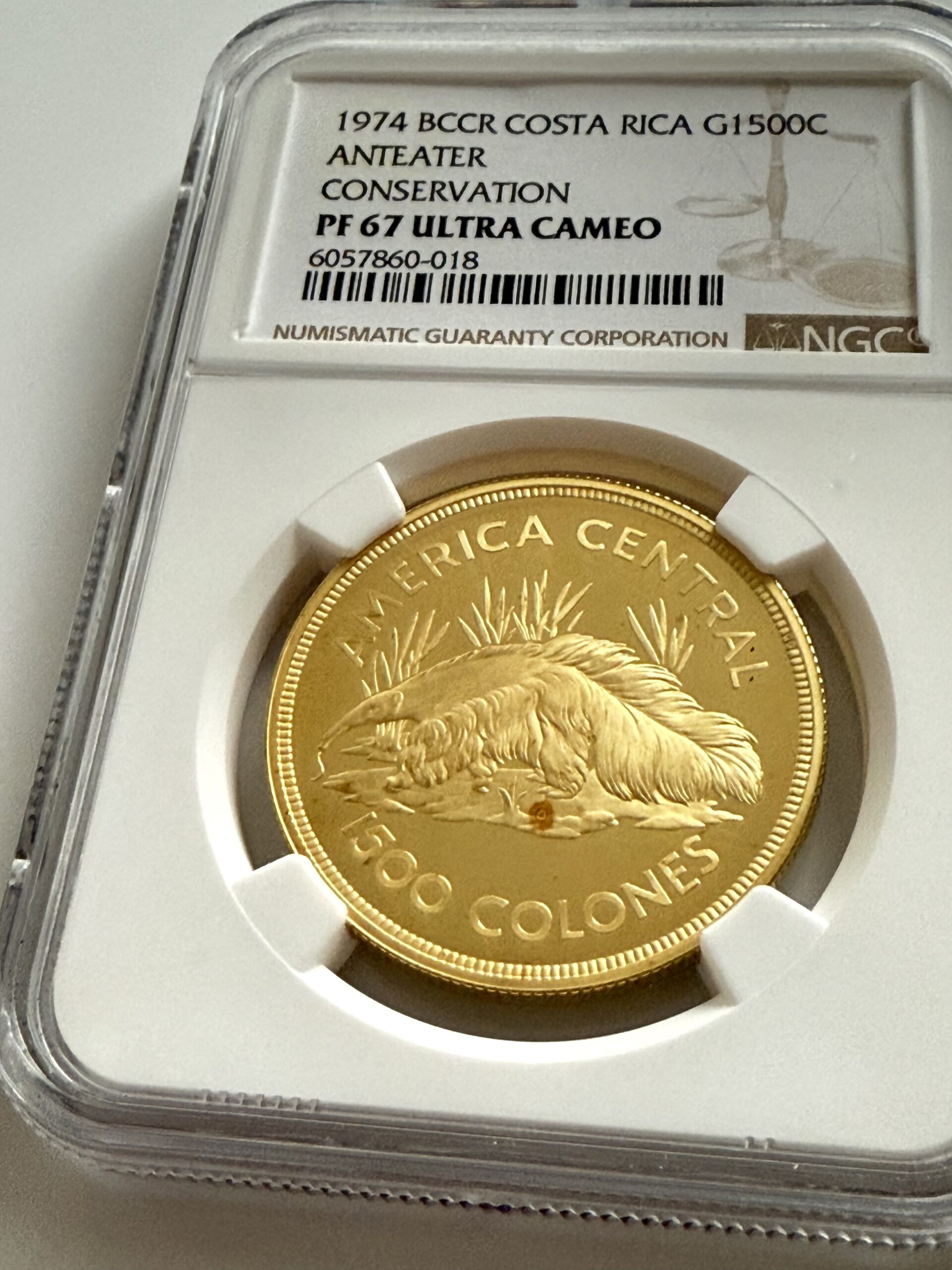
Costa Rica – 1974 – 1500 Colones – Ameisenbär – Conservation Serie – Gold – Proof – NGC PF67 Ultra Cameo
5.500,00 €
Enthält 0% Mwst. befreit gem. §25c UStG
plus Versand
Jetzt entdecken -
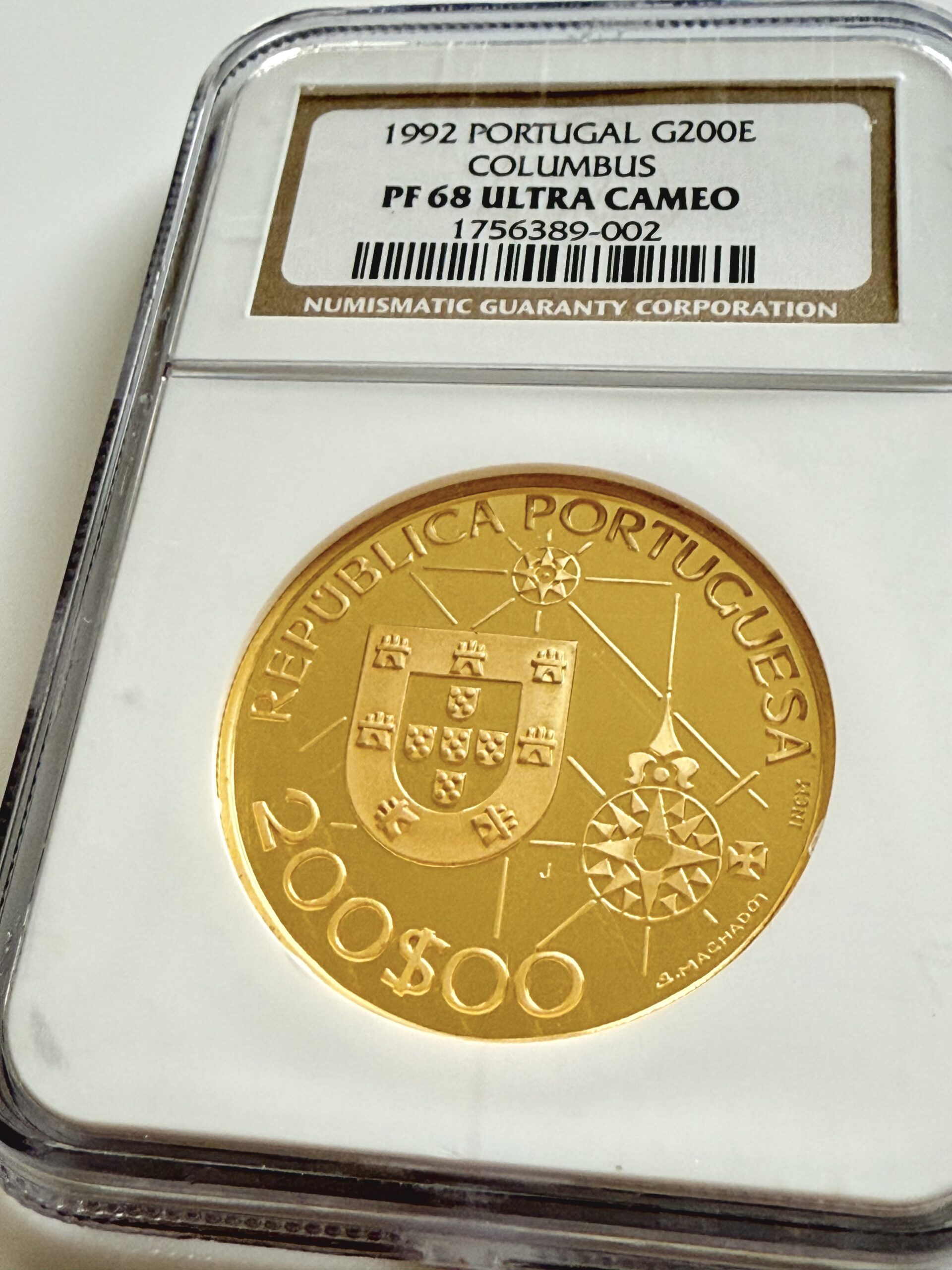
Portugal – 1992 – 200 Escudos – Christoph Kolumbus – Neue Welt – Gold – Proof – NGC PF68 Ultra Cameo
3.750,00 €
Enthält 0% Mwst. befreit gem. §25c UStG
plus Versand
Jetzt entdecken