
Proof coins or bullion coins – which gold coins are better suited as an investment?
Anyone who wants to invest in gold coins will sooner or later face a key question: Proof coins or bullion coins – which form is the better investment?
Both coin types pursue different objectives, appeal to different buyer groups, and react differently to market movements. Therefore, a well-informed decision requires a clear understanding of the differences.
Bullion gold coins – focus on the pure gold value
Bullion gold coins are classic investment coins whose price is derived almost entirely from weight, fineness and the current gold spot price . The premium over the pure gold value is usually low, which is why bullion coins are particularly attractive for price-conscious investors.
Typical features of bullion coins:
-
Evaluation based almost exclusively on fine gold content
-
High standards and worldwide acceptance
-
Very high liquidity and easy resale
-
Common denominations: 1 oz, 1/2 oz, 1/4 oz, 1/10 oz
-
Condition or surface quality is of little importance
Bullion coins are particularly suitable for investors who primarily want to use gold as a store of value or protection against inflation and do not focus on numismatic aspects.
Proof coins (polished plate) – a gold investment with a collector’s component
Proof coins, also known as polished plates (PP) , take a different approach. They are produced using specially polished dies and in several embossing steps, resulting in a mirrored background and matte reliefs. The production costs are significantly higher, as are the limits on the number of copies produced.
Characteristic features of proof gold coins:
-
Significantly lower print runs than bullion issues
-
High collector and presentation value
-
In addition to the gold value, a potential numismatic added value.
-
Frequently delivered with original box and certificate of authenticity (COA)
-
Condition and maintenance have a significant impact on market value.
Proof coins are primarily aimed at collectors and long-term investors who value not only the precious metal but also rarity, design, and market scarcity.
Grading as a distinguishing feature: NGC and PCGS
An important aspect of modern gold coins is certification by independent grading companies such as NGC or PCGS.
-
Proof coins are classified as PF (NGC) or PR (PCGS).
-
Bullion coins receive the MS (Mint State) rating.
A certified top grading (e.g. PF70 or MS70) can have a significant impact on the market value and international tradability, especially for proof coins.
Proof vs. Bullion using the Krugerrand as an example
The South African Krugerrand is a good example to illustrate the differences. Both variants contain the same 1 ounce of gold , but differ significantly in their target audience and market dynamics.
Proof Krugerrand
-
Elaborately minted collector’s coin
-
Higher purchase price due to minting quality and smaller print run
-
More sensitive to scratches or damage
-
Market value depends on condition, demand, and collector interest
Bullion Krugerrand
-
Classic investment coin
-
Price close to the gold spot
-
Very high liquidity
-
Minor signs of wear are of little relevance
For short-term liquidity, the bullion Krugerrand is usually at an advantage, while proof issues can benefit more from long-term collector demand.
Overview of International Standard Gold Coins
Some of the world’s most famous gold coins include:
-
American Gold Eagle
-
Canadian Maple Leaf
-
Chinese Panda
-
Australian Kangaroo
All of the coins mentioned exist both as bullion and, in some cases, as proof issues, thus covering different investment and collecting strategies.
Conclusion: Which gold coins are the better investment?
The question ” Proof or Bullion? “ cannot be answered in general terms. Your personal goals are crucial:
-
Bullion coins are particularly suitable for investors who focus on gold price, liquidity and cost efficiency.
-
Proof coins offer additional value potential through rarity, collector market and certification, but are less liquid in the short term.
In practice, a combination of both coin types can also be useful: bullion for hedging and proof issues as a targeted addition with long-term collector potential.
Regardless of the choice, the following applies: Gold coins are subject to market fluctuations, and a well-informed selection as well as purchase through a reputable specialist dealer are crucial for sustainable investment success.
Discover the new additions to our gold coin collection in the current range!
-

Sambia – 1979 – 250 Kwacha – African Wild Dog – Conservation Series – Gold – Proof – NGC PF69 Ultra Cameo – Top Pop
5.600,00 €
plus Versand
Jetzt entdecken -
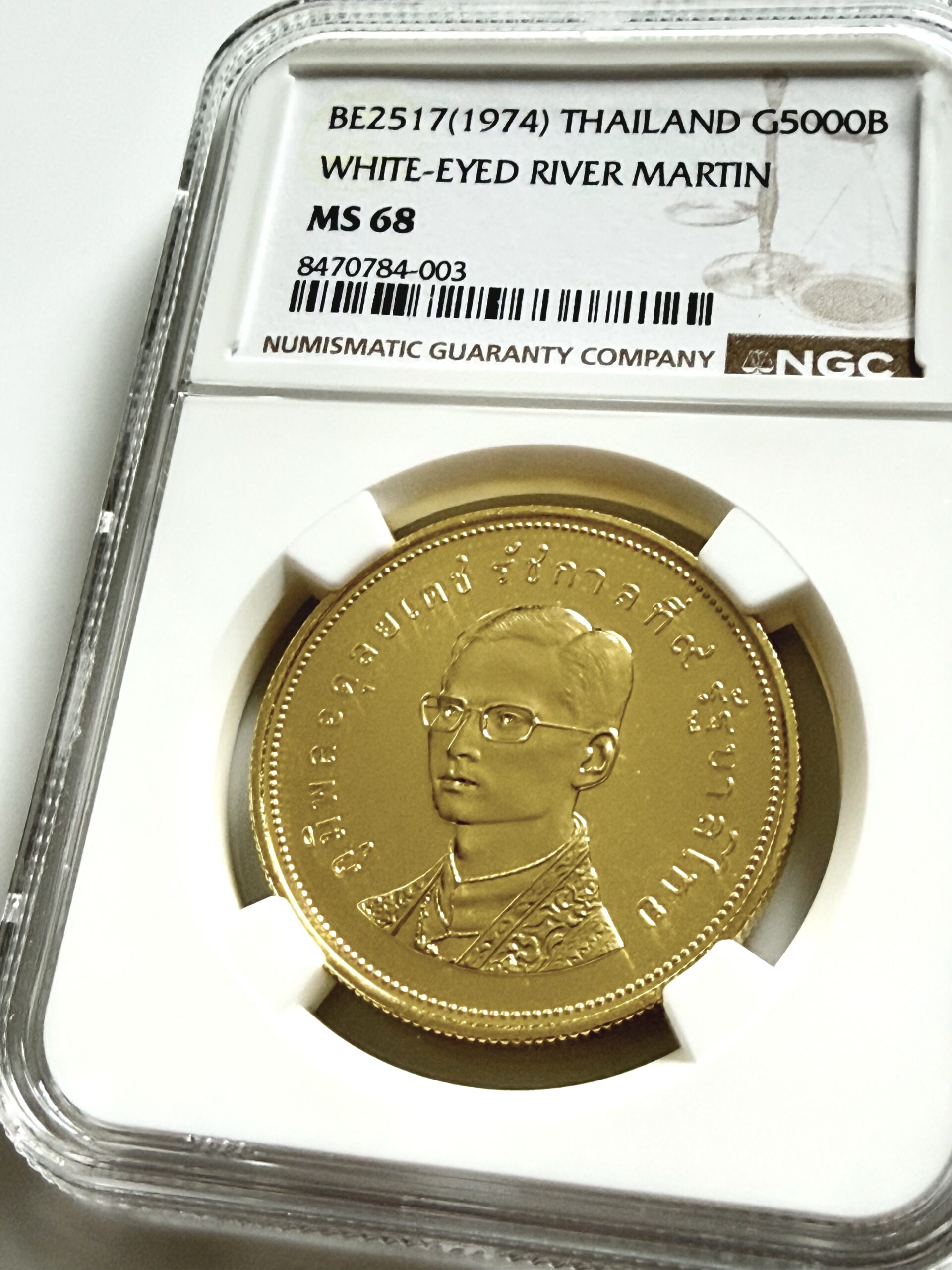
Thailand – BE 2517 (1974) – 5000 Baht – White-eyed River Martin – Conservation Series – Gold – Stempelglanz – NGC MS68
5.100,00 €
plus Versand
Jetzt entdecken -
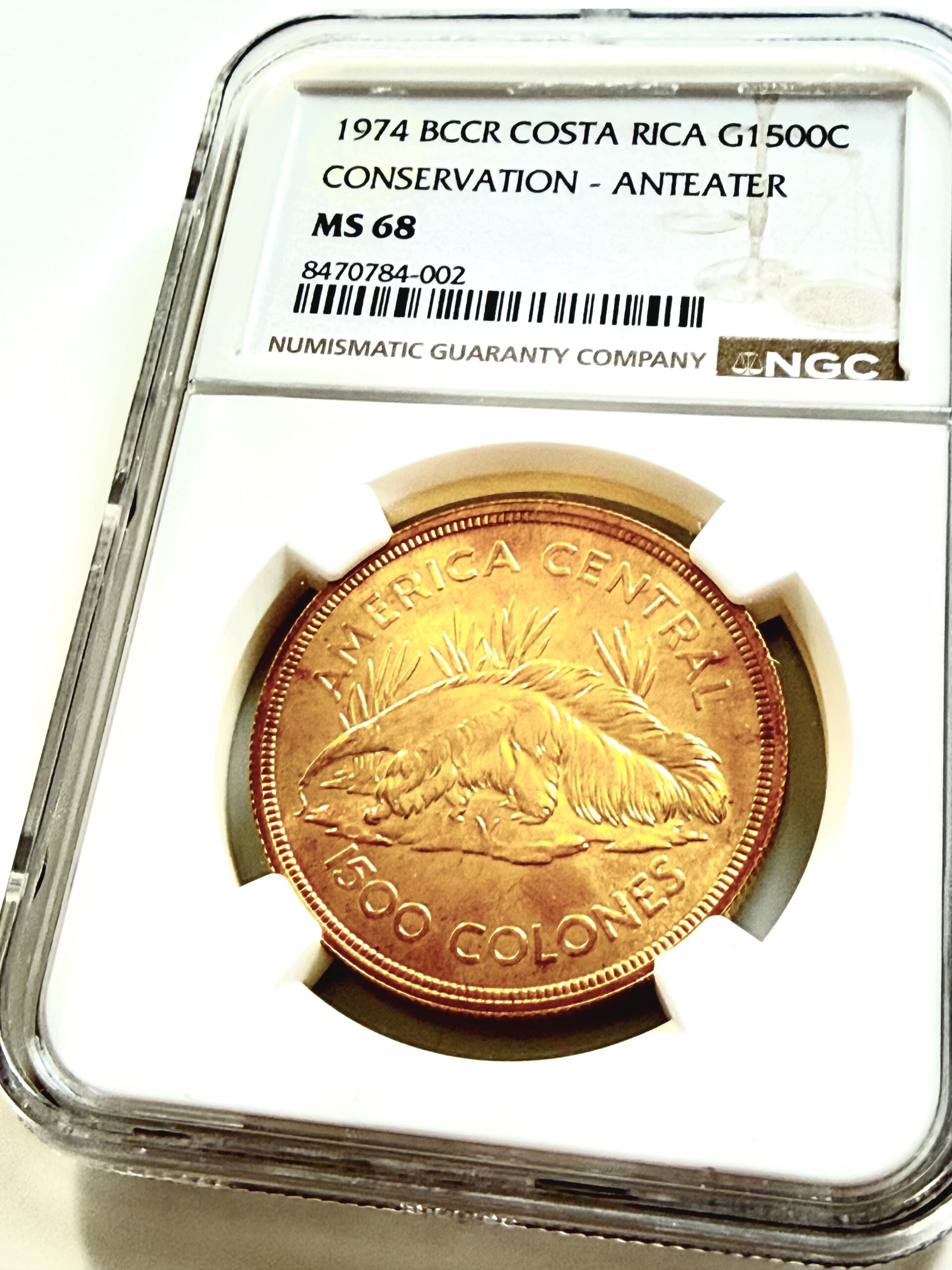
Costa Rica – 1974 – 1500 Colones – Anteater – Conservation Series – Gold – Stempelglanz – NGC MS68
5.050,00 €
plus Versand
Jetzt entdecken -
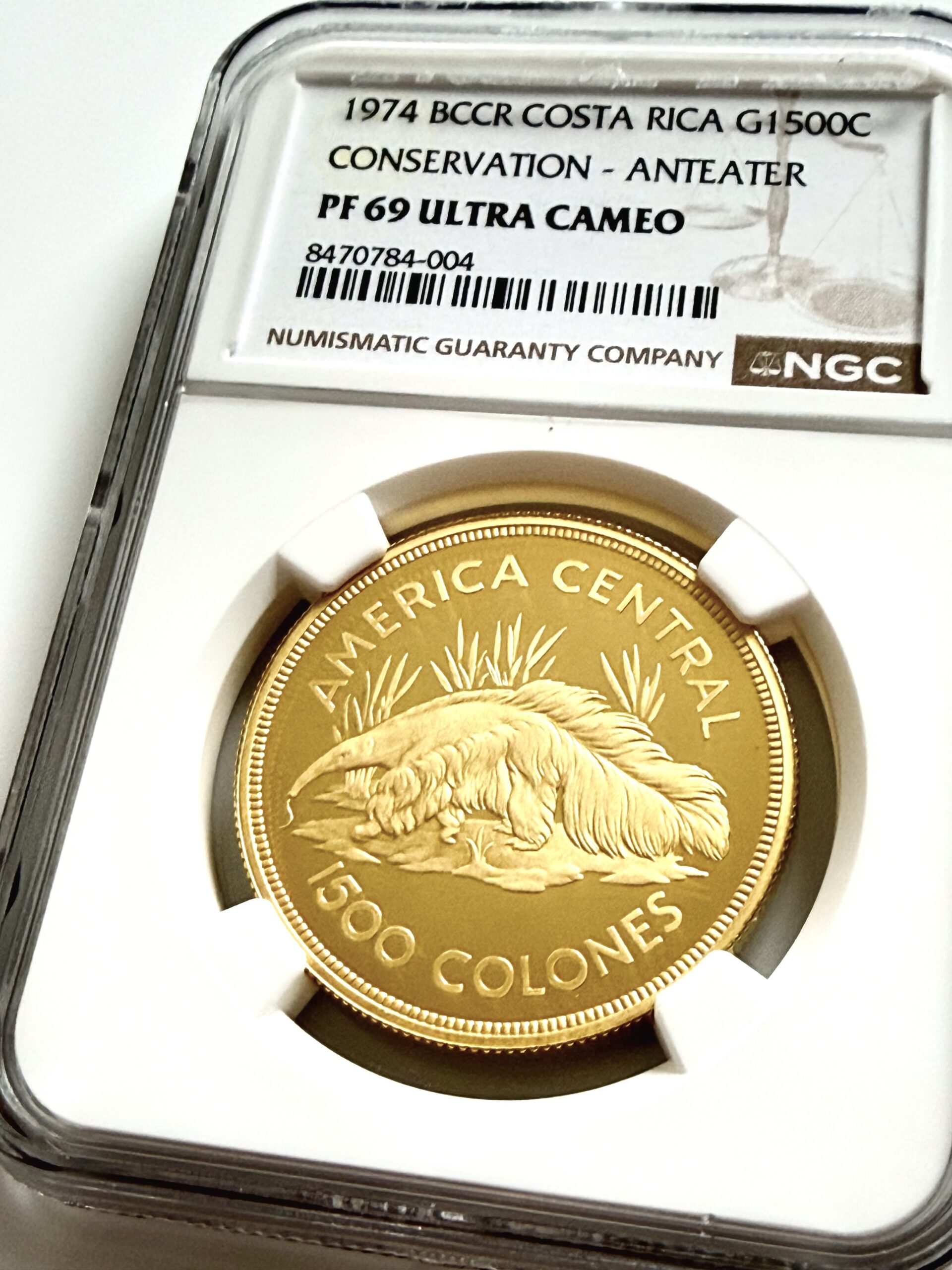
Costa Rica – 1974 – 1500 Colones – Anteater – Conservation Series – Gold – Proof – NGC PF69 Ultra Cameo
5.700,00 €
plus Versand
Jetzt entdecken -
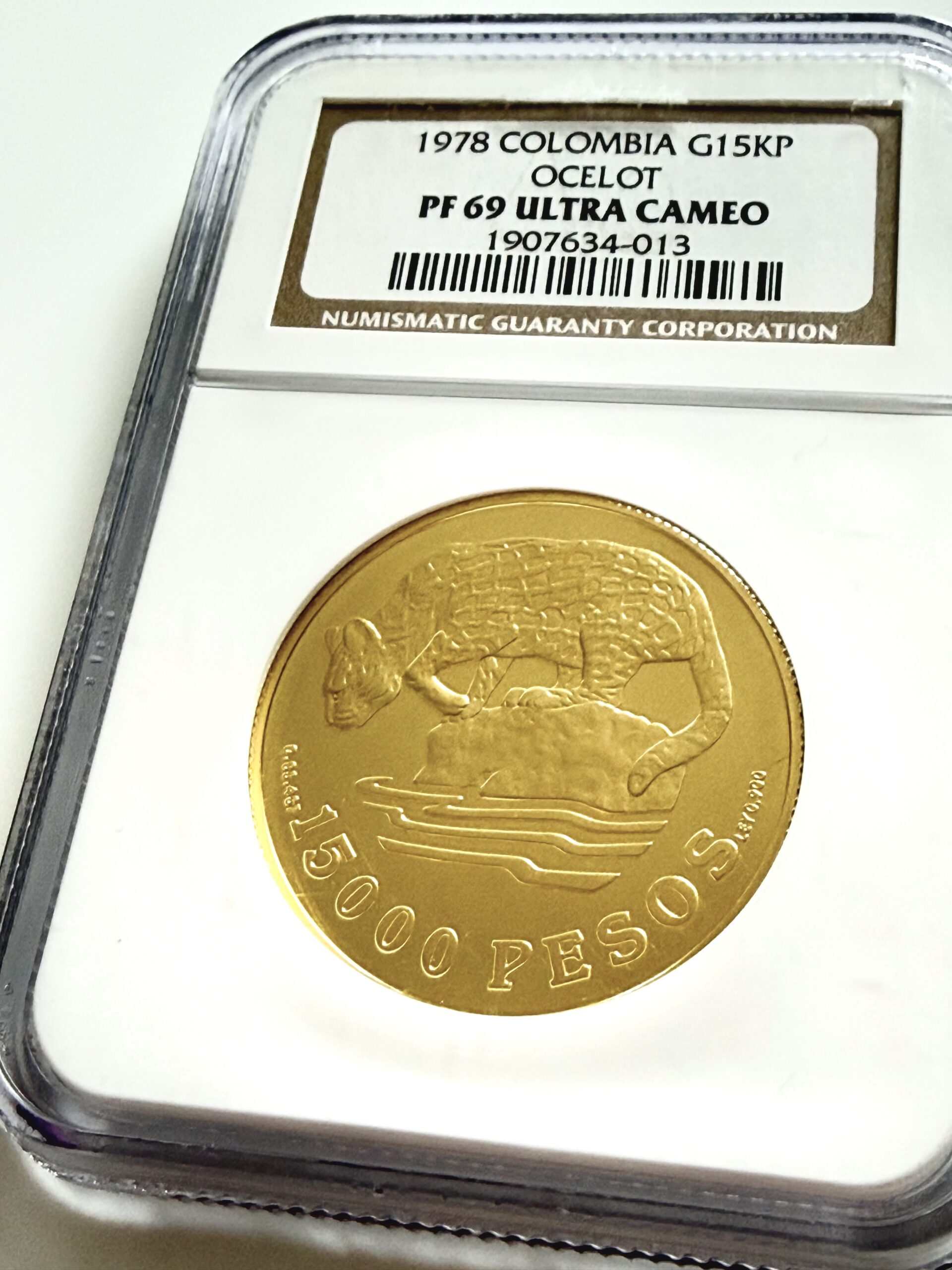
Kolumbien – 1978 – 15000 Pesos – Ocelot – Conservation Series – Gold – Proof – NGC PF69 Ultra Cameo
5.500,00 €
plus Versand
Jetzt entdecken -
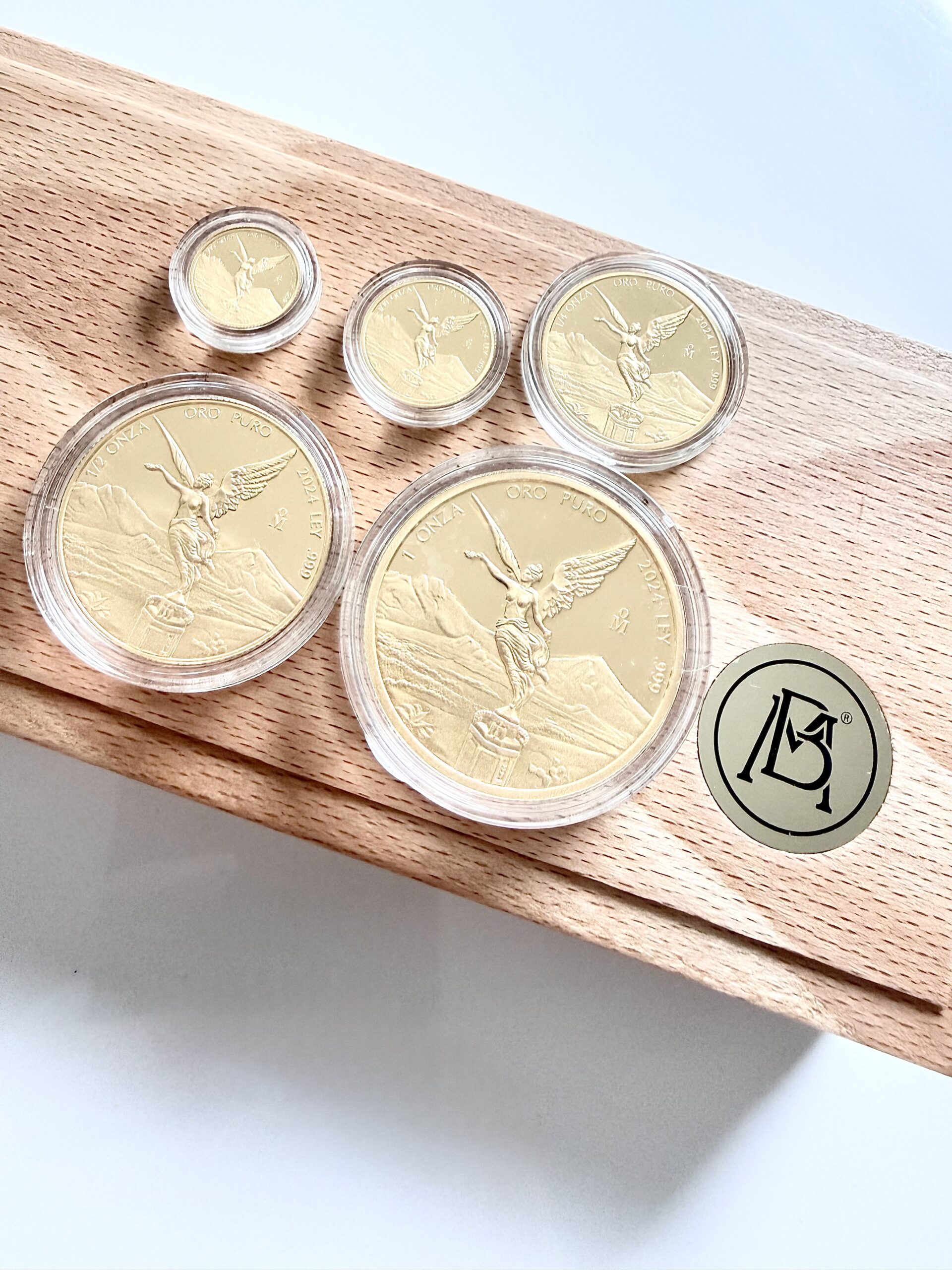
Mexiko – 2024 – Libertad – Gold Proof Set – 1.9 oz – 5 Goldmünzen – Box und COA
8.500,00 €
plus Versand
Jetzt entdecken -
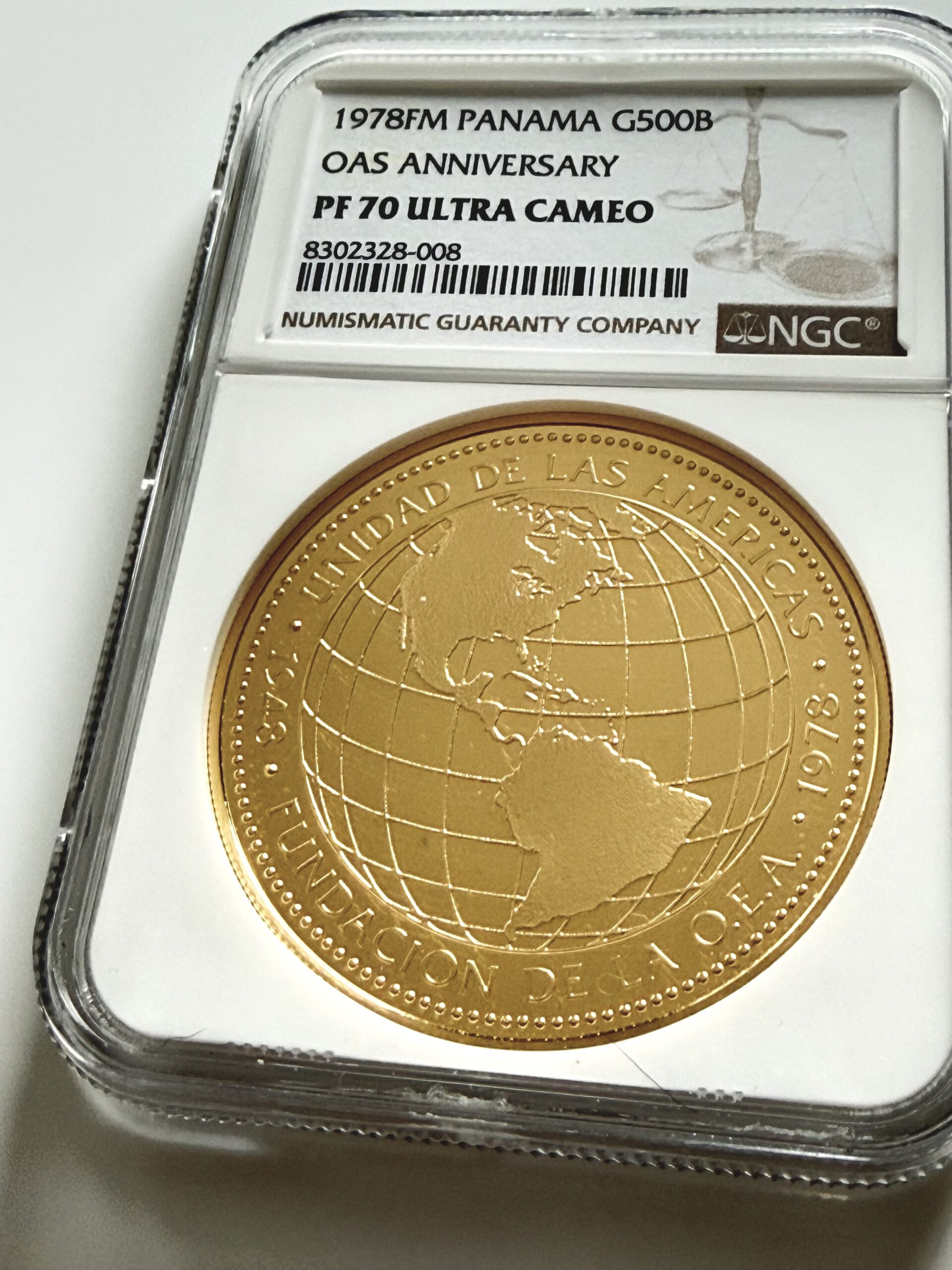
Panama – 1978 – 500 Balboas – 30. Jahrestag OAS – Gold – Proof – NGC PF70 UCAM – Top Pop
5.850,00 €
plus Versand
Jetzt entdecken -
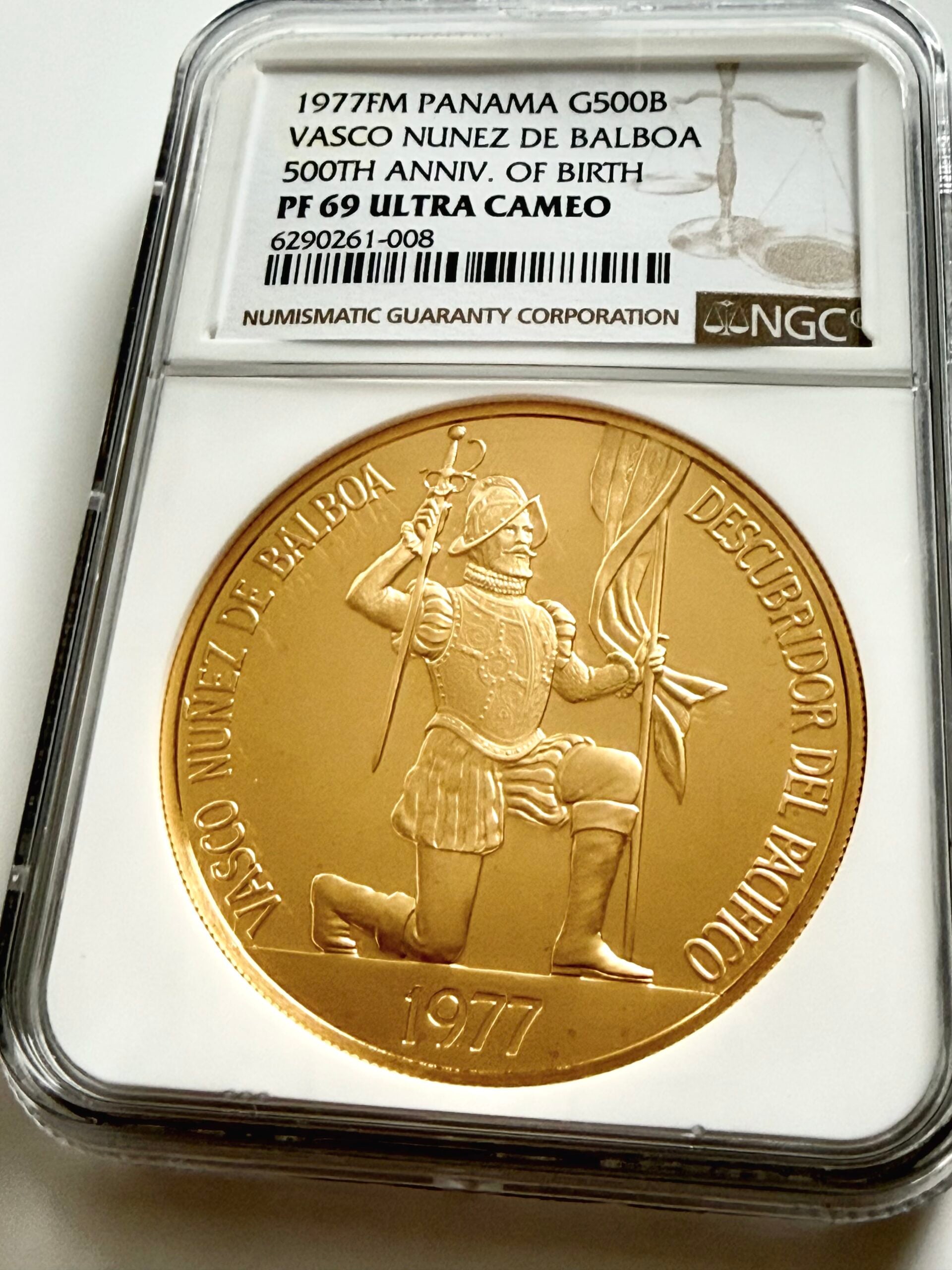
Panama – 1977 – 500 Balboas – 500. Geburtstag Vasco Nunez de Balboa – Gold – Proof – NGC PF69 UCAM
5.850,00 €
plus Versand
Jetzt entdecken -
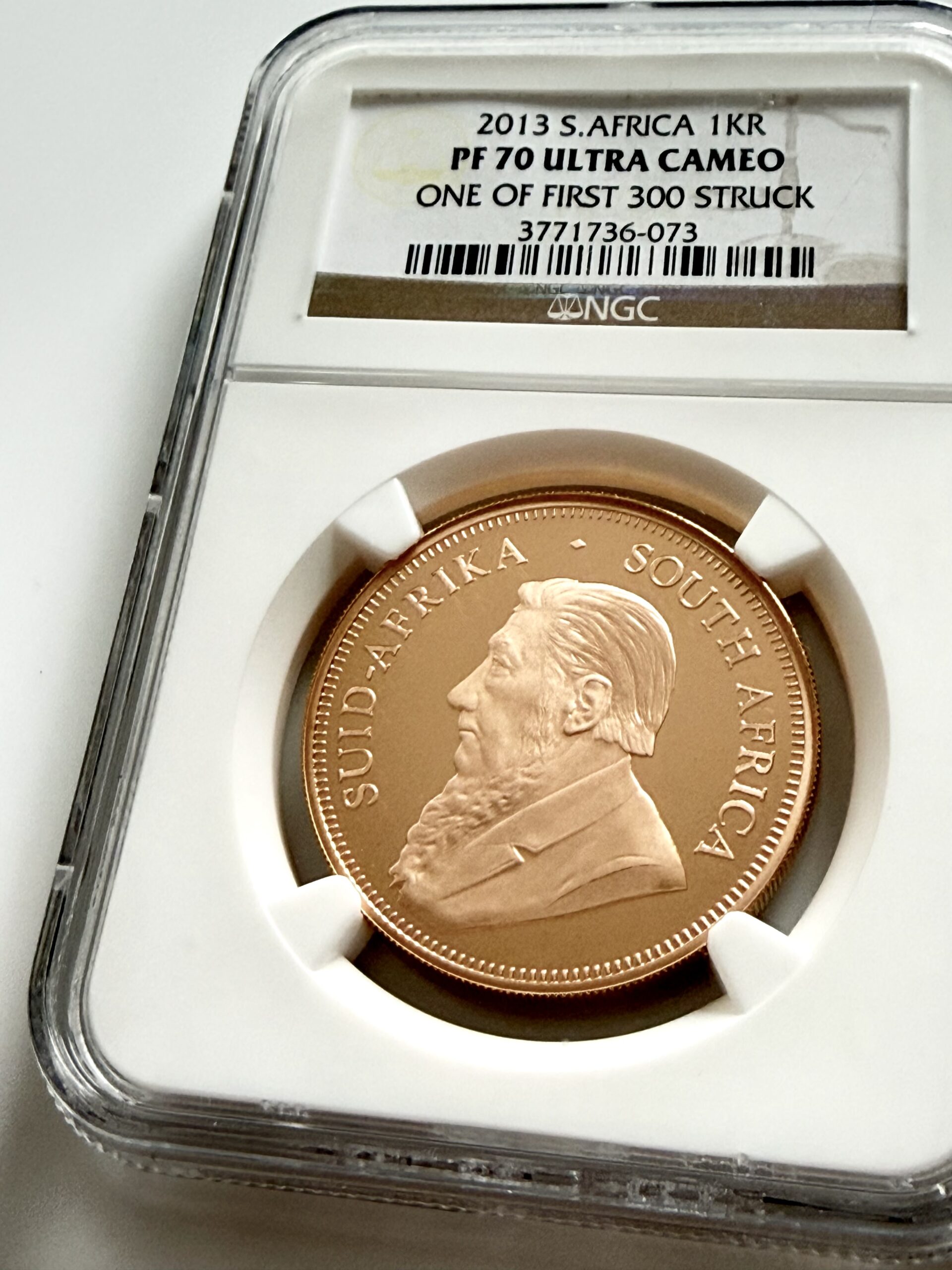
Südafrika – 2013 – Krügerrand – 1oz – Gold – Proof – NGC PF70 UCAM – Top Pop
4.800,00 €
plus Versand
Jetzt entdecken -
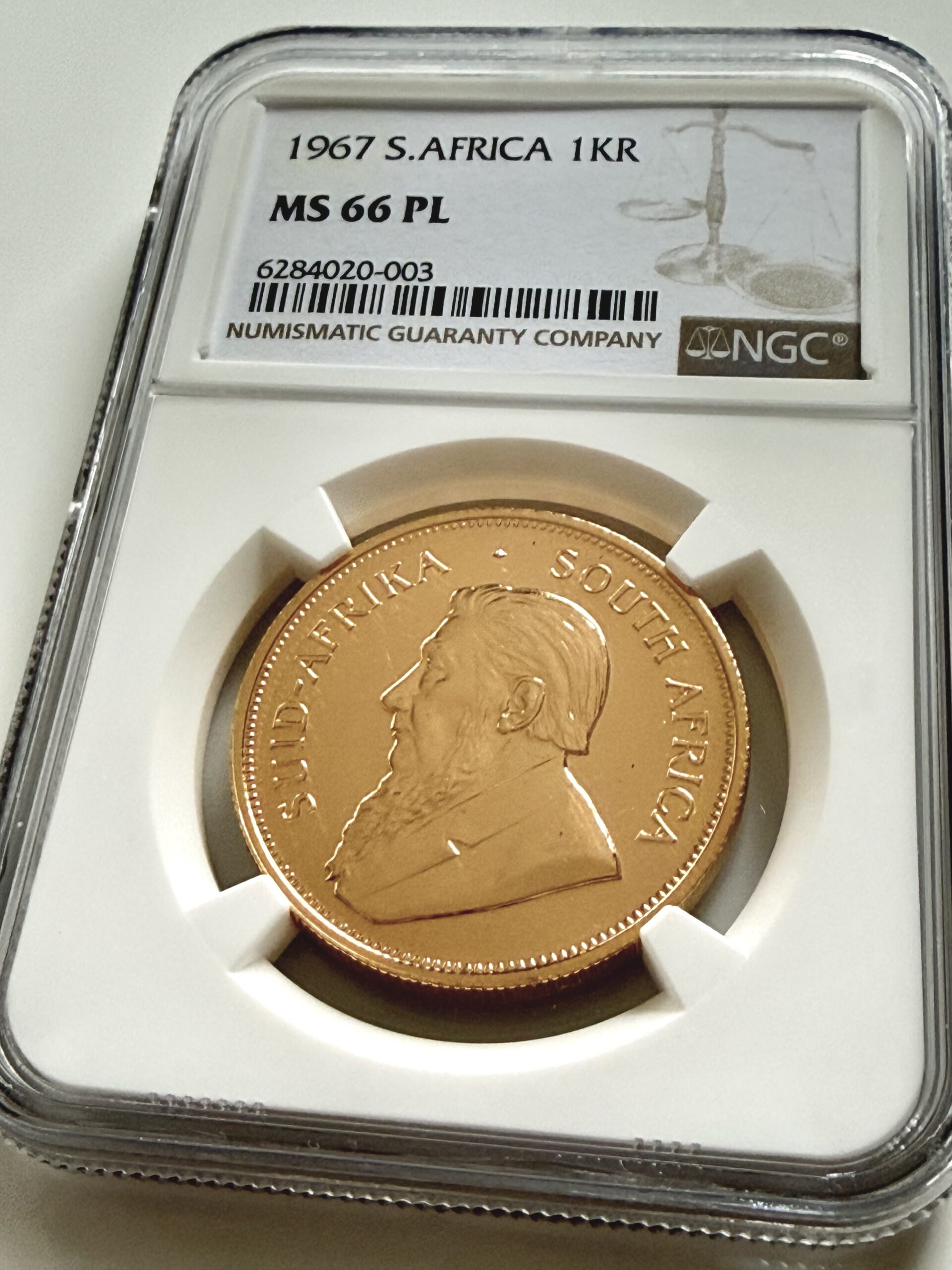
Südafrika – 1967 – Krügerrand – 1oz – Gold – Prooflike – NGC MS66 PL
5.700,00 €
plus Versand
Jetzt entdecken