
Numismatists vs. Coin Collectors: Differences, Similarities, and Their Significance for Numismatics
The world of coins is fascinating and complex. However, anyone who delves deeper into it quickly encounters two terms: numismatist and coin collector .
Both share a passion for coins, but their perspectives and goals differ. This article explores the differences and similarities—and why both are essential for preserving our cultural heritage.
What is a numismatist?
A numismatist is an expert who scientifically studies coins, medals and other means of payment.
Research and analysis
-
Investigation of origin, minting quality, material and historical significance
-
Preparation of expertises and catalogues
-
Publication of scientific papers
Fields of activity
Numismatists work in various areas of the coin world:
-
Museums and archives: research and preservation of historical coin collections
-
Universities and research institutions: communication and transfer of specialist knowledge
-
Auction houses: valuation, expertise and cataloging of collections
-
Coin dealers and specialist shops: Advice to collectors and investors
-
Professional associations and numismatic societies: promoting knowledge and quality standards
Goal
To document, systematize and pass on knowledge about coins to future generations.
For numismatists, coins are primarily sources of history – small witnesses to history that reflect politics, economics and culture.
What is a coin collector?
A coin collector acquires coins out of passion, curiosity, or as a long-term investment.
-
Collecting by themes or motifs, such as animal depictions, historical events or famous personalities
-
Interest in limited editions or rare vintages with high value appreciation potential
-
The joy of ownership, combined with the personal story behind the coins
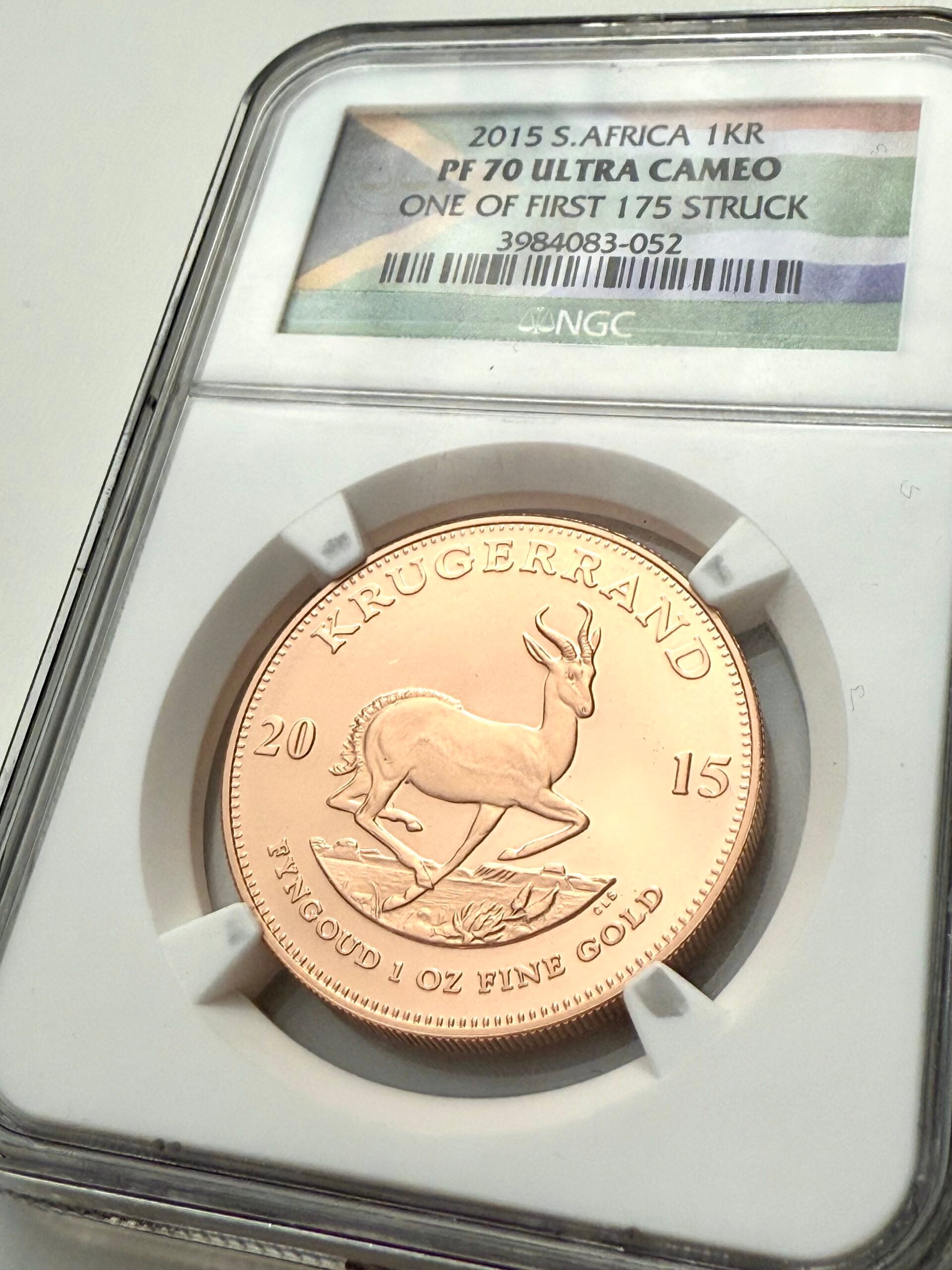
📌 Collector’s example: The Krugerrand Proof issues from 1992 and 1995 are particularly sought-after. These were minted in extremely small numbers and are among the rarest modern South African gold coins today. Anyone who owns such an issue in top PCGS or NGC quality owns a true numismatic gem.
Series such as the South African Natura series or the Mexican Libertad Proofs are also examples of modern issues with high collector value.
Similarities
Despite different approaches, numismatists and coin collectors have a lot in common:
-
Both share a passion for coins and their stories.
-
They help ensure that valuable coins are preserved for future generations.
-
For both, coins are more than metal – they are works of art and historical documents.
Differences
The main differences between the two groups lie in their goals and working methods:
-
Objective: Numismatists strive for scientific knowledge, coin collectors for pleasure, completeness or increased value.
-
Working method: Numismatists document, publish, and analyze; collectors concentrate on acquiring, maintaining, and building their collections.
-
Relationship to coins: For numismatists, coins are research objects, for collectors they are personal treasures.
Why both are indispensable
Numismatists and coin collectors complement each other perfectly:
-
Without numismatists there would be no systematic knowledge of coins and their history.
-
Without collectors, many rare pieces would not survive for centuries.
Together they ensure that coins are valued not only as investment objects but also as cultural heritage .
Frequently Asked Questions (FAQ)
What does a numismatist do?
A numismatist scientifically researches coins, analyzes their origin, minting, and history, and disseminates this knowledge to the public.
How does he differ from a coin collector?
While collectors usually acquire coins out of passion or as an investment, numismatists focus on research and documentation.
Can you be both at the same time?
Yes. Many numismatists are passionate collectors themselves – and many collectors deepen their knowledge to the scientific level.
Why are coins so valuable to history?
Coins are unique witnesses to history: they reflect the power, economy, culture and art of their time.
Conclusion
Whether numismatists or coin collectors – both make a decisive contribution to ensuring that coins are not just viewed as pieces of metal, but as living testimonies to our history .
Numismatists provide the scientific depth, while collectors preserve rare coins with passion and dedication. Together, they form the foundation of numismatics.
👉 Discover a select selection of rare and certified gold coins at RareCoin.Store – for collectors looking for more than just precious metal.
Discover the new additions to our gold coin collection in the current range!
-

Australien – 2015 – Wedge-Tailed Eagle – 1 oz PP Gold – PCGS PR70 DCAM
3.950,00 €
plus Versand
Jetzt entdecken -
Krügerrand – 1999 – 1 oz Proof Goldmünze – PCGS PR69 Deep Cameo
4.250,00 €
plus Versand
Jetzt entdecken -
Südafrika – Krügerrand – 2014 – One of first 300 Struck – 1oz Proof Gold – NGC PF70 UCAM
3.950,00 €
plus Versand
Jetzt entdecken -
Südafrika – Krügerrand – 2015 – One of first 175 Struck – 1oz Proof Gold – NGC PF70 UCAM – 052
3.950,00 €
plus Versand
Jetzt entdecken -
Äquatorialguinea – 1993 – 30000 Francs – Afrikanischer Elefant – 1oz – Gold – PCGS MS67
3.650,00 €
plus Versand
Jetzt entdecken -
Südafrika – Krügerrand – 2011 – 1 oz Gold Proof – 50 Jahre Dezimalisierung – NGC PF69 UCAM
3.850,00 €
plus Versand
Jetzt entdecken -
Südafrika – Krügerrand – 1 oz Platin Proof – 2017 – 50 Jahre Jubiläum – First Releases – NGC PF69 UCAM
0,00 €
plus Versand
Jetzt entdecken -
Isle of Man – 2009 – Angel – 25th Anniversary Privy – High Relief – 1oz Gold Proof – PCGS PR70 DCAM
3.950,00 €
plus Versand
Jetzt entdecken -
Mexiko – 2010 – Bicentenario – 200 Pesos – PCGS MS69
5.300,00 €
plus Versand
Jetzt entdecken -
Südafrika – Krügerrand – 1 oz Platin Proof – 2017 – 50 Jahre Jubiläum – NGC PF70 UCAM
4.500,00 €
plus Versand
Jetzt entdecken