
Gold, silver, platinum or palladium – which precious metal is worth investing in?
Which precious metals should you invest in – and what role should gold, silver, platinum, and palladium play in your portfolio? Precious metals have always been considered a reliable store of value and react differently to economic, monetary, and financial market cycles than traditional asset classes. They are therefore frequently used as a hedging and diversification tool. But which metal fulfills which function – and for whom is which precious metal investment a good fit?
This article compares gold, silver, platinum and palladium from an investment perspective, explains differences in risk, liquidity, volatility and taxation, and shows why gold continues to play a central role for long-term investors.
Gold – anchor of stability and long-term value preservation
Gold is the leading metal among precious metals . It is used worldwide as a reserve of value, by both private investors and central banks. His focus is not on short-term price gains, but on maintaining purchasing power over long periods .
Strengths of Gold
-
High international acceptance and market liquidity
-
long-term proven store of value
-
Historically stable during periods of crisis and inflation
-
In Germany, gold purchased as an investment is exempt from sales tax.
-
tradable in different denominations (especially gold coins)
Gold is particularly suitable as a strategic base position in an asset portfolio – not as a speculative instrument, but as a hedging and stability component .
What investors should consider
-
Gold does not generate any ongoing income (such as dividends or interest).
-
Price movements can fluctuate in the short term.
-
Storage should be done properly and safely.
In practice, many wealth management concepts recommend gold with a portfolio share of 5–15 percent – depending on the risk profile and investment horizon.
Silver – a tangible asset with industrial relevance and higher volatility.
Silver is often referred to as “gold’s little brother”, but it fulfills a different market role . A significant portion of the demand comes from industry (including electronics, photovoltaics, and medical technology). As a result, silver reacts more strongly to economic and technological trends.
Strengths of silver
-
low entry price per unit
-
potentially higher percentage price movements
-
strong industrial use and demand impulses
-
Coin form is particularly popular with private investors.
Points investors should consider
-
significantly more volatile than gold
-
Higher storage costs (more volume with the same capital)
-
In Germany, sales tax is regularly applicable.
-
Liquidity is slightly lower than with gold.
Silver can be a complementary addition – not as a replacement for gold, but as an opportunity-oriented tangible asset component .
Platinum – a precious metal with a strong industrial profile
Platinum is predominantly used in the automotive, chemical, and electronics industries . Its price depends more on economic and production cycles than on monetary factors. Platinum is therefore usually used selectively as an investment.
Strengths of Platinum
-
Widely in industrial demand
-
rare metal with limited production quantities
-
An interesting option for diversification outside of classic precious metal trends.
Limitations from an investor’s perspective
-
lower market liquidity than gold and silver
-
VAT liability on purchase
-
Sometimes significant price fluctuations over market cycles
Platinum is more suitable for investors seeking a broadly diversified precious metal exposure – not as a core investment.
Palladium – a special metal with high volatility
Palladium is a pure industrial metal with extensive use in catalysts and high-tech applications. Supply and demand are closely linked to specific industry developments.
Strengths of Palladium
-
very rare and limited funding sources
-
high price fluctuations when supply and demand are scarce
-
potential tactical investment as part of a broad metals strategy
Risks
-
high volatility and cyclical market phases
-
narrower trading range in the private market
-
Purchases are generally subject to VAT.
Palladium is not a classic asset-protecting metal, but rather a specialized additive with a higher risk component .
Conclusion – which precious metal is right for which investor?
-
Gold
A key base position for stability, value retention and crisis resilience -
Silver
Supplement with higher dynamics and stronger industry focus -
platinum
Selective diversification is only useful as a small portfolio component. -
palladium
specialized market investment with increased volatility risk
In practice, a structure in which gold is clearly the focus and other metals are deliberately added in measured doses , if desired, often proves successful.
Why many investors prefer precious metals in coin form
Precious metal coins offer several advantages for private investors:
-
high brand recognition and market acceptance
-
Good tradability even in smaller denominations
-
transparent pricing
-
Gold coins often have tax advantages
In practice , gold coins from established series, in particular, combine value retention, liquidity and flexibility very well.
Diploma
Precious metals are not a substitute for a holistic wealth strategy – however, they are a robust, long-term proven portfolio component . The key is the correct weighting, the appropriate choice of metal, and a reputable source .
We would be happy to assist you in developing a precious metals strategy that matches your goals and in selecting suitable coins.
Discover the new additions to our gold coin collection in the current range!
-

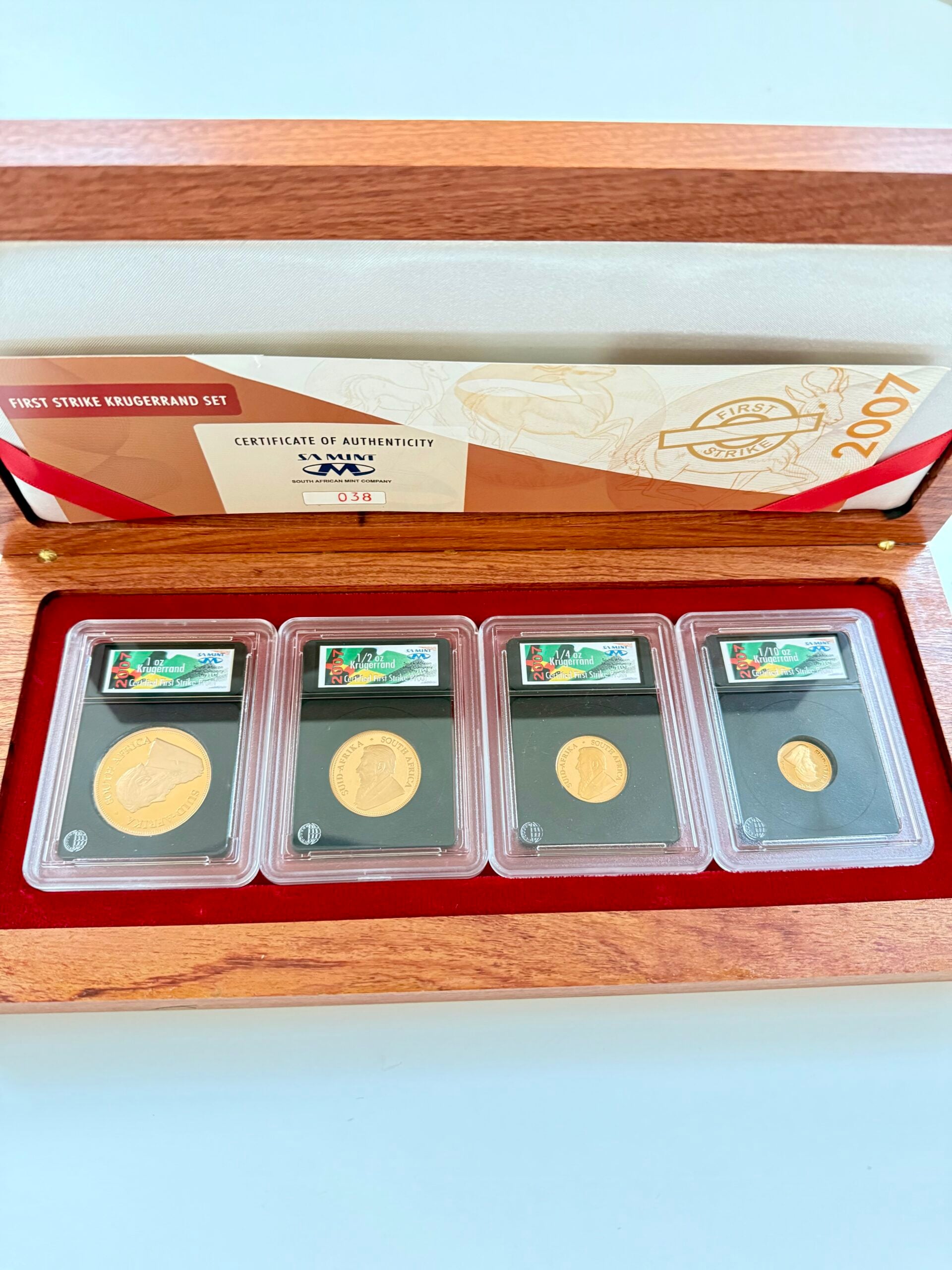
Südafrika – Krügerrand – 2007 – First Strike Gold-Proof Set – 4 Goldmünzen mit Holzbox und Zertifikat
8.600,00 €
Enthält 0% Mwst. befreit gem. §25c UStG
plus Versand
Jetzt entdecken -
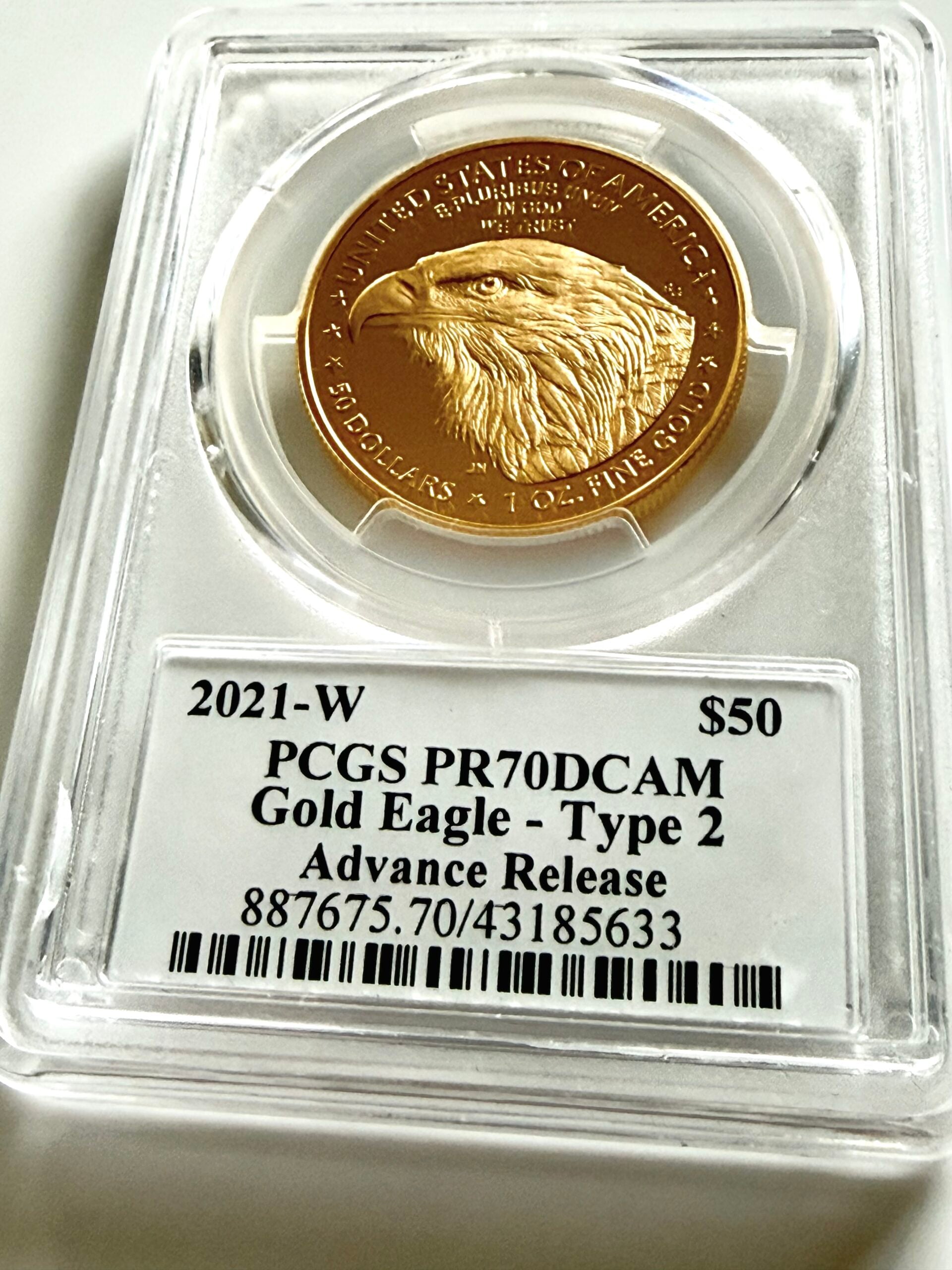
USA – 2021 – 50 Dollar – Gold American Eagle Type 2 – Gold – Proof – PCGS PR70DCAM – Top Pop
4.650,00 €
Enthält 0% Mwst. befreit gem. §25c UStG
plus Versand
Jetzt entdecken -
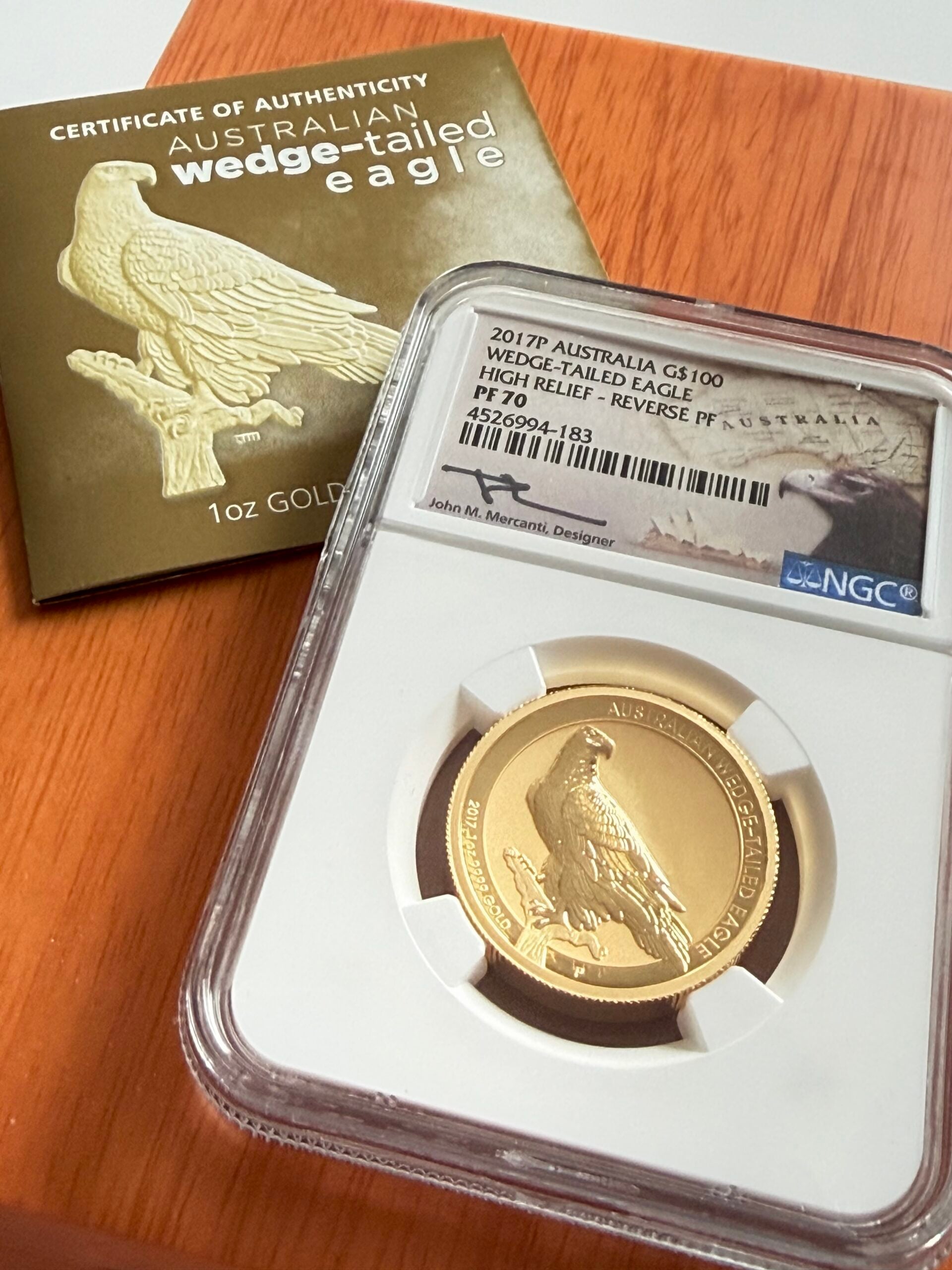
Australien – 2017 – 100 Dollar – Wedge-Tailed Eagle – 1 oz Gold – High Relief Reverse Proof – NGC PF70 – Mercanti Signed Label
4.800,00 €
Enthält 0% Mwst. befreit gem. §25c UStG
plus Versand
Jetzt entdecken -
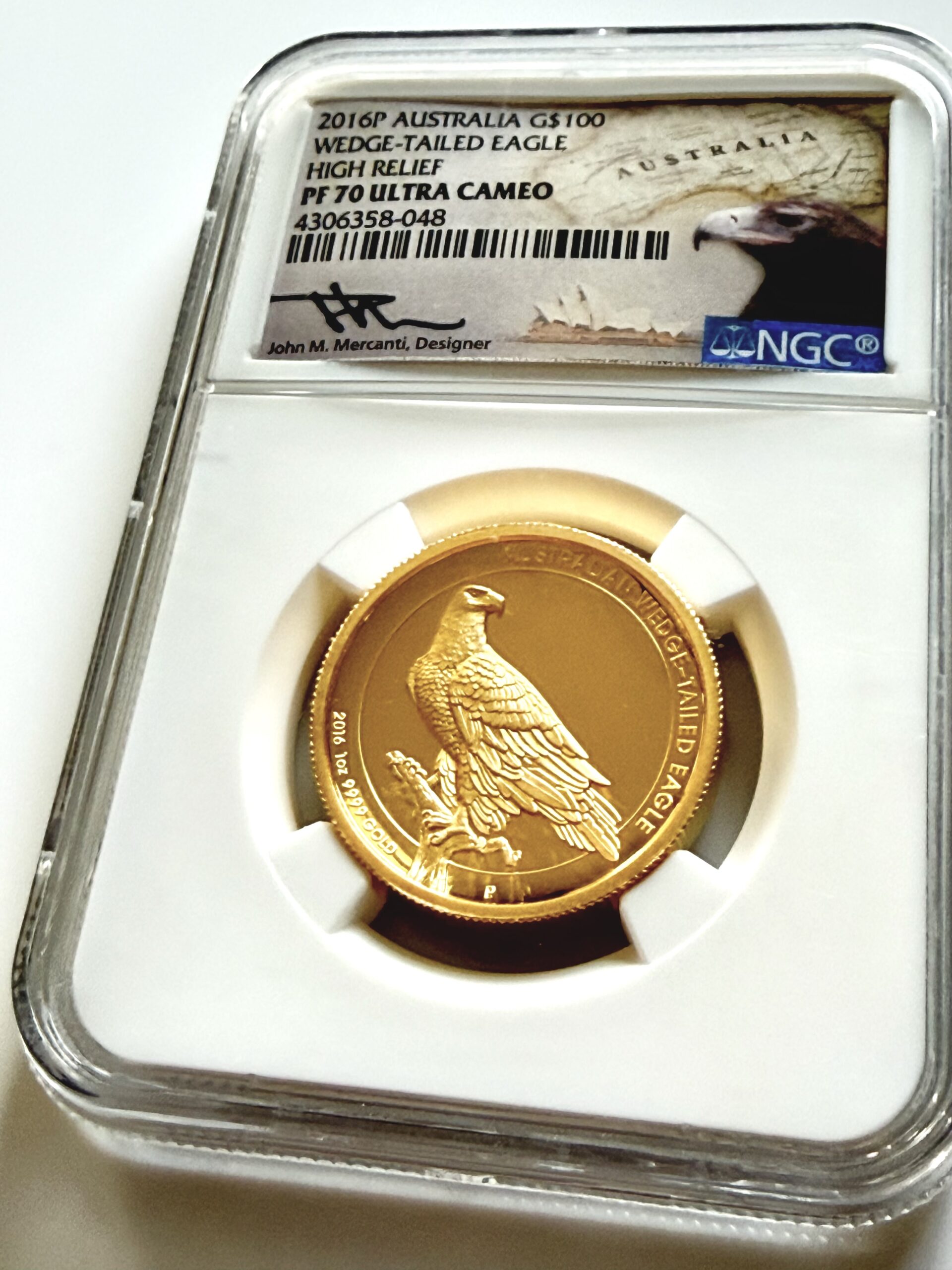
Australien – 2016 – 100 Dollar – Wedge Tailed Eagle – Gold 1 oz Proof High Relief – NGC PF70 UCAM – Mercanti Signed Label
4.800,00 €
Enthält 0% Mwst. befreit gem. §25c UStG
plus Versand
Jetzt entdecken -
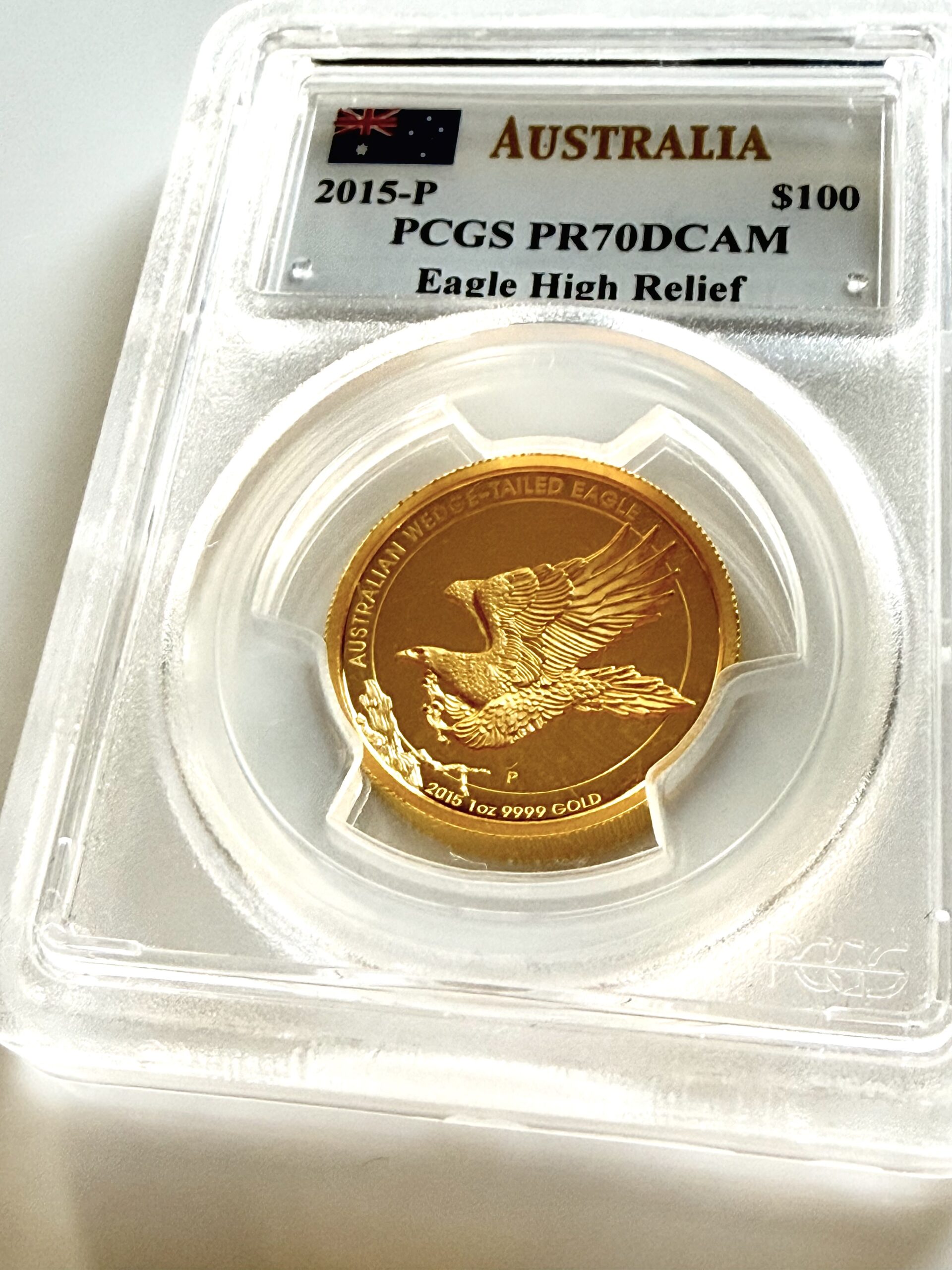
Australien – 2015 – 100 Dollar – Wedge Tailed Eagle – Gold 1 oz Proof High Relief – PCGS PR70 DCAM – Mercanti Signed Label
4.800,00 €
Enthält 0% Mwst. befreit gem. §25c UStG
plus Versand
Jetzt entdecken -
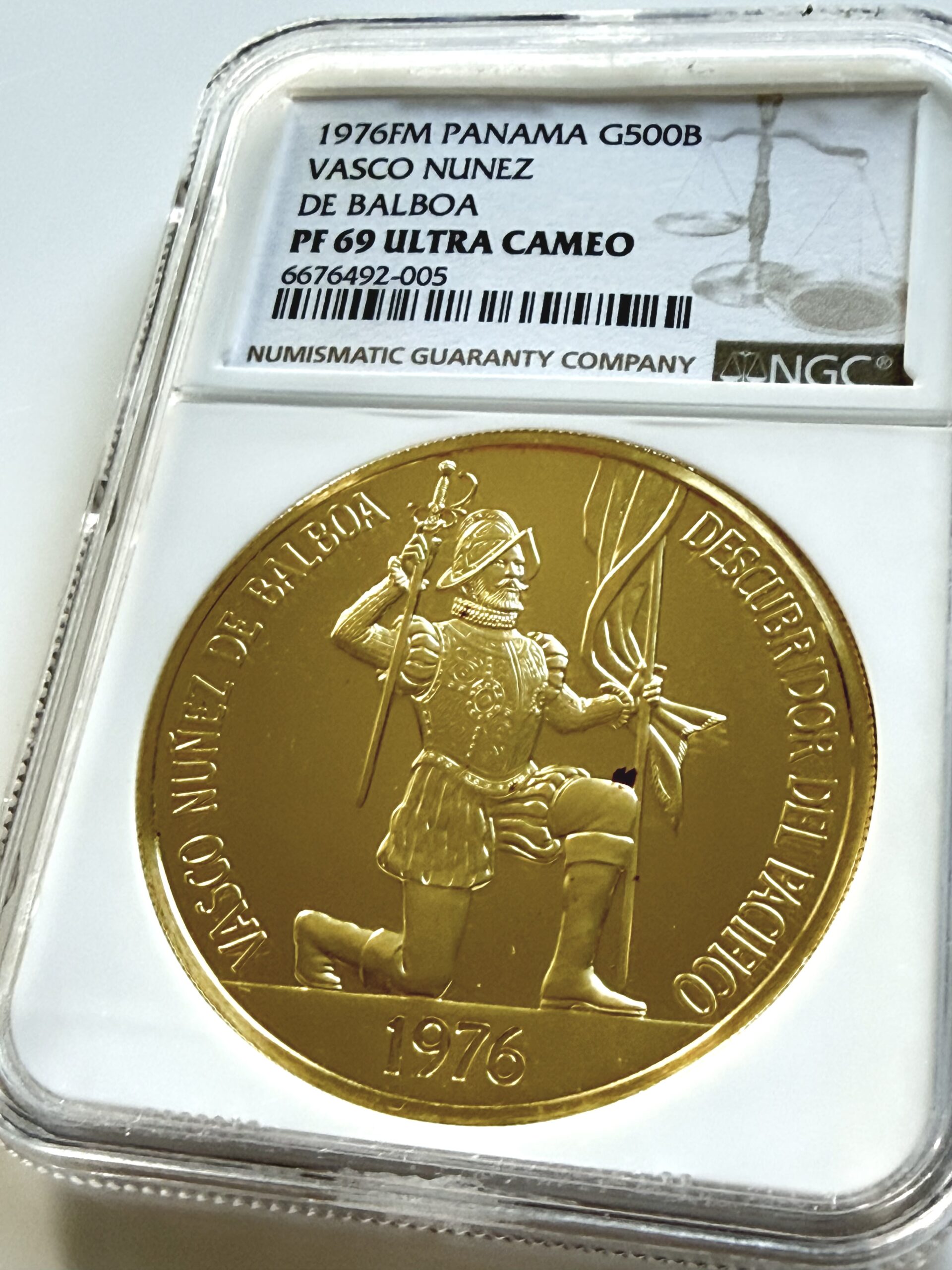
Panama – 1976 – 500 Balboas – 500 Jahre Vasco Núñez de Balboa – Gold Proof – NGC PF69 Ultra Cameo
5.600,00 €
Enthält 0% Mwst. befreit gem. §25c UStG
plus Versand
Jetzt entdecken -
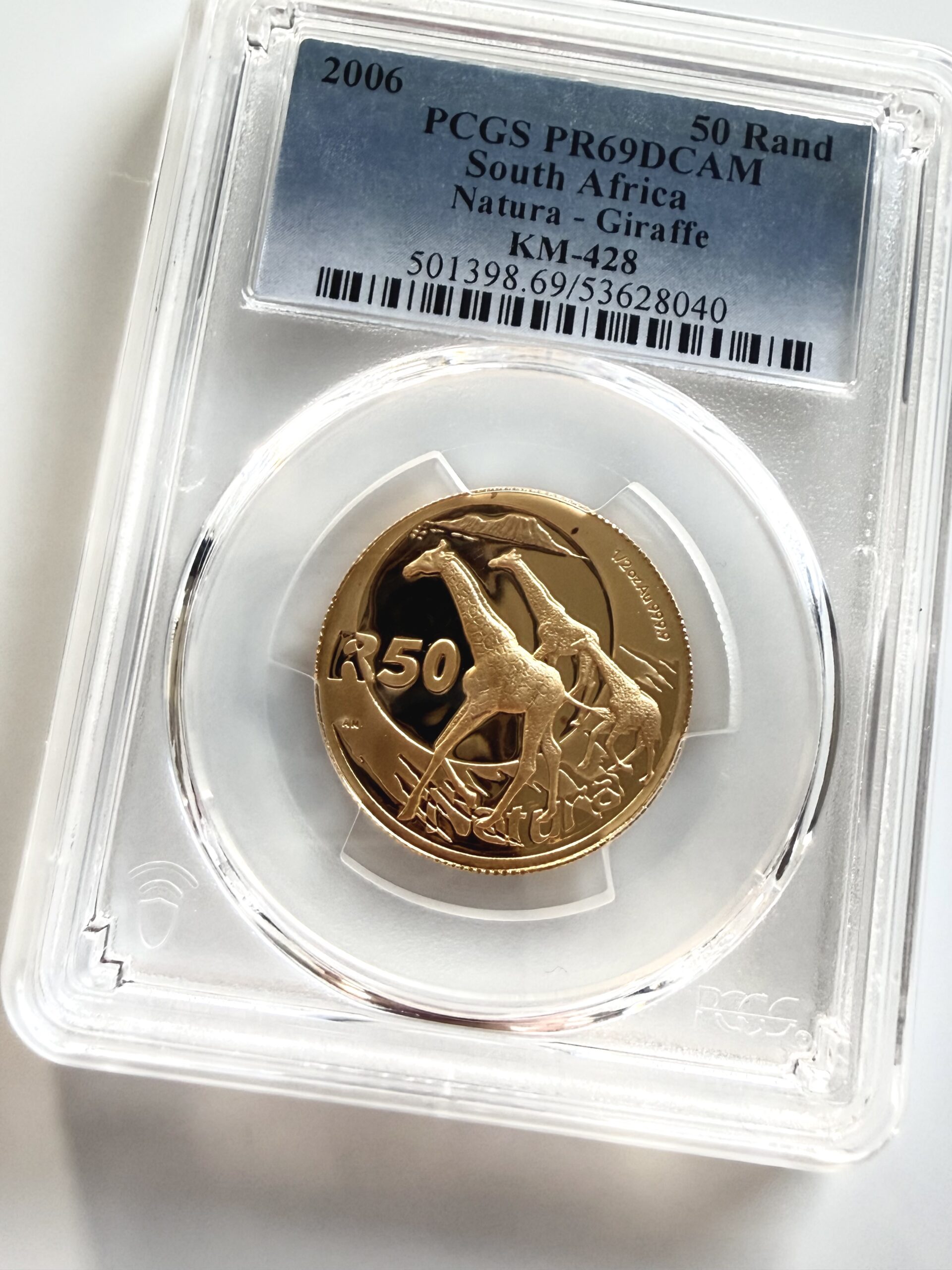
Südafrika – 2006 – Natura – Giraffe – 50 Rand – 1/2 oz Gold Proof – PCGS PR69 DCAM
2.400,00 €
Enthält 0% Mwst. befreit gem. §25c UStG
plus Versand
Jetzt entdecken -
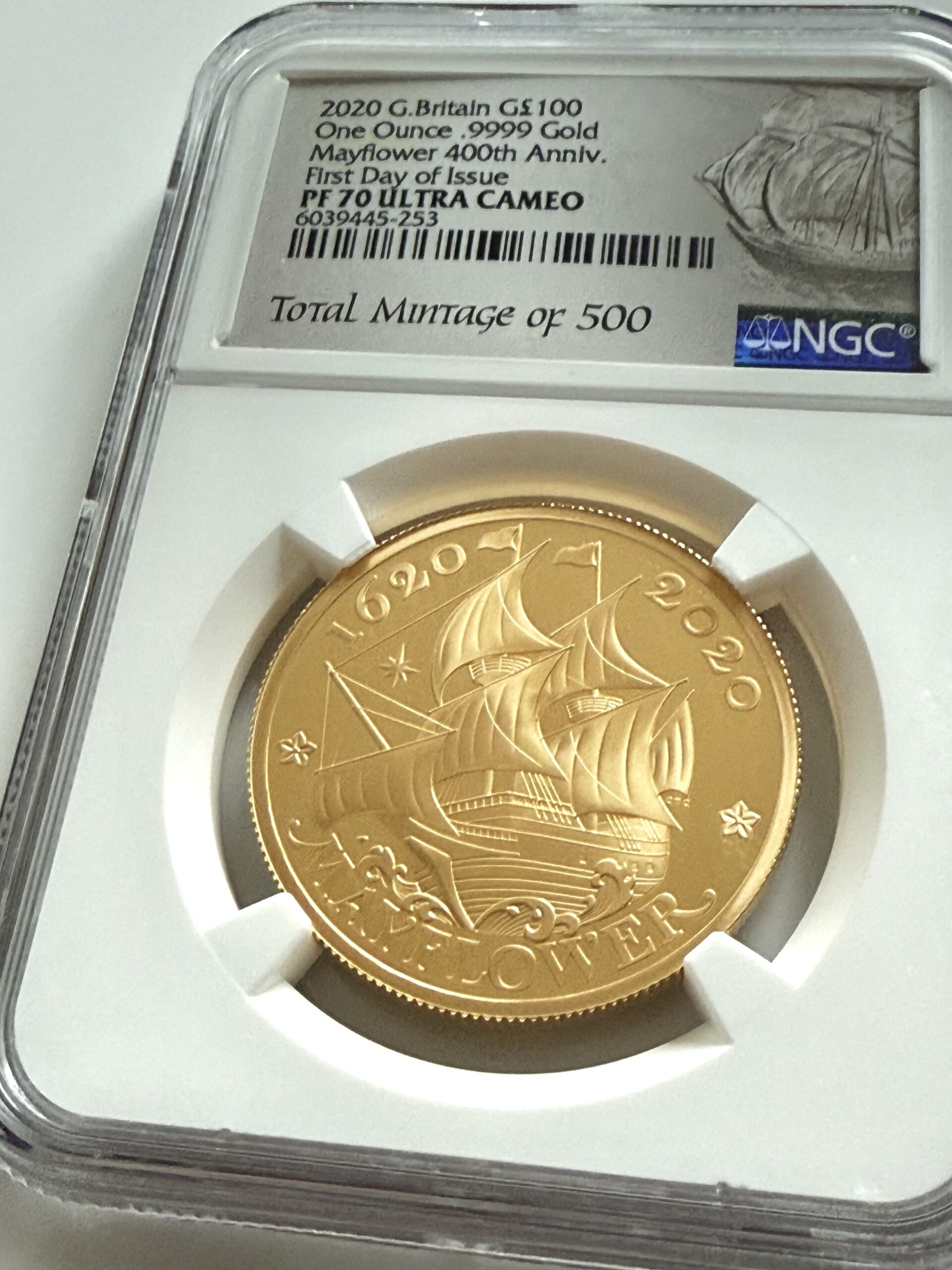
Großbritannien – 2020 – 100 Pfund – Mayflower 400th Anniversary – 1oz Gold Proof – NGC PF70 Ultra Cameo – First Day of Issue
4.500,00 €
Enthält 0% Mwst. befreit gem. §25c UStG
plus Versand
Jetzt entdecken -
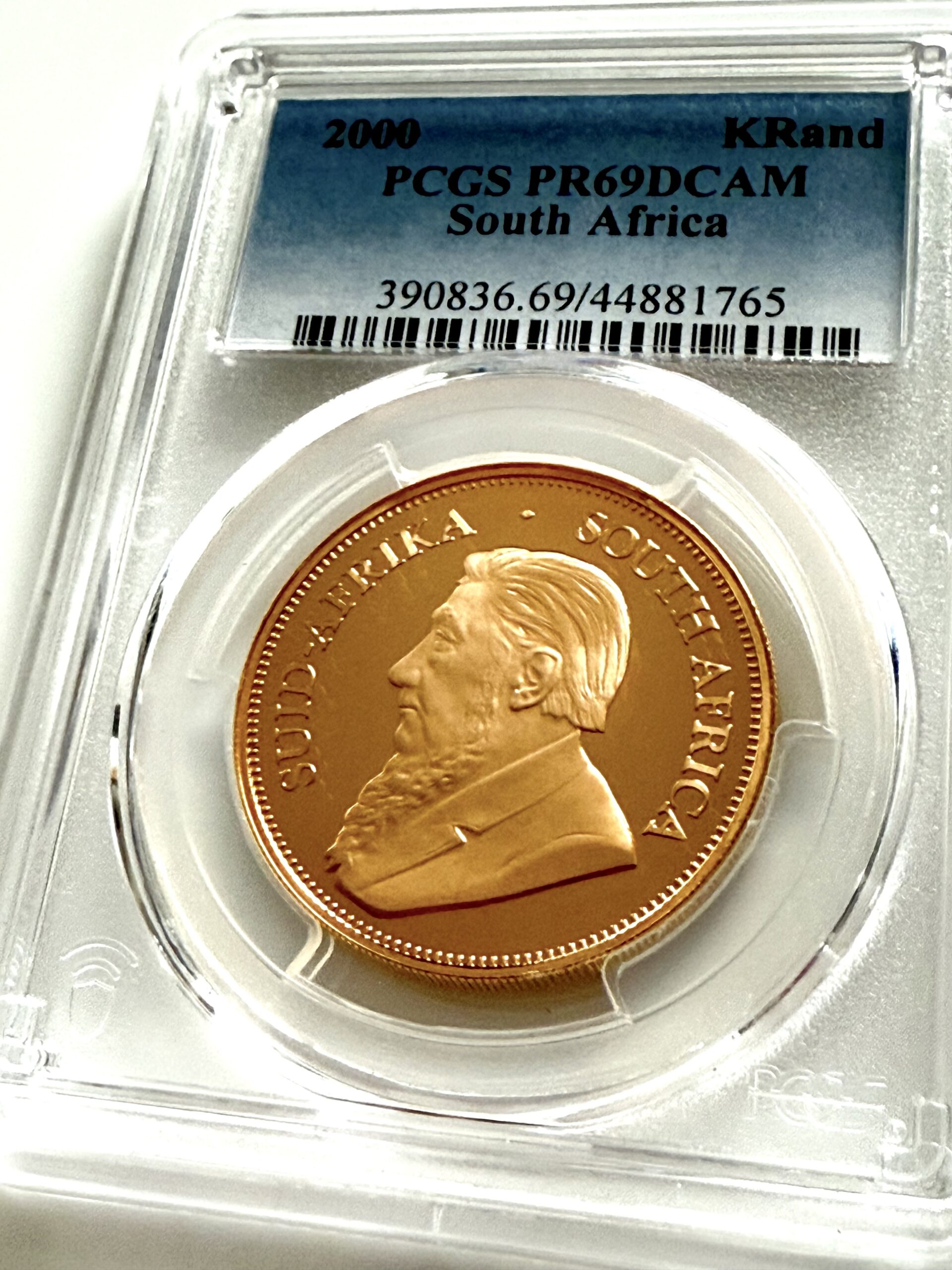
Südafrika – Krügerrand – 2000 – 1 oz – Gold – Proof – PCGS PR69 DCAM
4.800,00 €
Enthält 0% Mwst. befreit gem. §25c UStG
plus Versand
Jetzt entdecken -
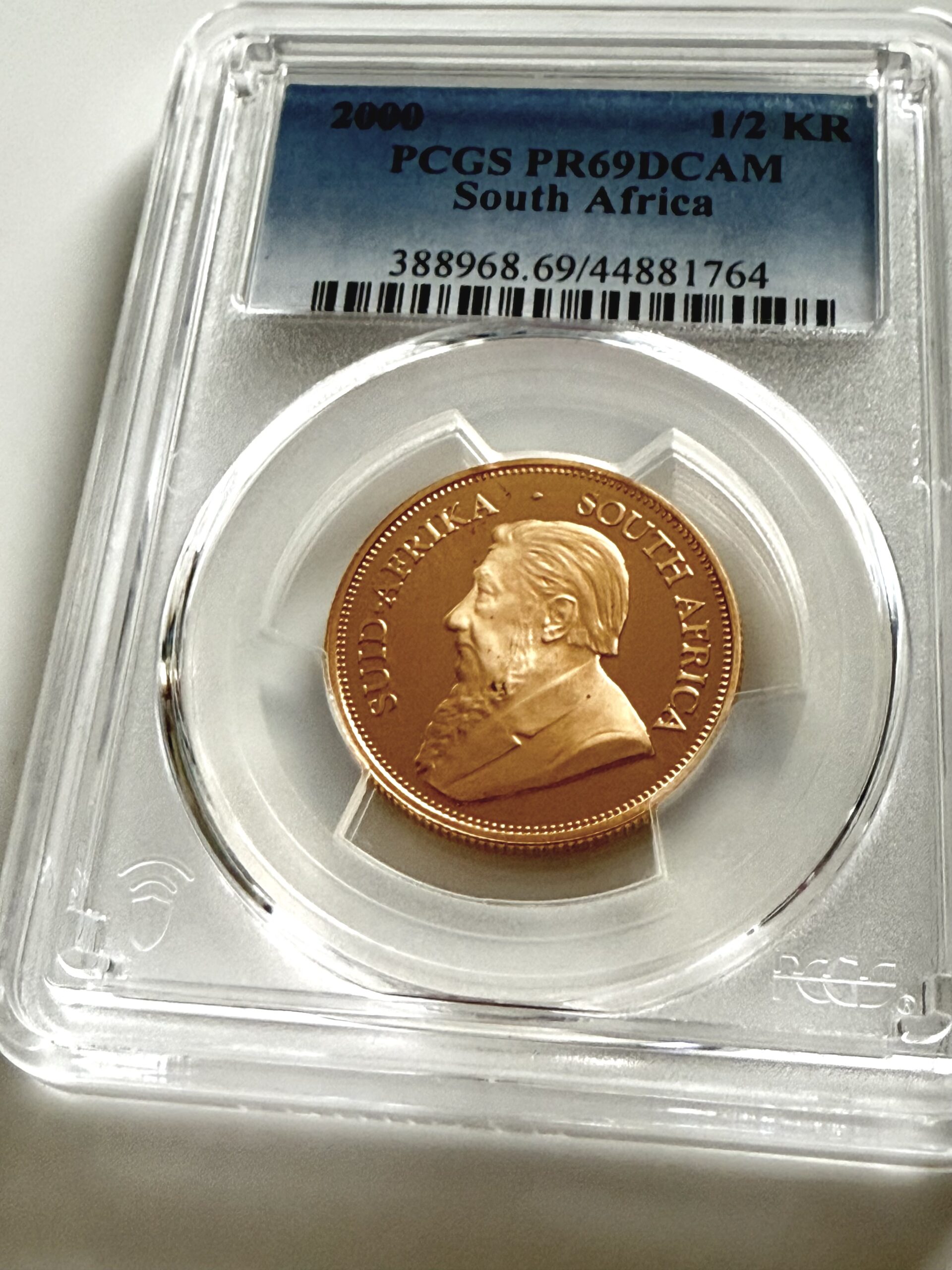
Südafrika – Krügerrand – 2000 – 1/2 oz – Gold – Proof – PCGS PR69 DCAM
2.350,00 €
Enthält 0% Mwst. befreit gem. §25c UStG
plus Versand
Jetzt entdecken