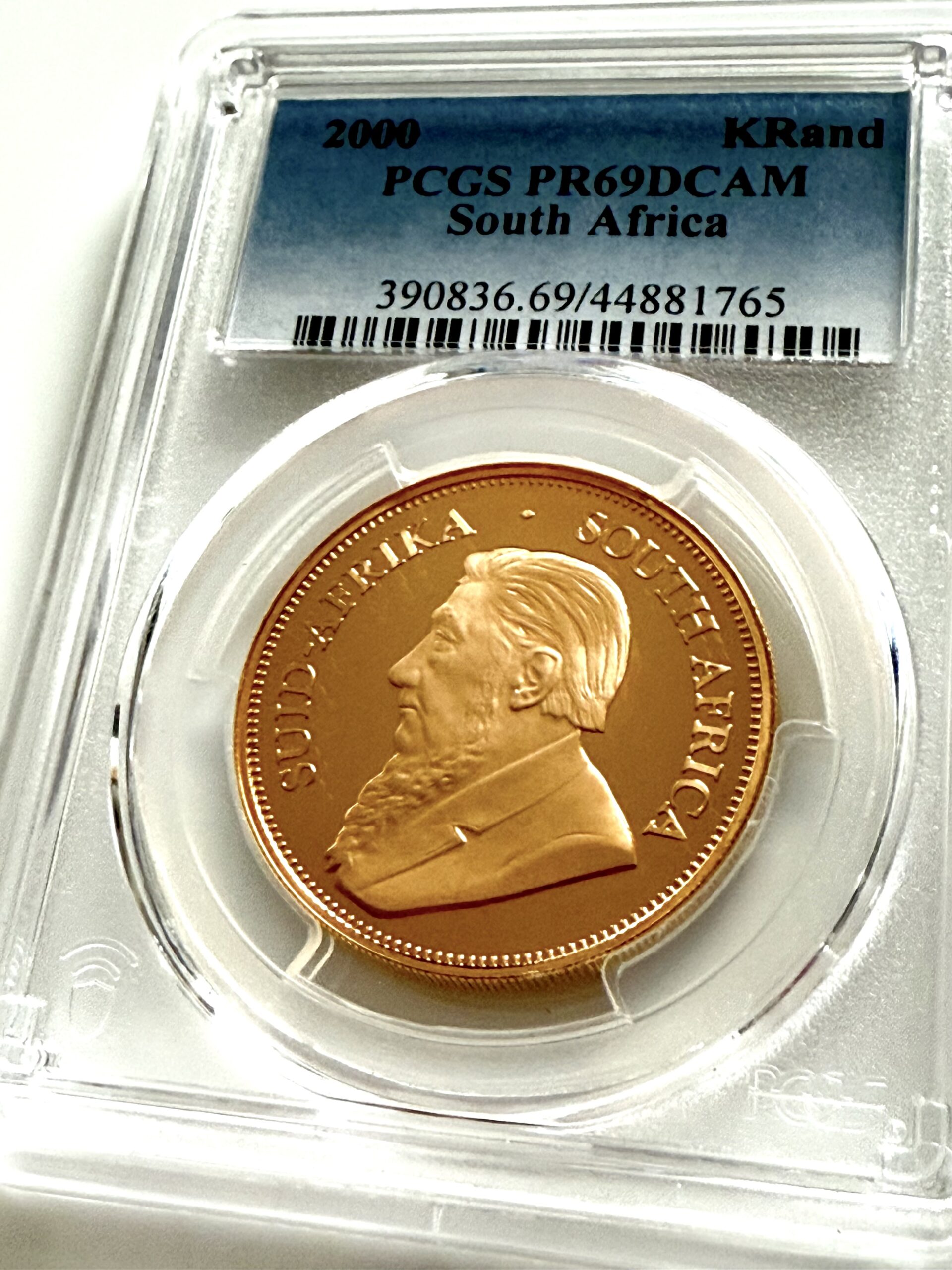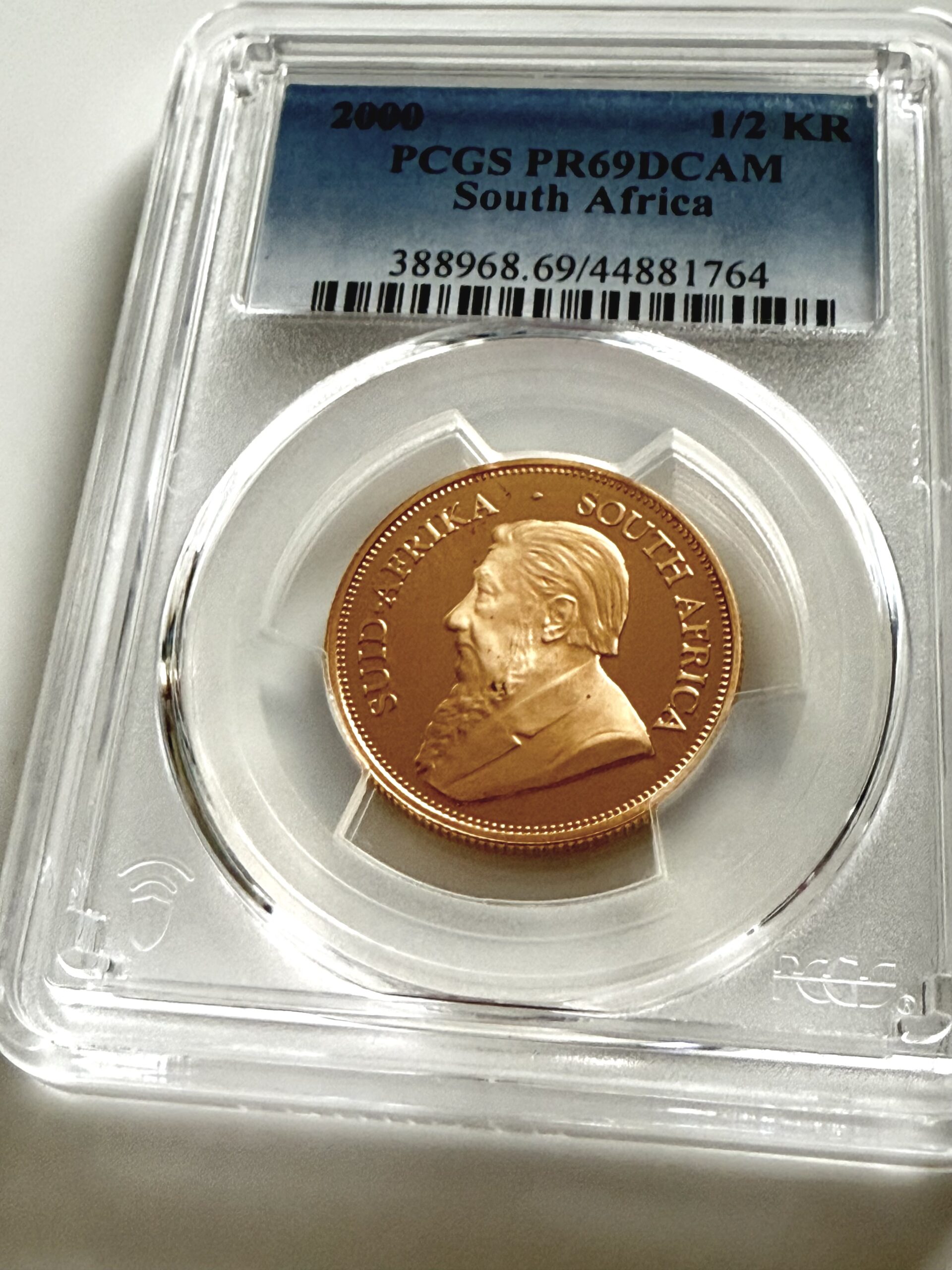

Checking the authenticity of gold coins – how to recognize genuine gold coins
Many collectors and investors ask themselves: How can you tell if a gold coin is genuine? Especially with widely circulated investment coins like the Krugerrand, Maple Leaf or Sovereign, as well as with modern collector’s editions, reliable authentication is crucial to avoid counterfeits and prevent financial losses. This article explains step by step how to check gold coins based on weight, diameter and thickness , which additional tests are useful and when you should have a professional authenticity check carried out by a specialist dealer.
5-point checklist – Checking the authenticity of gold coins (brief overview)
-
Measuring weight – does the result correspond to the official reference value?
-
Check diameter and thickness – deviations are a strong warning sign.
-
Compare embossing details with a magnifying glass – check details, contours and edge lettering.
-
Magnet test as a quick check – gold is not magnetic.
-
If you are unsure, have a professional inspection carried out – measuring instruments will provide clarity.
These steps do not replace laboratory analysis, but they provide a very reliable initial assessment.
Authenticity check via weight, diameter and thickness
The most important basis for any authenticity check is the technical reference data of a coin :
-
Weight
-
diameter
-
thickness
You will typically find these values:
-
in the product descriptions of reputable retailers
-
in official data sheets of the mints
All three parameters must simultaneously correspond to the target values.
Deviations often indicate an incorrect alloy or foreign metals .
Example: Krugerrand Gold 1 oz
-
Total weight: 33.93 g
-
Fineness: 22 carats / 91.667%
-
Fine gold content: 31.103 g
-
Diameter: 32.77 mm
-
Thickness: approx. 2.84 mm
If the weight is correct, but the diameter or thickness deviates , this is an indication of:
-
too low density
-
Addition of cheaper metals
-
possible tungsten or copper cores
The same applies in reverse: if the dimensions are correct, but the weight is too low.
Additional testing methods
Magnet test
Gold is not magnetic .
If the coin moves on the magnet, it is highly likely to be a counterfeit.
Danger:
Many counterfeit products are also made of non-magnetic metals – the magnet test is therefore only a rough indicator.
Check embossing details with a magnifying glass
Details can be checked very well using a magnifying glass or by taking an enlarged photo with a mobile phone:
-
contour sharpness
-
Marginal writing
-
Microstructures
-
Text angle in proof outputs
Unclean lines, blurred edges, or incorrect details are a clear warning sign.
Electronic scales and calipers
A precision scale (0.01 g) and a caliper provide reliable measurements.
Even small deviations can be crucial.
Fineness and alloy composition
Gold coins usually bear a fineness stamp .
However, this alone is not sufficient to confirm authenticity, as it can be forged.
The combination of the following is crucial:
-
Fine weight
-
Dimensions
-
Material density
Avoid chemical tests
The use of vinegar, iodine or other home remedies is strongly discouraged .
These methods can permanently damage the surface and significantly reduce its value.
Professional authenticity check at a specialist retailer
In the following cases you should have a professional inspection carried out:
-
high-priced or rare coins
-
missing documents of origin or purchase
-
visible deviations or suspicious circumstances
Dealers and testing institutes work with, among others:
-
Conductivity and ultrasound measurement
-
X-ray fluorescence analysis (XRF)
-
Density and layer structure tests
These methods are non-destructive and deliver precise results.
Typical fraud risks and warning signs
-
unrealistically low prices
-
Purchase via flea markets, classified ads or anonymous dealers
-
missing invoices or proof of origin
-
conspicuous color or surface texture
Principle:
No professional dealer sells gold below the world market price.
Why you should buy safely at RareCoin
Our shop guarantees that all coins are authentic original products from the mints .
Each coin is checked upon receipt of goods:
-
checked
-
verified
-
documented
We purchase exclusively from trusted, long-established sources .
In our entire company history, we have never had to return a coin because it was counterfeit .
FAQ – Frequently Asked Questions about the Authenticity of Gold Coins
What is the most reliable way to identify a counterfeit gold coin?
The combination of weight, diameter, and thickness is the most important basis for testing.
Is the magnet test sufficient?
No, it is only a quick indicator and does not replace a full inspection.
Are Krugerrand coins frequently counterfeited?
Yes, because of their popularity, copies do occur – so buy with extra care.
Should you perform chemical tests at home?
No, they damage the coin and lower its value.
When should I commission a professional audit?
For high-priced items, rare vintages, or if there are doubts about the origin.
Conclusion
The authenticity of gold coins can be reliably assessed through systematic examination. The combination of dimensions, weight, detailed analysis, and expert inspection is crucial. Anyone collecting or investing in high-quality pieces should only purchase from reputable, certified dealers and, if in doubt, have a professional authentication performed.
Discover the new additions to our gold coin collection in the current range!
-

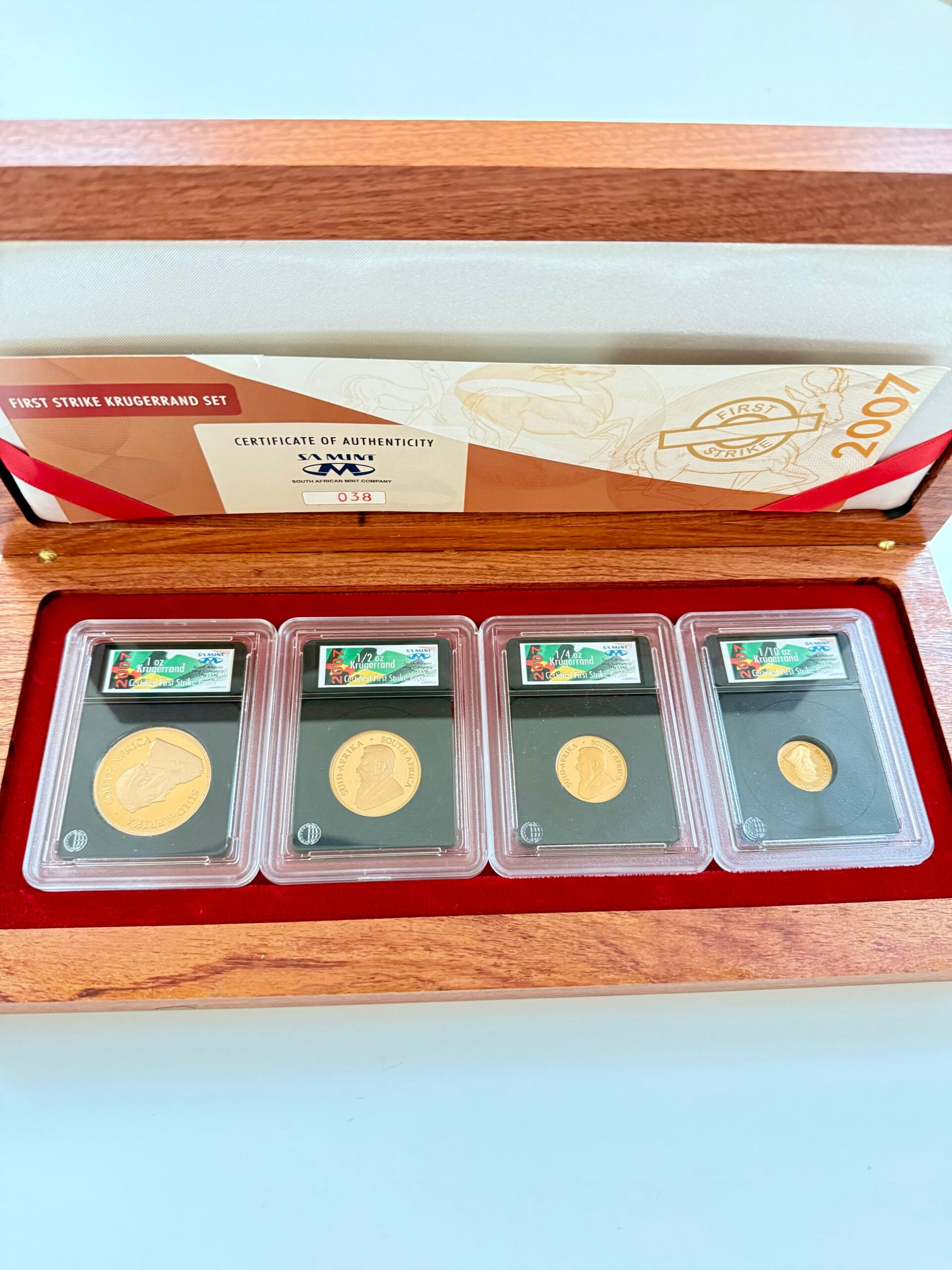
Südafrika – Krügerrand – 2007 – First Strike Gold-Proof Set – 4 Goldmünzen mit Holzbox und Zertifikat
8.600,00 €
Enthält 0% Mwst. befreit gem. §25c UStG
plus Versand
Jetzt entdecken -
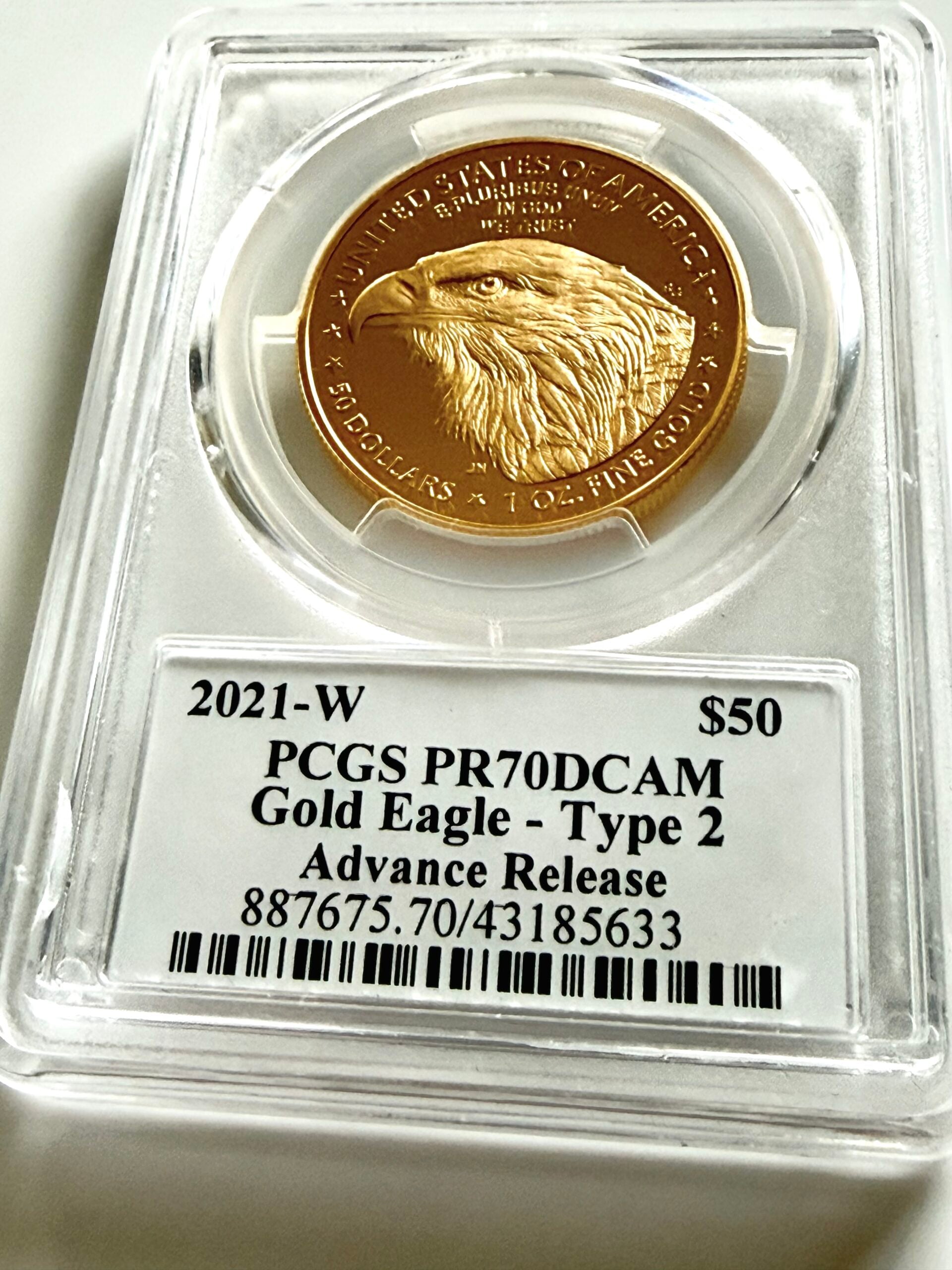
USA – 2021 – 50 Dollar – Gold American Eagle Type 2 – Gold – Proof – PCGS PR70DCAM – Top Pop
4.650,00 €
Enthält 0% Mwst. befreit gem. §25c UStG
plus Versand
Jetzt entdecken -
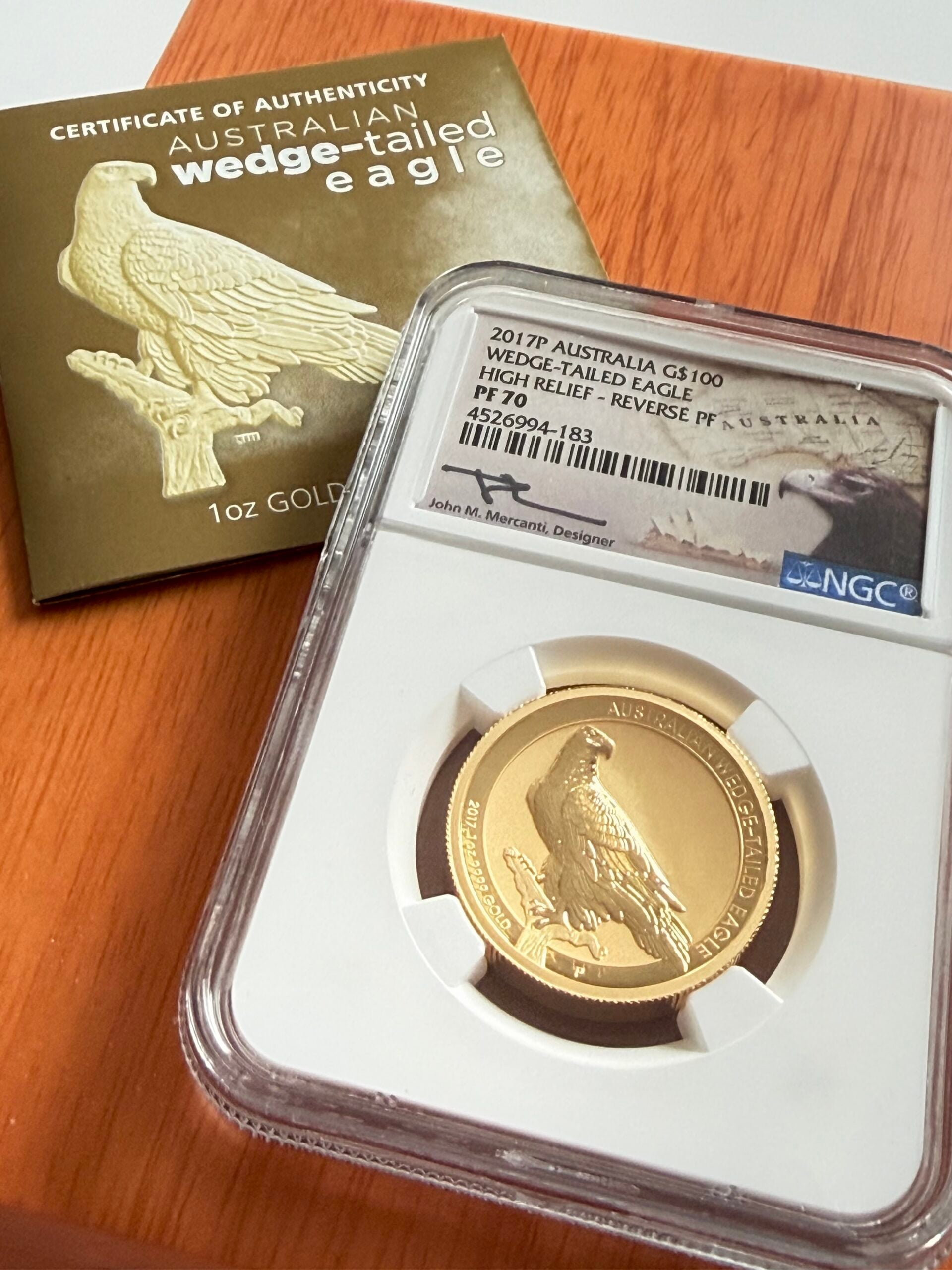
Australien – 2017 – 100 Dollar – Wedge-Tailed Eagle – 1 oz Gold – High Relief Reverse Proof – NGC PF70 – Mercanti Signed Label
4.800,00 €
Enthält 0% Mwst. befreit gem. §25c UStG
plus Versand
Jetzt entdecken -
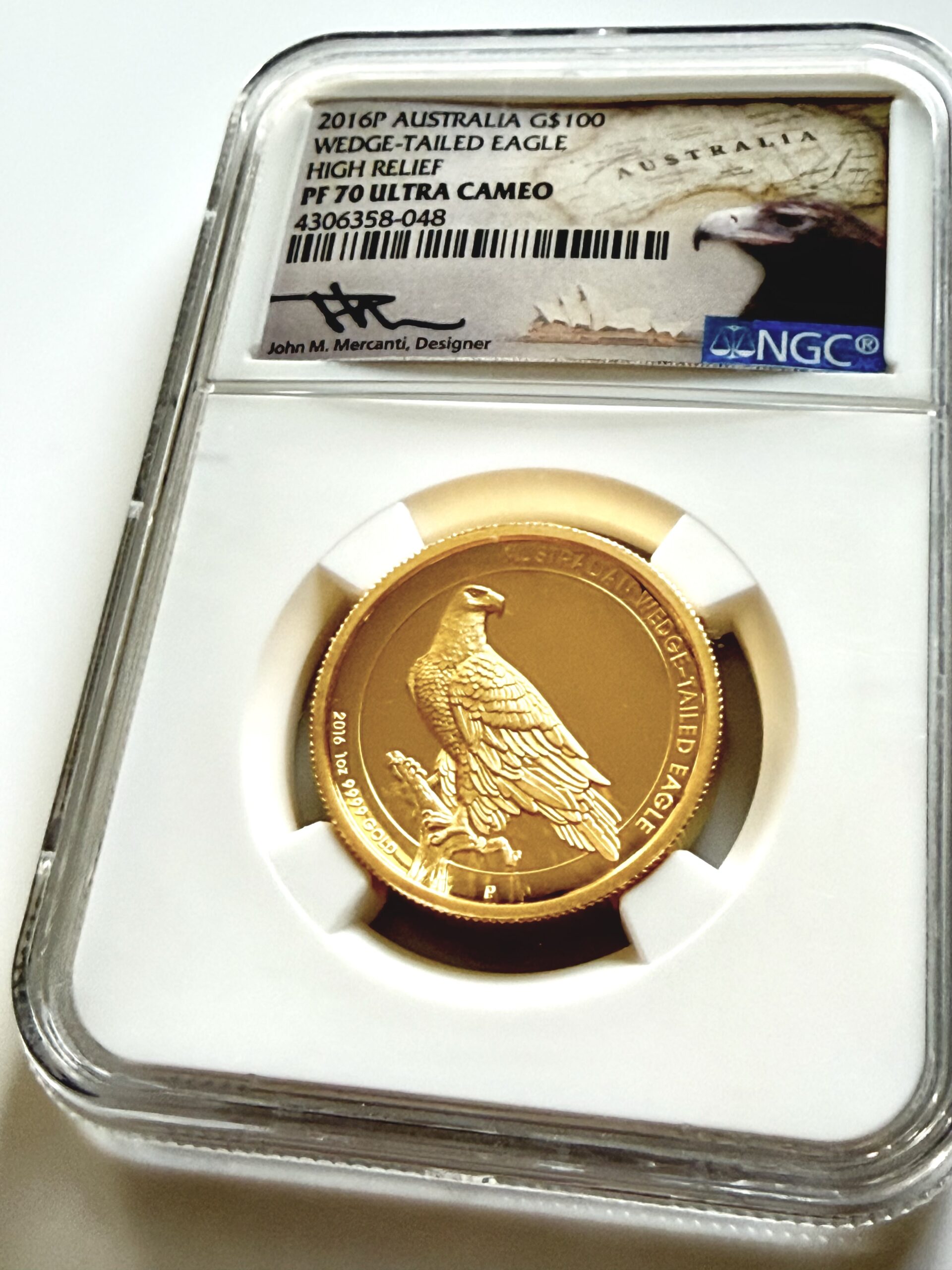
Australien – 2016 – 100 Dollar – Wedge Tailed Eagle – Gold 1 oz Proof High Relief – NGC PF70 UCAM – Mercanti Signed Label
4.800,00 €
Enthält 0% Mwst. befreit gem. §25c UStG
plus Versand
Jetzt entdecken -
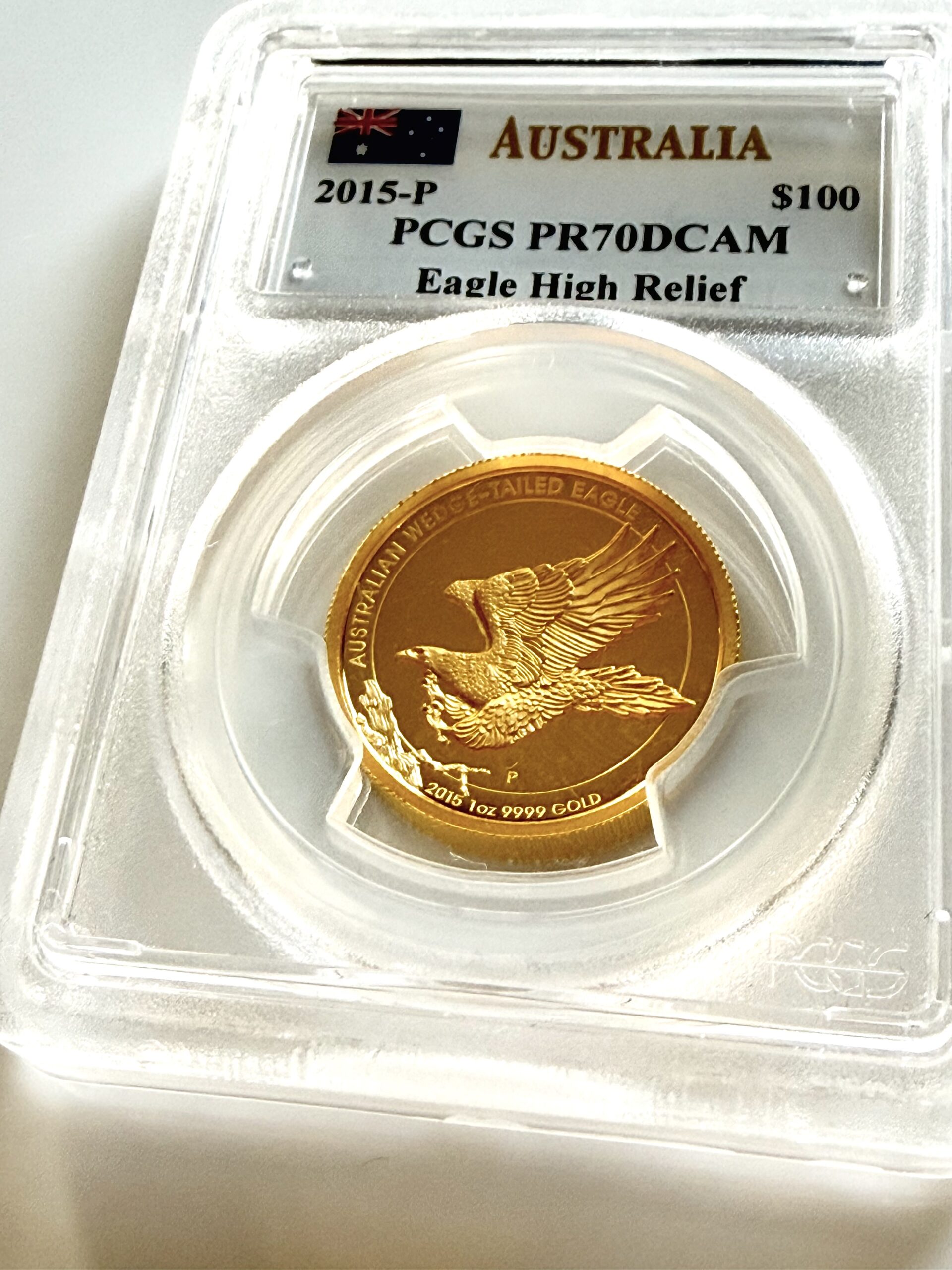
Australien – 2015 – 100 Dollar – Wedge Tailed Eagle – Gold 1 oz Proof High Relief – PCGS PR70 DCAM – Mercanti Signed Label
4.800,00 €
Enthält 0% Mwst. befreit gem. §25c UStG
plus Versand
Jetzt entdecken -
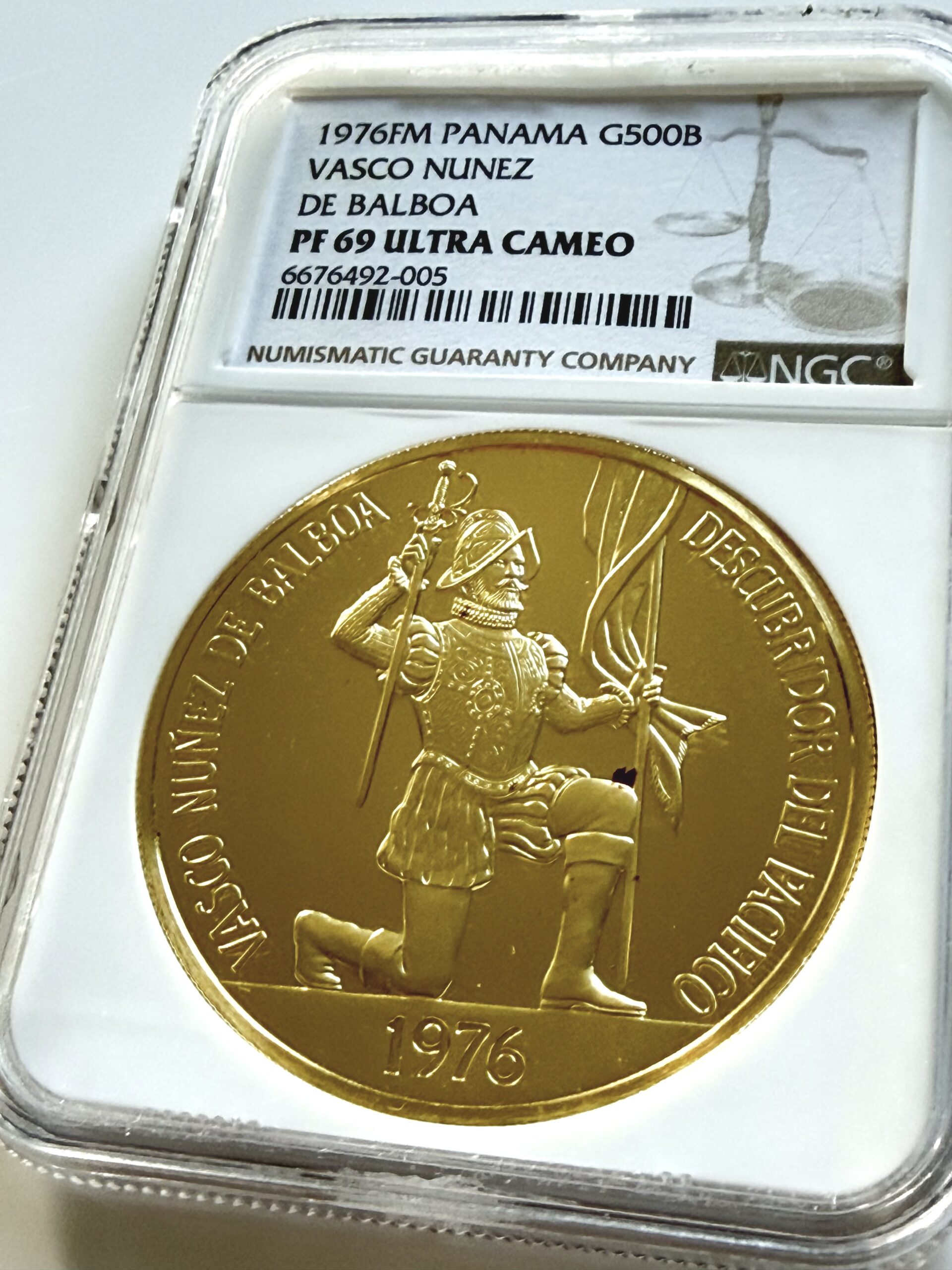
Panama – 1976 – 500 Balboas – 500 Jahre Vasco Núñez de Balboa – Gold Proof – NGC PF69 Ultra Cameo
5.600,00 €
Enthält 0% Mwst. befreit gem. §25c UStG
plus Versand
Jetzt entdecken -
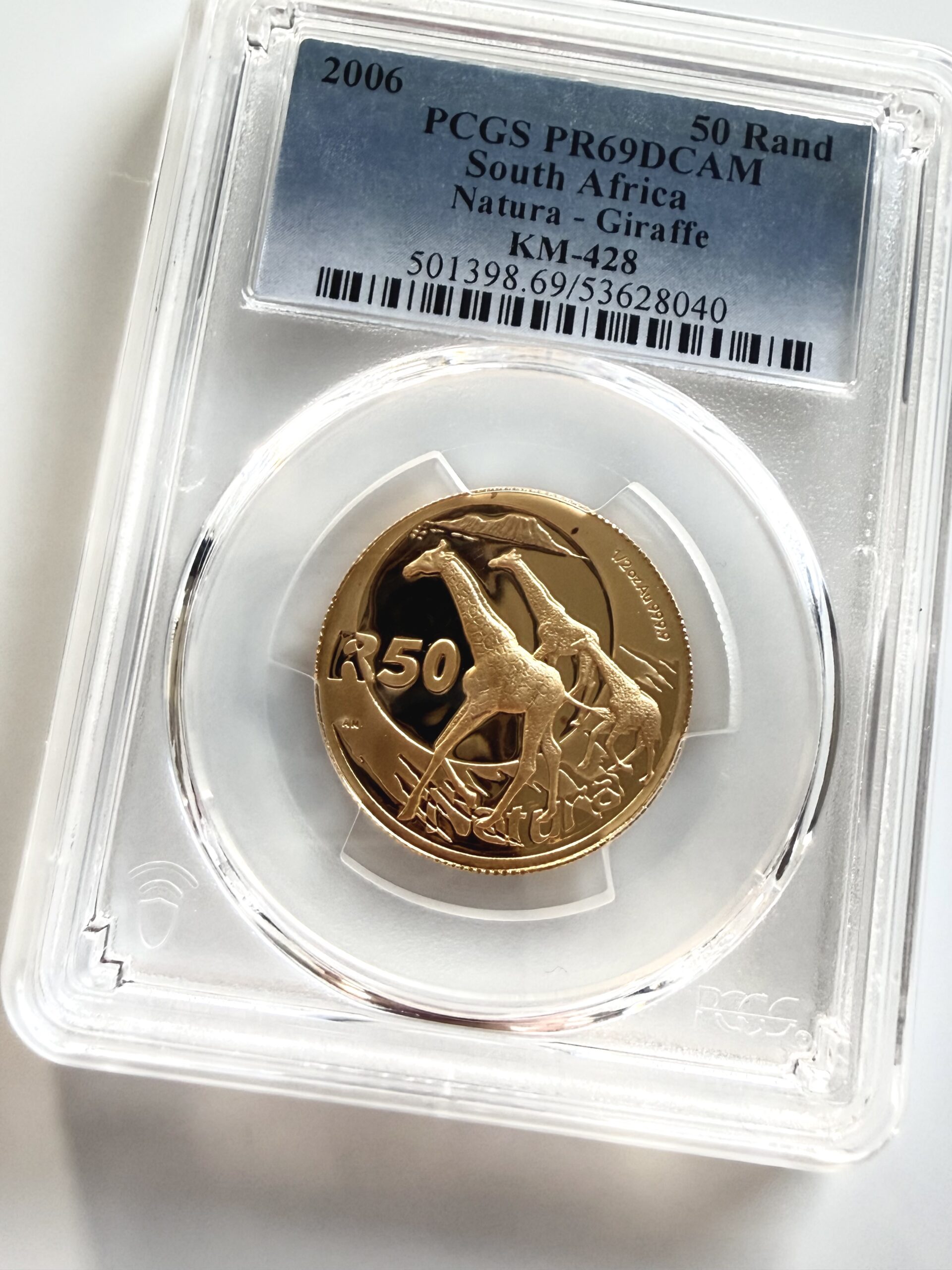
Südafrika – 2006 – Natura – Giraffe – 50 Rand – 1/2 oz Gold Proof – PCGS PR69 DCAM
2.400,00 €
Enthält 0% Mwst. befreit gem. §25c UStG
plus Versand
Jetzt entdecken -
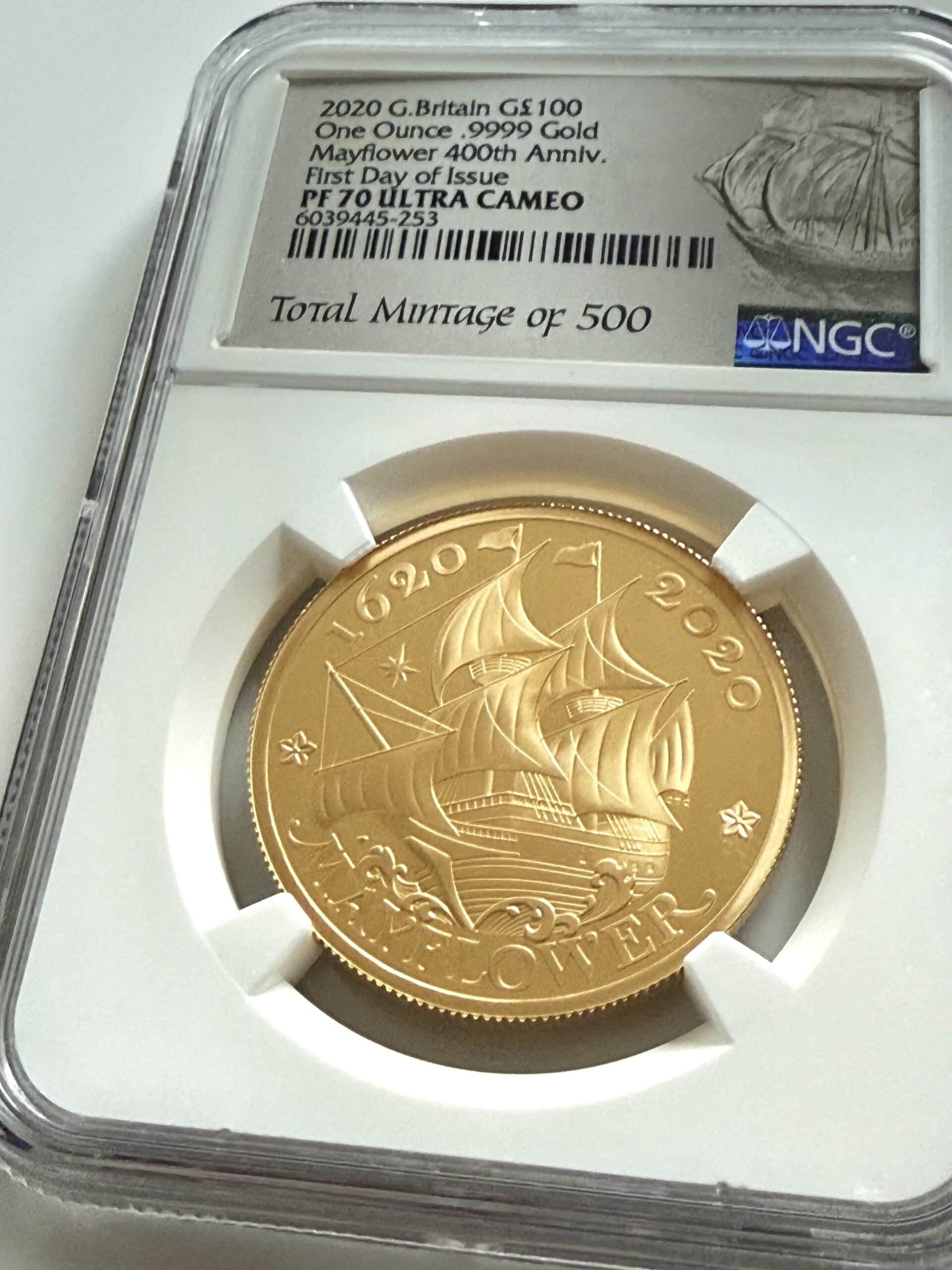
Großbritannien – 2020 – 100 Pfund – Mayflower 400th Anniversary – 1oz Gold Proof – NGC PF70 Ultra Cameo – First Day of Issue
4.500,00 €
Enthält 0% Mwst. befreit gem. §25c UStG
plus Versand
Jetzt entdecken -
Südafrika – Krügerrand – 2000 – 1 oz – Gold – Proof – PCGS PR69 DCAM
4.800,00 €
Enthält 0% Mwst. befreit gem. §25c UStG
plus Versand
Jetzt entdecken -
Südafrika – Krügerrand – 2000 – 1/2 oz – Gold – Proof – PCGS PR69 DCAM
2.350,00 €
Enthält 0% Mwst. befreit gem. §25c UStG
plus Versand
Jetzt entdecken