
Inventorying a gold coin collection – professionally managing NGC and PCGS holdings
For advanced collectors with NGC- or PCGS -certified coins, inventorying a gold coin collection is not an organizational detail, but a strategic tool. Those who work with proof qualities, high MS grades, low populations and conditional rarities need inventory documentation that goes far beyond simple lists.
A professionally managed inventory creates transparency regarding the quality, market position, liquidity, and long-term value potential of each individual coin. At the same time, it forms the basis for insurance, portfolio optimization, estate planning, and structured resale.
1. Complete recording of the certified inventory
The first step is to completely catalog all existing gold coins. For advanced collectors, it is crucial that each individual coin is uniquely identifiable .
Recommended basic data:
-
Country, Year, Face Value
-
Series and motif
-
Metal, weight, fineness
-
Minting quality (Proof, MS, Specimen)
-
Current market value (realistic, not asking price)
This basic data should be maintained consistently and uniformly, ideally in a central digital inventory list.
2. Certification data as the core of inventory management
For NGC and PCGS collections, the certification information forms the core of any professional inventory.
Essential information:
-
Certifier: NGC or PCGS
-
Cert number (machine-readable documentation)
-
More precise grade (e.g., MS67, PF69)
-
Additions such as:
-
Cameo / Ultra Cameo
-
Deep Cameo / DCAM
-
Prooflike / PL / DPL
-
-
Label variant (Standard, Early Releases, First Day of Issue, Signature Label)
-
Current verification status in the NGC or PCGS registry
This information enables clear identification at any time, increases transparency and is of central importance, especially for insurance companies, buyers and heirs.
3. Population Reports and Conditional Rarity document
Advanced collectors should expand their inventory list to include population-related data, as this has a significant impact on market value and demand.
Recommended additional fields:
-
Total population
-
population of higher grades
-
Note regarding Top Pop or Top Grade
-
My own assessment:
-
Absolute rarity
-
Conditional Rarity
-
Market conditional (rarely offered despite existing population)
-
Exemplary documentation:
PCGS MS67, Population 3, none higher. Public market appearances extremely rare, last known sighting over 24 months ago.
Such notes provide real added value and clearly distinguish professional inventory management from simple collector lists.
4. Classification according to collection focus
A structured classification not only makes it easier to maintain an overview, but also facilitates strategic decisions.
Possible classification criteria:
-
Countries or mints
-
Series or thematic focuses
-
Proof vs. Business Strike inventories
-
High-grade key pieces vs. complementary pieces
-
Investment-oriented vs. purely numismatic positions
For larger portfolios, it is also recommended to further subdivide them according to market segments or value classes.
5. Storage and physical allocation
Even with certified coins, a clear allocation between inventory list and physical storage location is essential.
Recommendations:
-
Clear identification of storage locations (safe, bank safe deposit box, external custodian)
-
No mixing of high-quality individual pieces with mass-produced goods
-
Regular visual inspection of the slabs for damage or labeling problems
-
Documentation of re-submissions or new submissions
6. Liquidity assessment and market position
For a strategic collection, it makes sense to also evaluate each coin according to its market liquidity.
Proven classification:
-
A-Liquidity : deployable internationally at any time
-
B-Liquidity : collector-specific, but regularly tradable
-
C-Liquidity : very rare, small buyer base, patience required
This assessment helps with sales decisions, portfolio reallocations, and realistic valuation of the total portfolio.
7. Regular updates and market monitoring
An inventory is not a static document. Market prices, populations, and demand change.
It is recommended that:
-
At least an annual review of the entire inventory
-
Market values are updated in response to significant price movements.
-
Adjustment of liquidity and scarcity valuations
-
Documentation of sales, purchases and exchanges
8. Professional evaluation and external assessment
Especially with high-quality NGC and PCGS collections, regular external appraisals are advisable. A specialized dealer or numismatist can help to assess market trends and realistically value individual items.
A well-maintained inventory list significantly facilitates this process and simultaneously increases the collector’s negotiating position.
Conclusion
For advanced collectors, inventorying a gold coin collection is a key management tool. Those who collect certified gold coins with a focus on quality, rarity, and market position benefit from structured, detailed, and regularly updated inventory documentation.
It creates security, transparency and freedom of choice – and ensures that a high-quality collection is not only aesthetically pleasing, but also strategically convincing.
Discover the new additions to our gold coin collection in the current range!
-

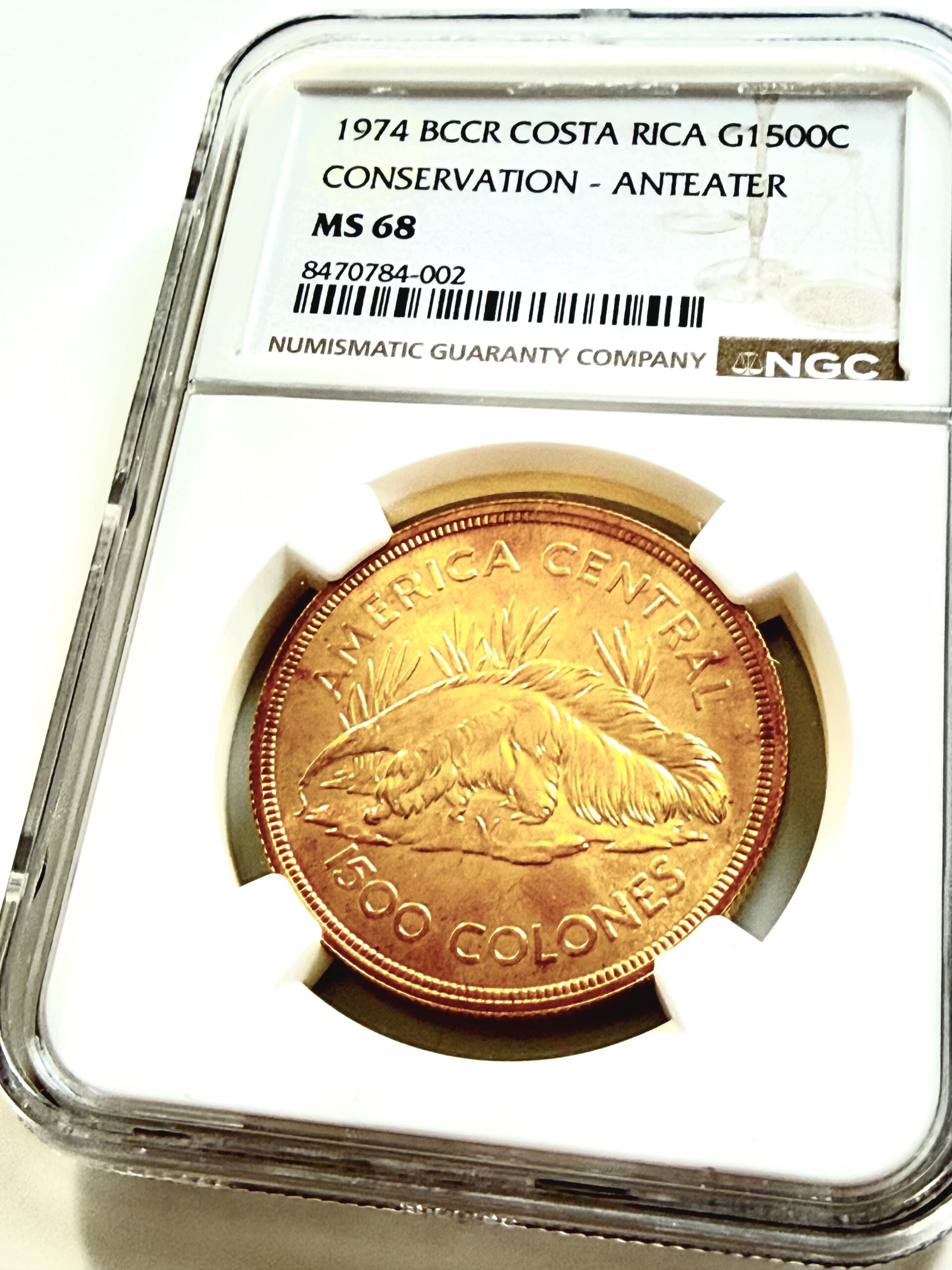
Costa Rica – 1974 – 1500 Colones – Anteater – Conservation Series – Gold – Stempelglanz – NGC MS68
5.050,00 €
Enthält 0% Mwst. befreit gem. §25c UStG
plus Versand
Jetzt entdecken -
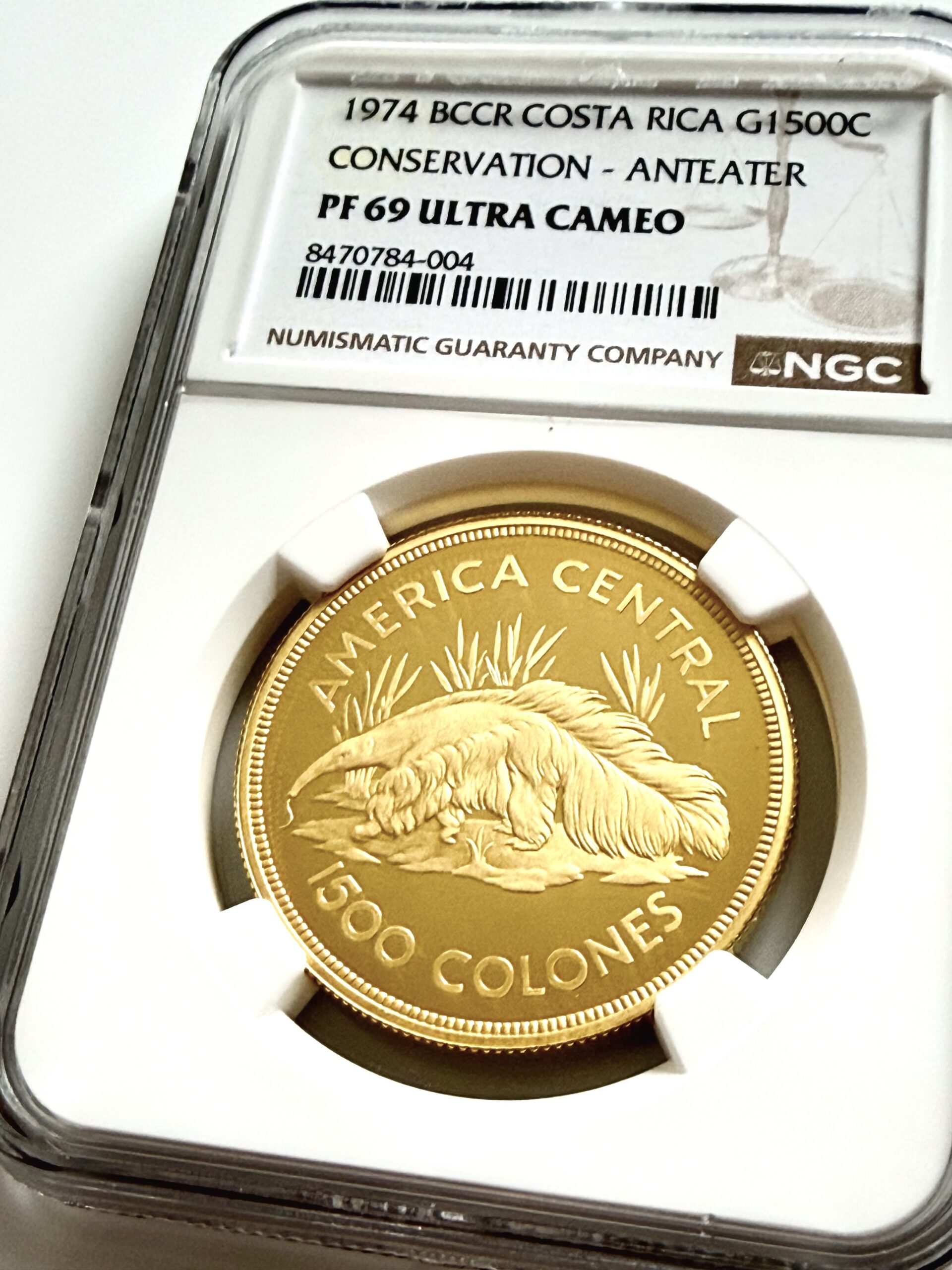
Costa Rica – 1974 – 1500 Colones – Anteater – Conservation Series – Gold – Proof – NGC PF69 Ultra Cameo
5.700,00 €
Enthält 0% Mwst. befreit gem. §25c UStG
plus Versand
Jetzt entdecken -
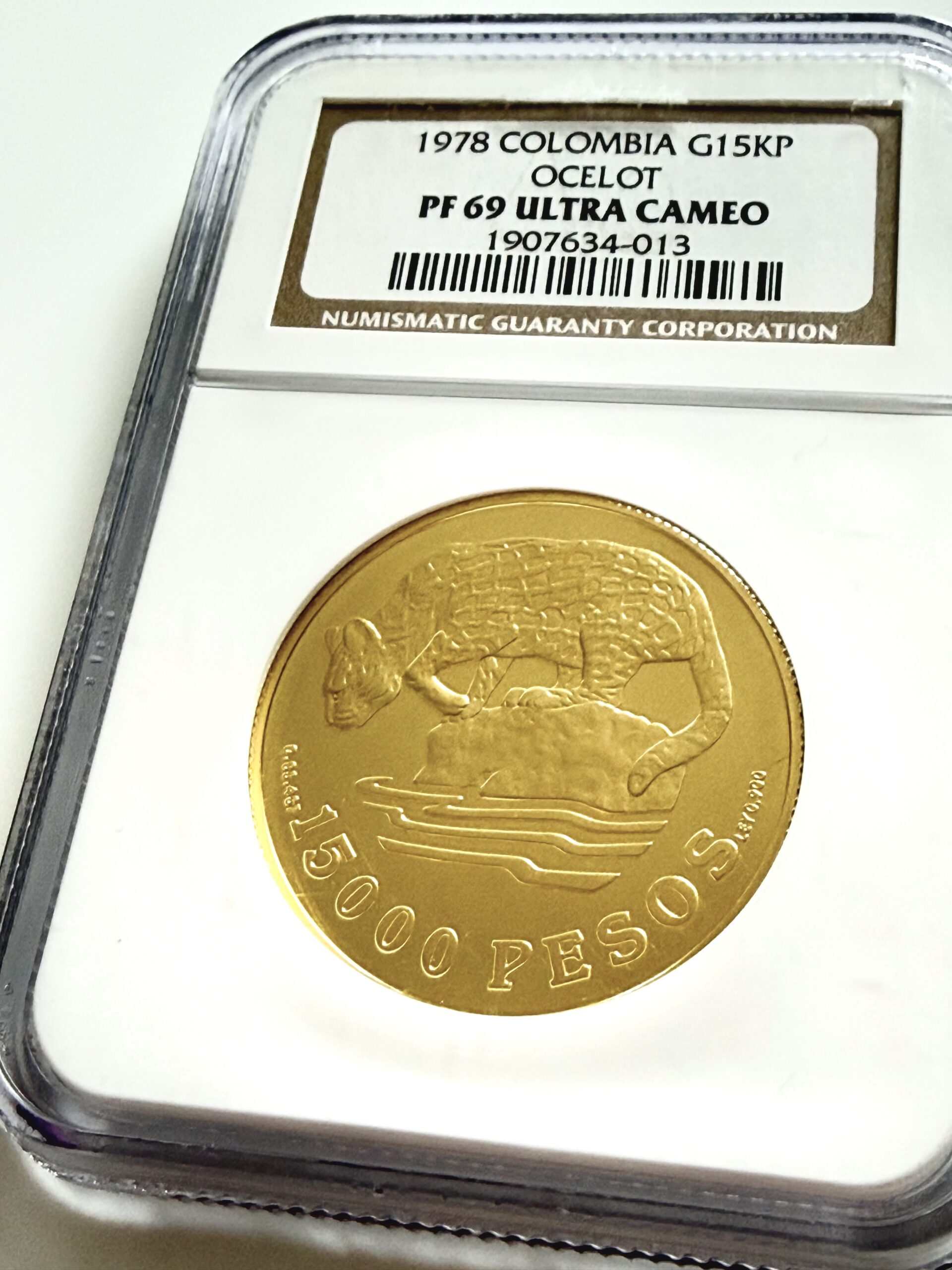
Kolumbien – 1978 – 15000 Pesos – Ocelot – Conservation Series – Gold – Proof – NGC PF69 Ultra Cameo
5.500,00 €
Enthält 0% Mwst. befreit gem. §25c UStG
plus Versand
Jetzt entdecken -
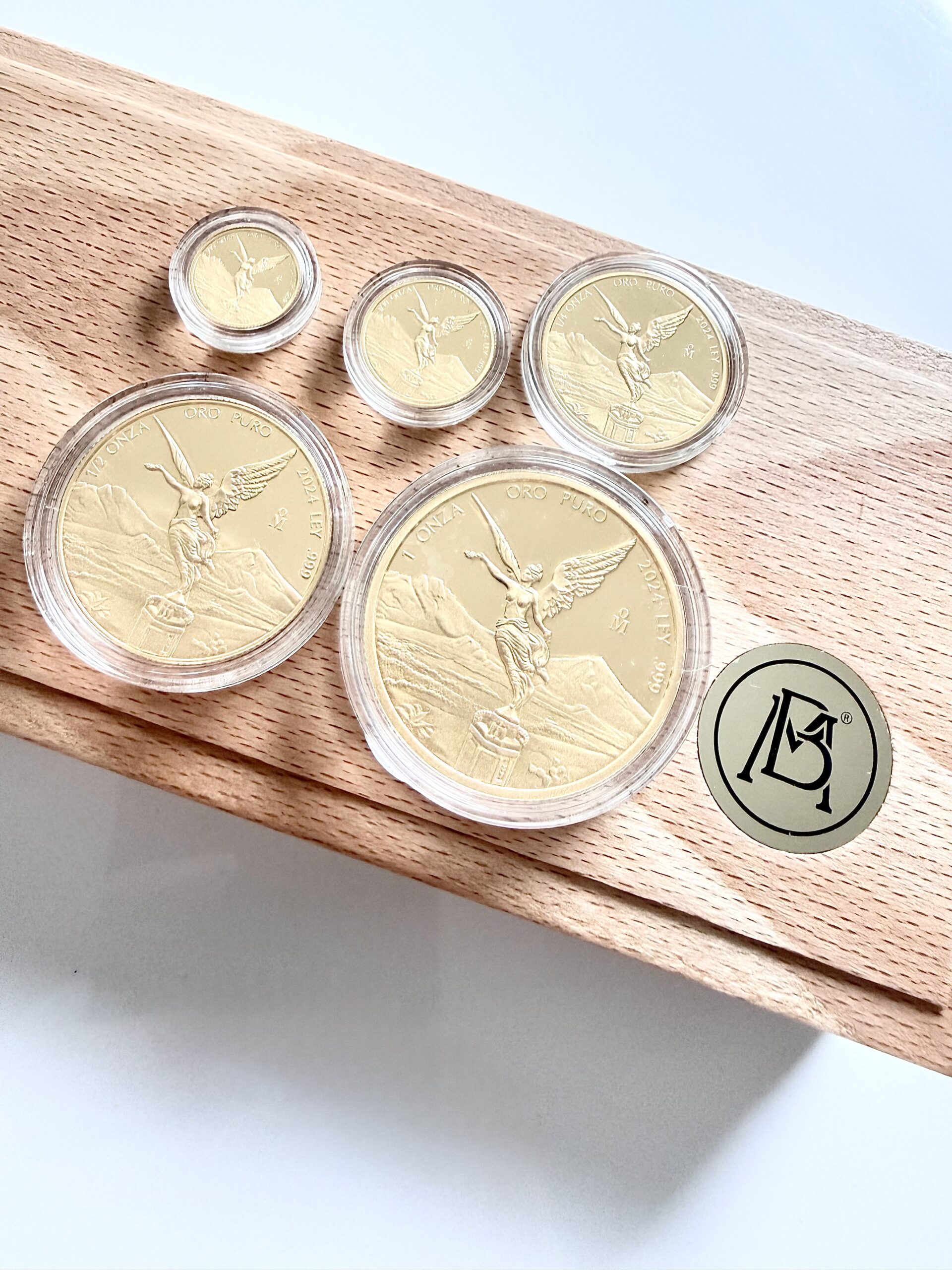
Mexiko – 2024 – Libertad – Gold Proof Set – 1.9 oz – 5 Goldmünzen – Box und COA
8.500,00 €
Enthält 0% Mwst. befreit gem. §25c UStG
plus Versand
Jetzt entdecken -
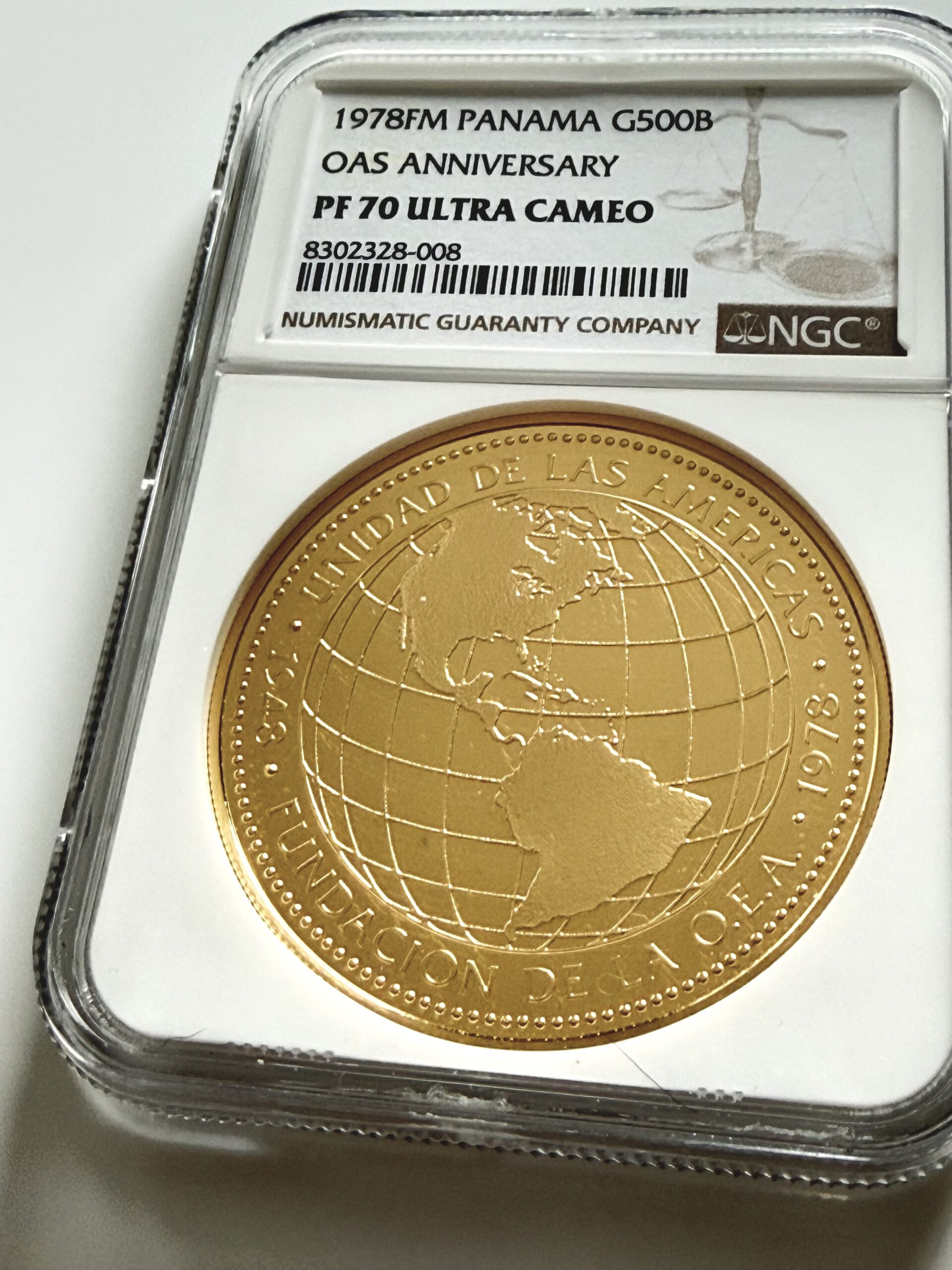
Panama – 1978 – 500 Balboas – 30. Jahrestag OAS – Gold – Proof – NGC PF70 UCAM – Top Pop
5.850,00 €
Enthält 0% Mwst. befreit gem. §25c UStG
plus Versand
Jetzt entdecken -
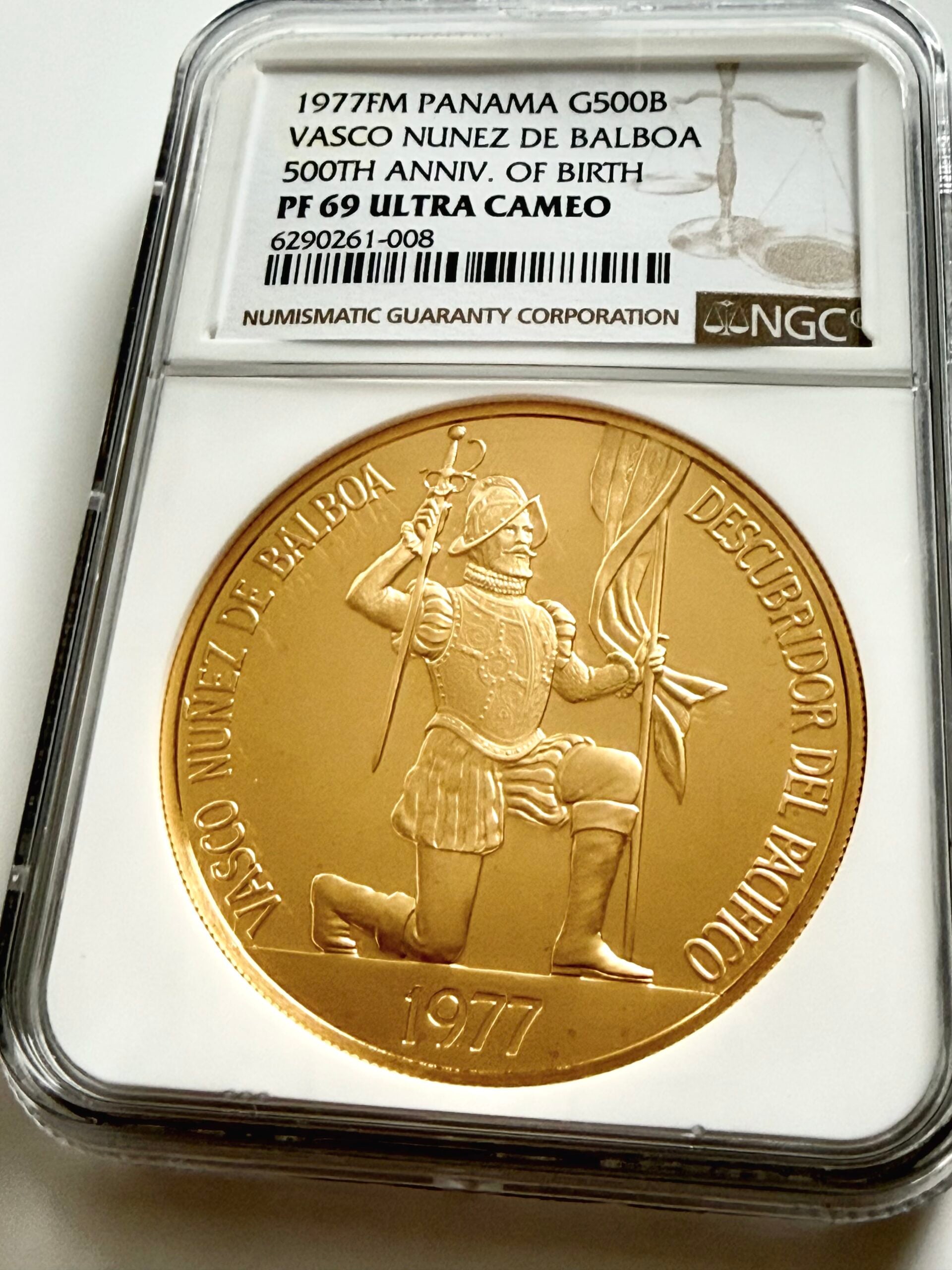
Panama – 1977 – 500 Balboas – 500. Geburtstag Vasco Nunez de Balboa – Gold – Proof – NGC PF69 UCAM
5.850,00 €
Enthält 0% Mwst. befreit gem. §25c UStG
plus Versand
Jetzt entdecken -
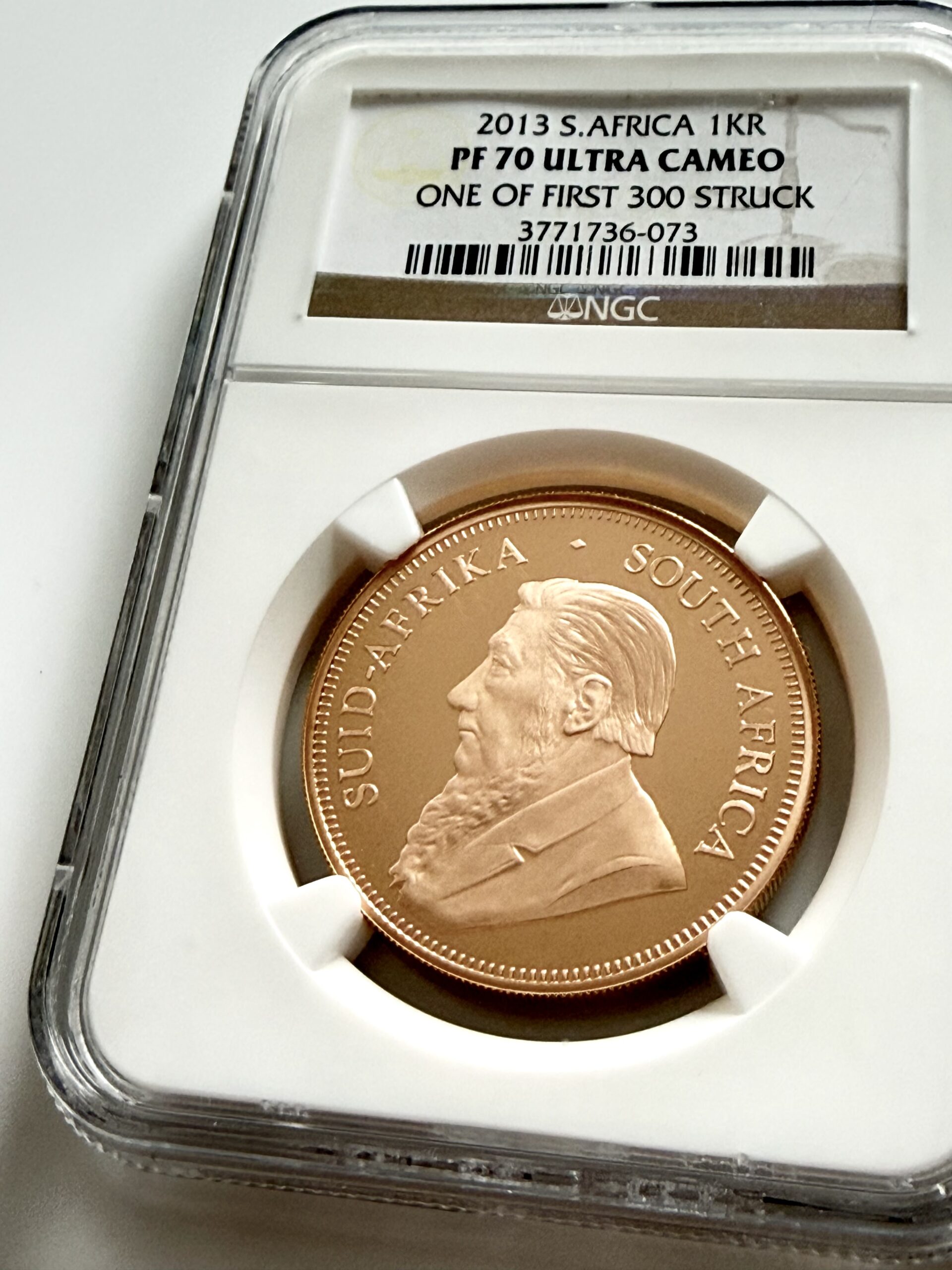
Südafrika – 2013 – Krügerrand – 1oz – Gold – Proof – NGC PF70 UCAM – Top Pop
4.700,00 €
Enthält 0% Mwst. befreit gem. §25c UStG
plus Versand
Jetzt entdecken -
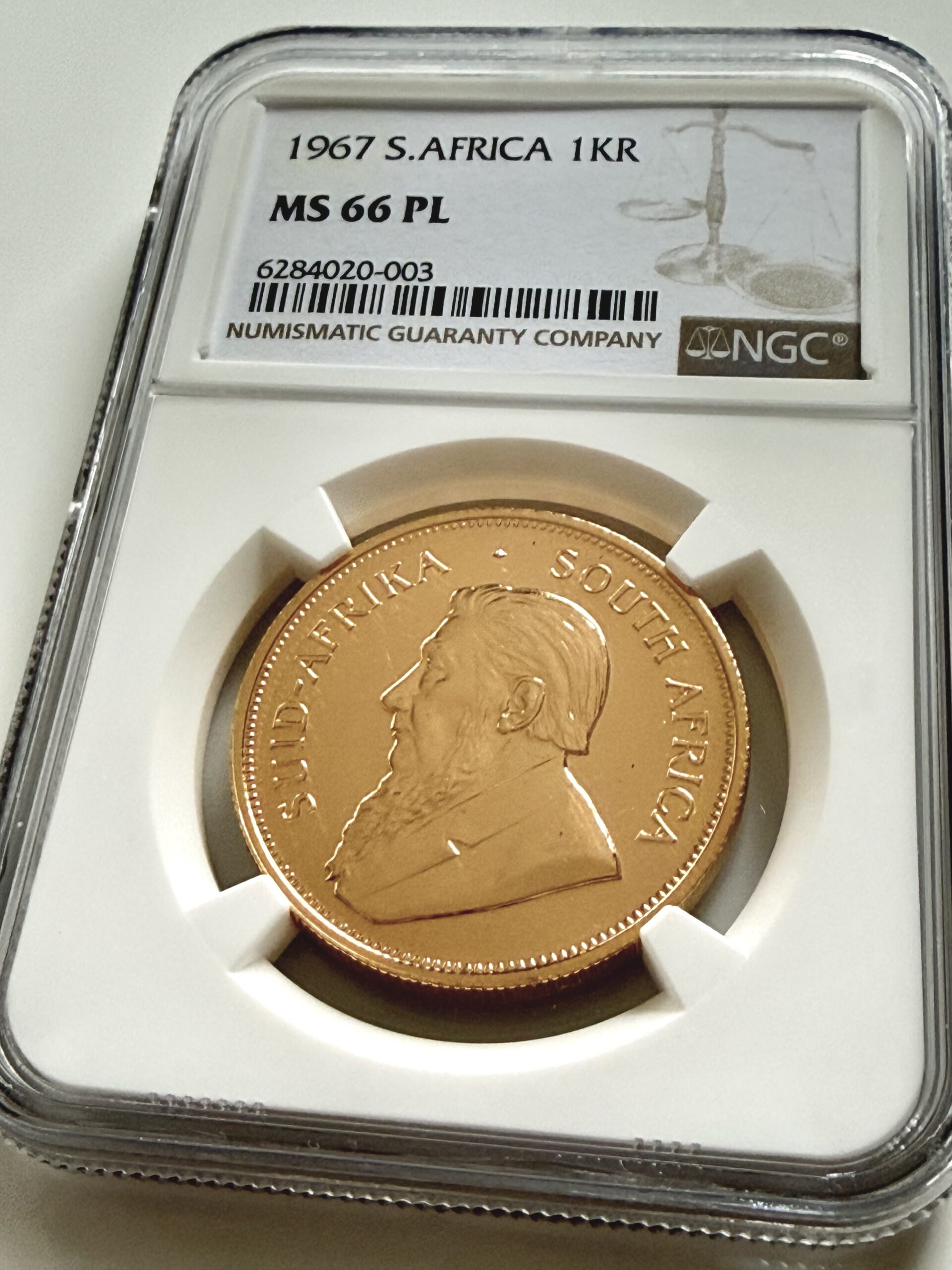
Südafrika – 1967 – Krügerrand – 1oz – Gold – Prooflike – NGC MS66 PL
5.600,00 €
Enthält 0% Mwst. befreit gem. §25c UStG
plus Versand
Jetzt entdecken -
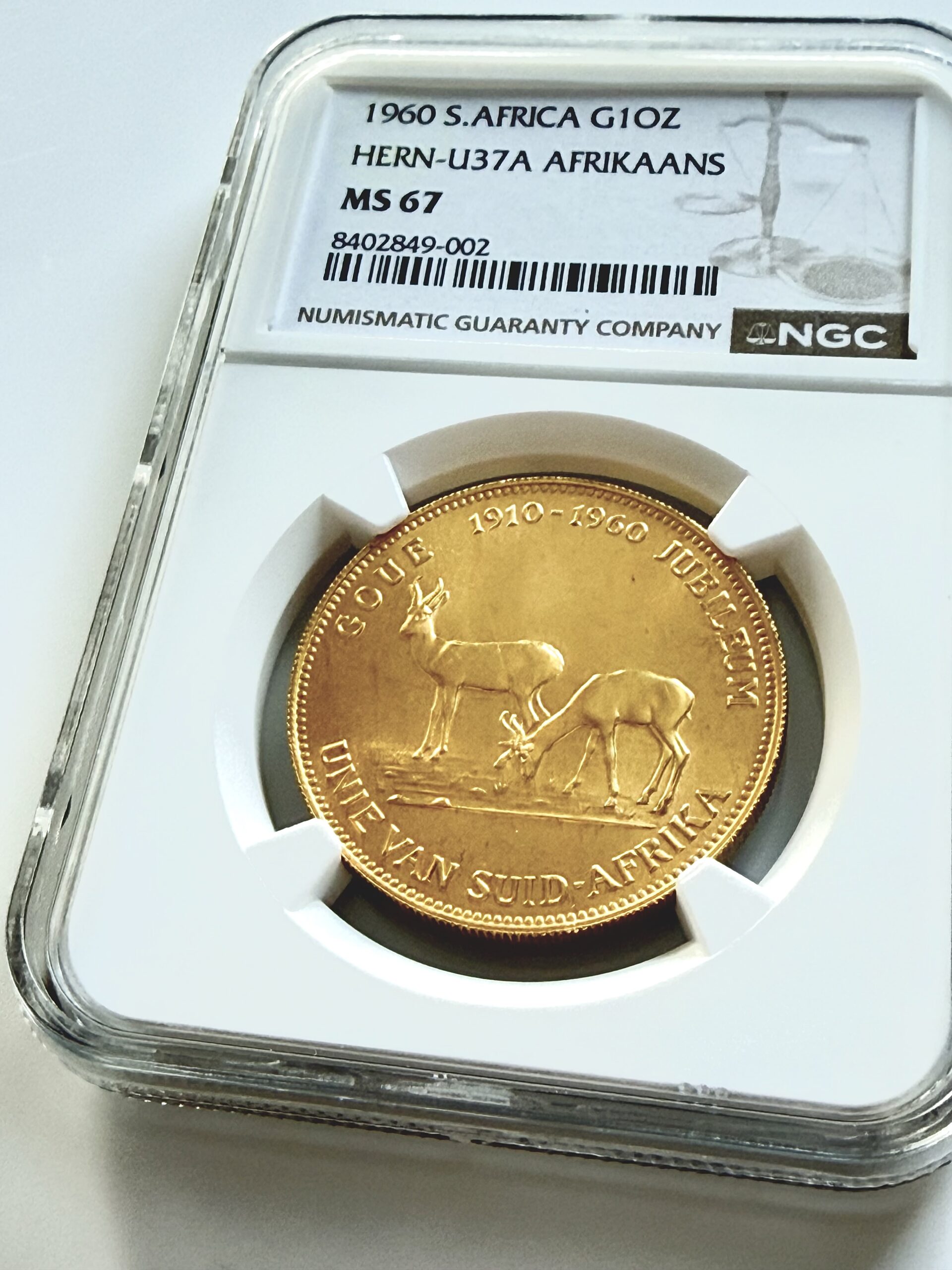
Südafrika – 1960 – 1oz – Chamber of Mines Golden Jubilee – Gold – Stempelglanz – NGC MS67
6.300,00 €
Enthält 0% Mwst. befreit gem. §25c UStG
plus Versand
Jetzt entdecken -
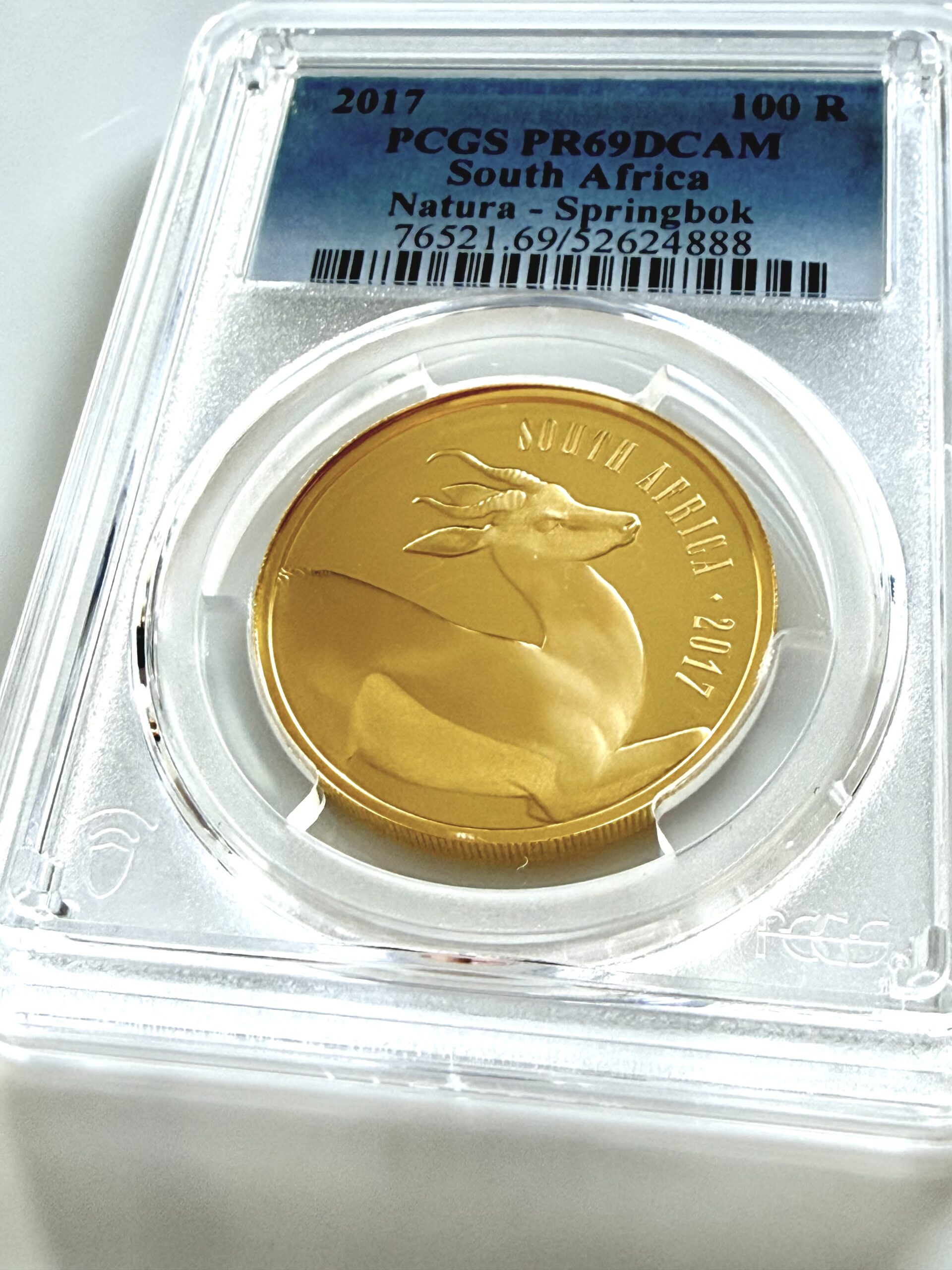
Südafrika – 2017 – 100 Rand – Natura Springbok – Gold 1oz – Proof – PCGS PR69 DCAM – Top Pop
5.950,00 €
Enthält 0% Mwst. befreit gem. §25c UStG
plus Versand
Jetzt entdecken