
Inheritance of a coin collection: Thoughts and practical advice on bequeathing a gold coin collection
A gold coin collection is far more than a material asset. It represents passion, knowledge, and often decades of careful selection. However, at some point, an unavoidable question arises: What happens to the gold coin collection upon inheritance?
Those who address this topic early on not only make organizational and legal decisions easier for their heirs, but also protect the intangible and financial value of the collection.
Inheriting gold coins: More than just a tangible asset
Gold coins combine several levels of value:
-
material value due to the gold content
-
Collector’s value due to rarity, condition and demand
-
emotional value through personal history and meaning
This combination is often difficult for heirs to assess. Without preparation, there is a risk that valuable collections will be misvalued, sold at a disadvantage, or simply underestimated.
Typical questions in the case of inheritance of a coin collection
Heirs often face the same uncertainties :
-
Which coins are purely investment coins, and which are true collector’s items?
-
What prices are realistic?
-
Should it be sold, kept, or gradually divested?
-
Who is a reliable contact person?
The better these questions are clarified in advance , the lower the risk of wrong decisions.
Preparation: What collectors absolutely must take care of
Anyone who wants to responsibly pass on their gold coin collection should document and structure a few basic points.
1. Completely record the collection
Create a detailed overview of your coins, ideally using:
-
Country, Year, Face Value
-
Metal, weight, fineness
-
Special features (proof, edition, certification)
2. Document purchase data
Write down:
-
Purchase price
-
Purchase date
-
Source
This helps heirs better understand value trends and market logic.
3. Check the current insured value
A regularly updated assessment of the insured value protects against underinsurance and creates transparency.
4. Take high-quality photos
Professional or at least very clear photos make it easier:
-
ID
-
Evaluation
-
later sales decisions
5. Determine safe storage
Document where and how the collection is stored, e.g.:
-
Bank safe deposit box
-
private safe
-
external security provider
6. Designate a contact person
Specifically, do you recommend:
-
a specialized dealer
-
a reputable auction house
-
or a designated contact person
This saves heirs from lengthy research in an emotionally stressful situation.
7. Outline the sales strategy
Not every collection is suitable for the same approach. The following might be useful:
-
direct sale of individual pieces
-
staggered sale
-
Auction consignment
A brief assessment from you will provide guidance.
Why preparation is an act of responsibility
A well-prepared coin collection retains its value across generations. It allows heirs to make informed decisions rather than under pressure . At the same time, respect for the history and significance of the collection is preserved.
Passing on a gold coin collection is therefore not only a transfer of assets, but also a silent dialogue between generations.
Classification from the perspective of experienced collectors
Many collectors start alone and later wonder how their life’s work should continue. Other families, on the other hand, cultivate collecting across generations. In both cases, it becomes clear: transparency, documentation, and clear recommendations are key to ensuring that a collection does not lose its value or significance.
Discover the new additions to our gold coin collection in the current range!
-

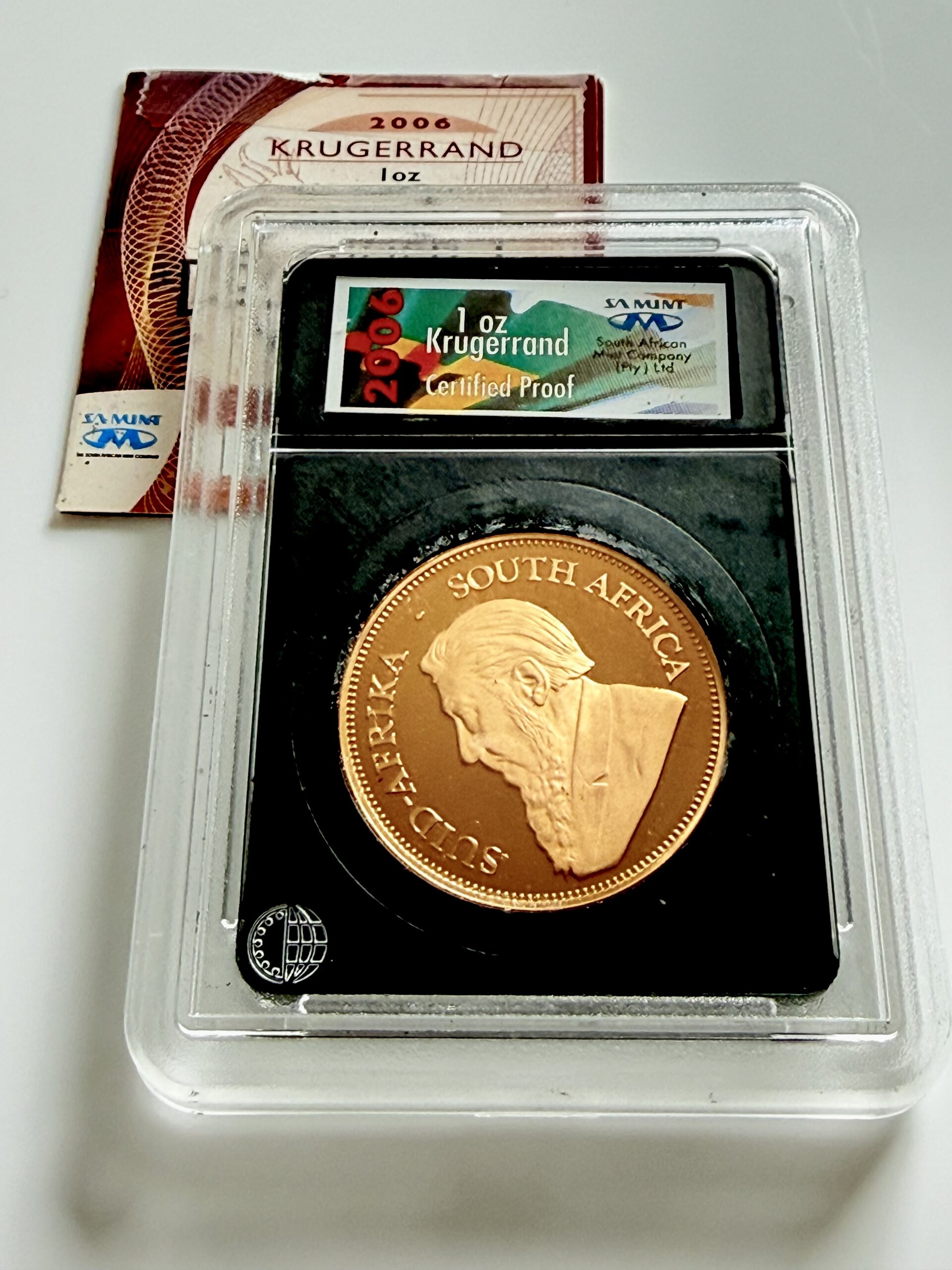
Südafrika – 2006 – Krügerrand – 1oz Proof Gold – Certified Proof – mit Zertifikat
5.300,00 €
Enthält 0% Mwst. befreit gem. §25c UStG
plus Versand
Jetzt entdecken -
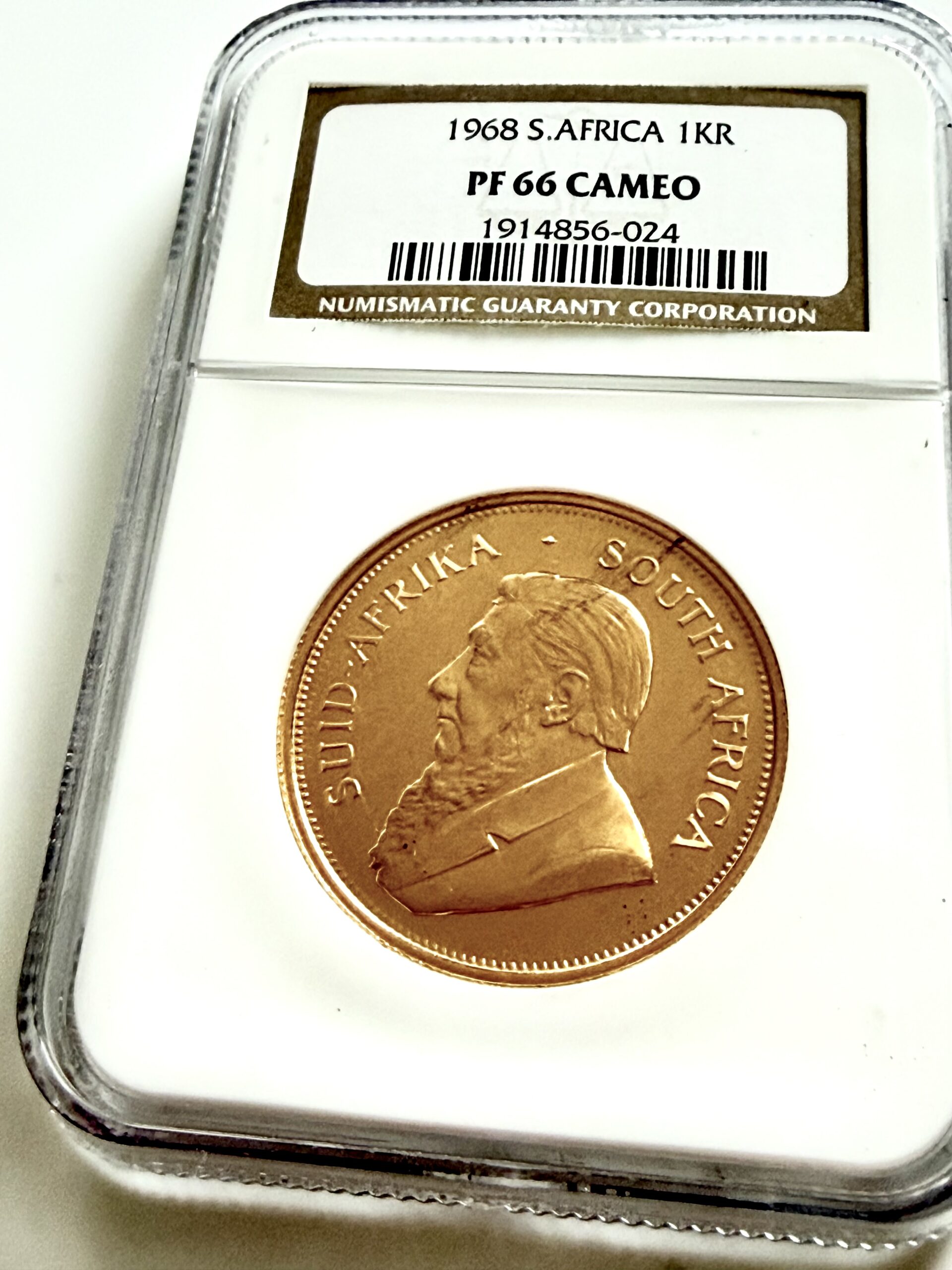
Südafrika – 1968 – Krügerrand – 1oz Gold Proof – NGC PF66 Cameo
6.600,00 €
Enthält 0% Mwst. befreit gem. §25c UStG
plus Versand
Jetzt entdecken -
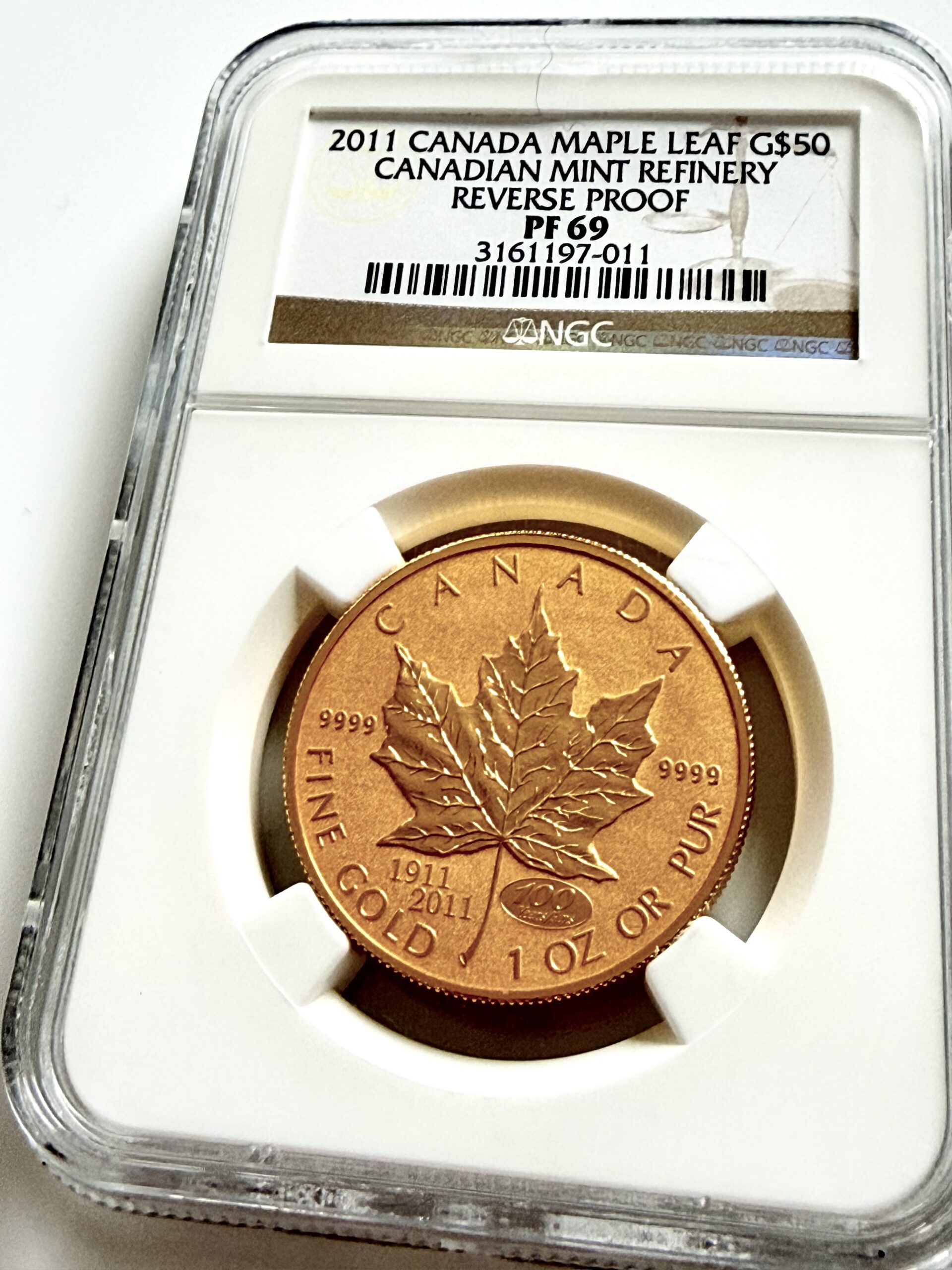
Kanada – 2011 – 50 Dollars – Maple Leaf – Canadian Mint Refinery – 100 Jahre Privy Mark – Gold – Reverse Proof – NGC PF69
5.500,00 €
Enthält 0% Mwst. befreit gem. §25c UStG
plus Versand
Jetzt entdecken -
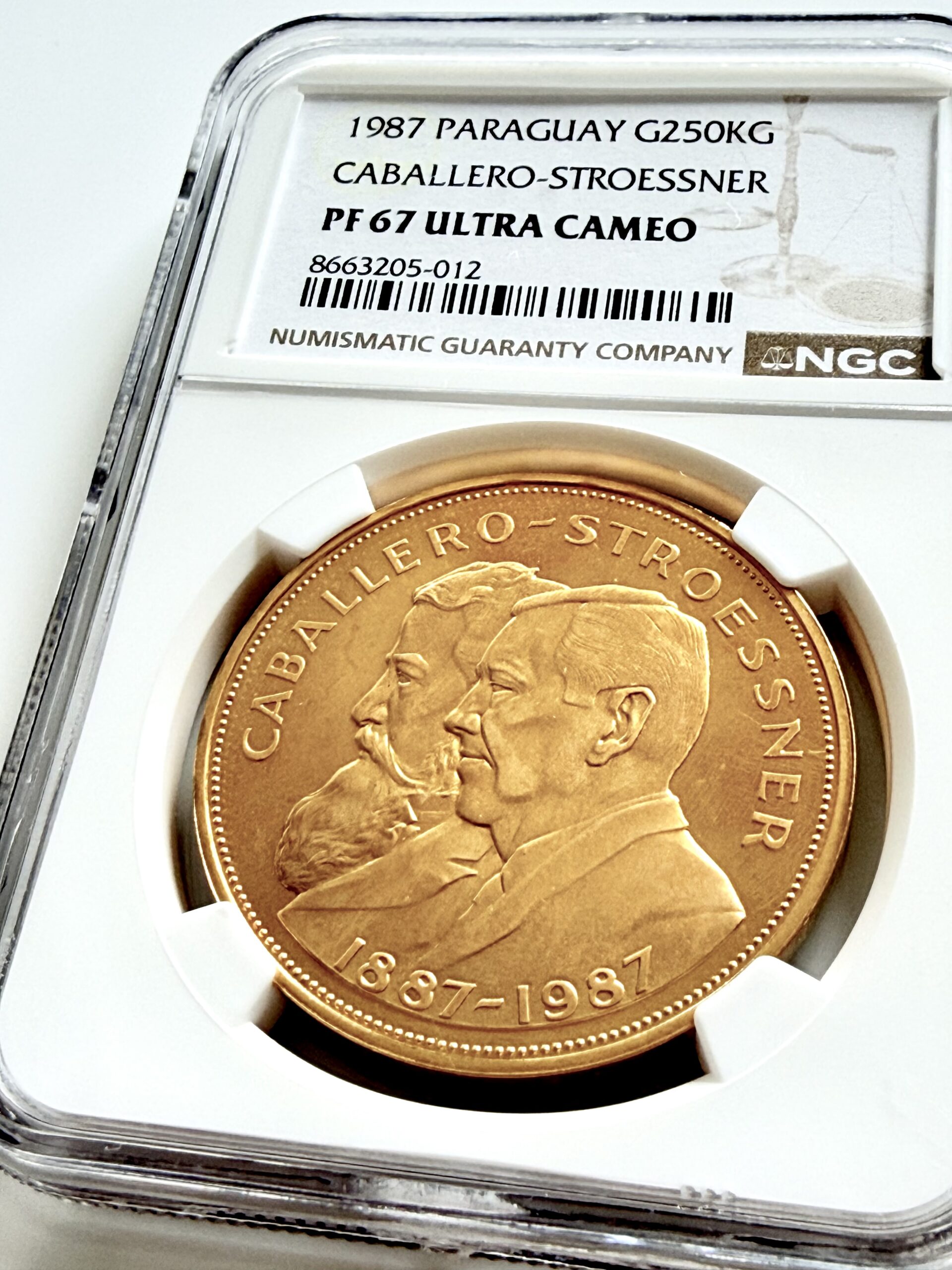
Paraguay – 1987 – 250.000 Guaranies – Caballero-Stroessner – Gold – Proof – NGC PF67 Ultra Cameo
8.500,00 €
Enthält 0% Mwst. befreit gem. §25c UStG
plus Versand
Jetzt entdecken -
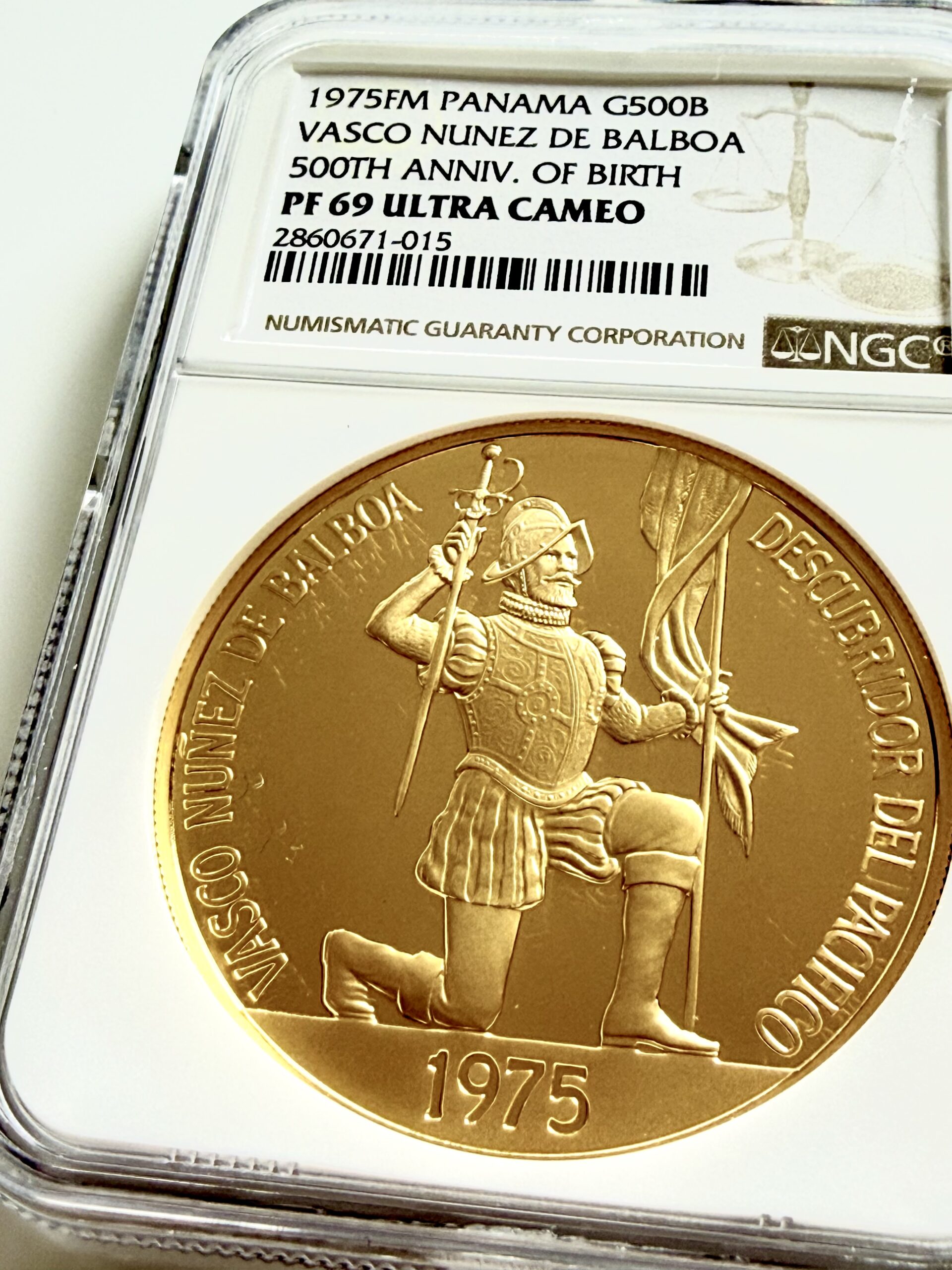
Panama – 1975 – 500 Balboas – Vasco Núñez de Balboa 500th Anniversary of Birth – Gold – Proof – NGC PF69 Ultra Cameo
6.200,00 €
Enthält 0% Mwst. befreit gem. §25c UStG
plus Versand
Jetzt entdecken -
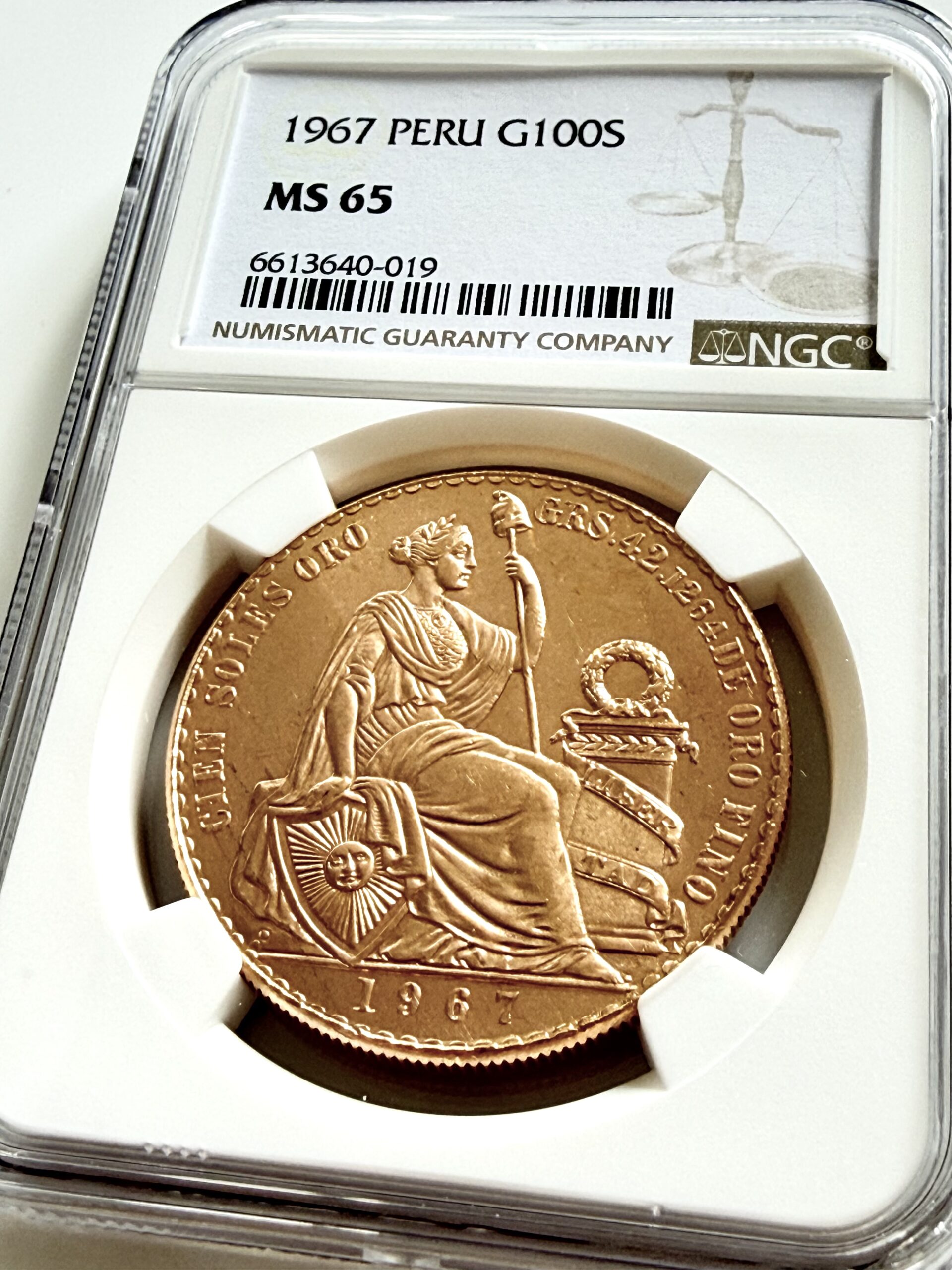
Peru – 1967 – 100 Soles – Seated Liberty – Gold – NGC MS65
7.500,00 €
Enthält 0% Mwst. befreit gem. §25c UStG
plus Versand
Jetzt entdecken -
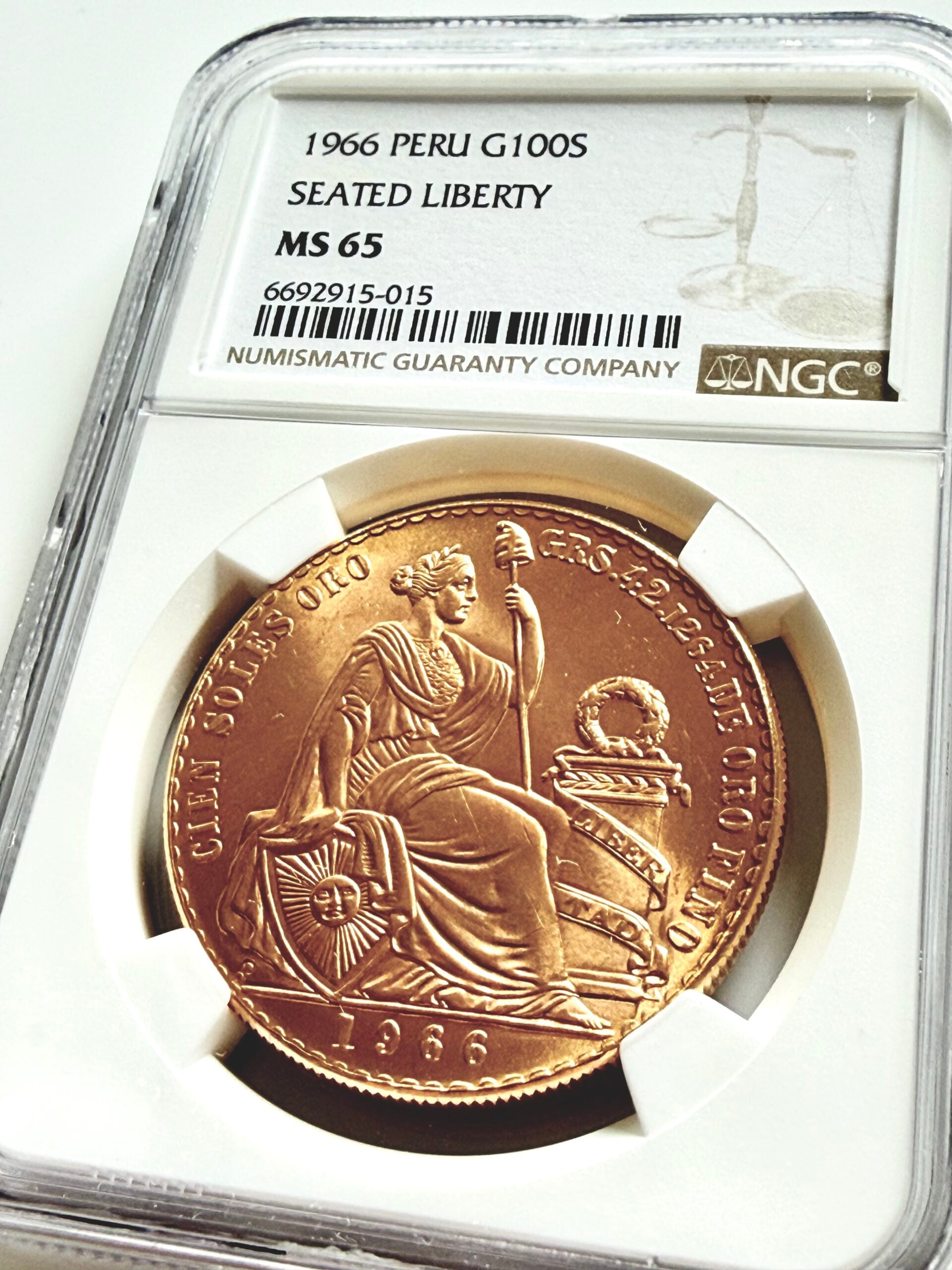
Peru – 1966 – 100 Soles – Seated Liberty – Gold – NGC MS65
7.500,00 €
Enthält 0% Mwst. befreit gem. §25c UStG
plus Versand
Jetzt entdecken -
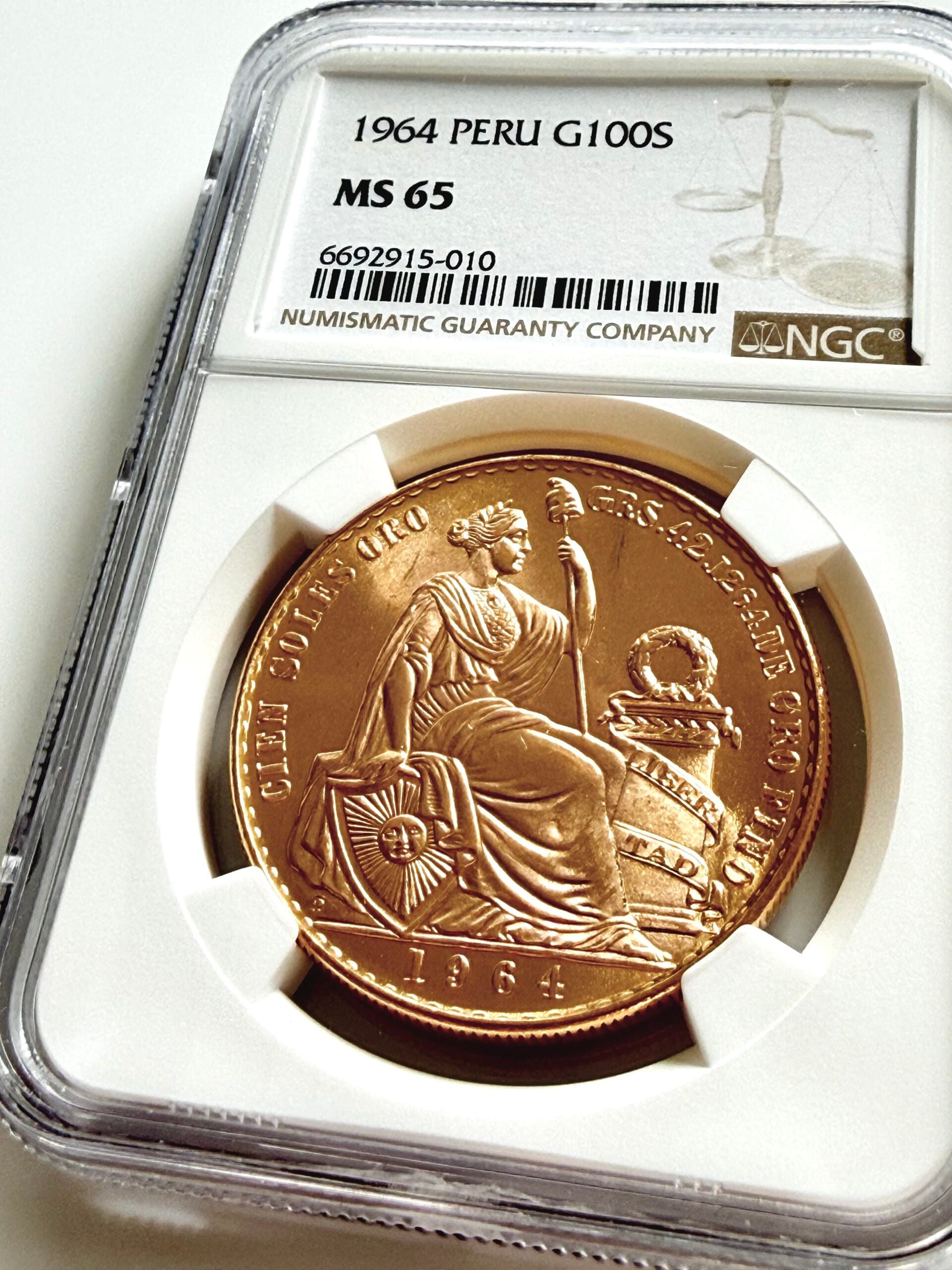
Peru – 1964 – 100 Soles – Seated Liberty – Gold – NGC MS65
7.500,00 €
Enthält 0% Mwst. befreit gem. §25c UStG
plus Versand
Jetzt entdecken -
Peru – 1963 – 100 Soles – Seated Liberty – Gold – NGC MS65
7.500,00 €
Enthält 0% Mwst. befreit gem. §25c UStG
plus Versand
Jetzt entdecken -
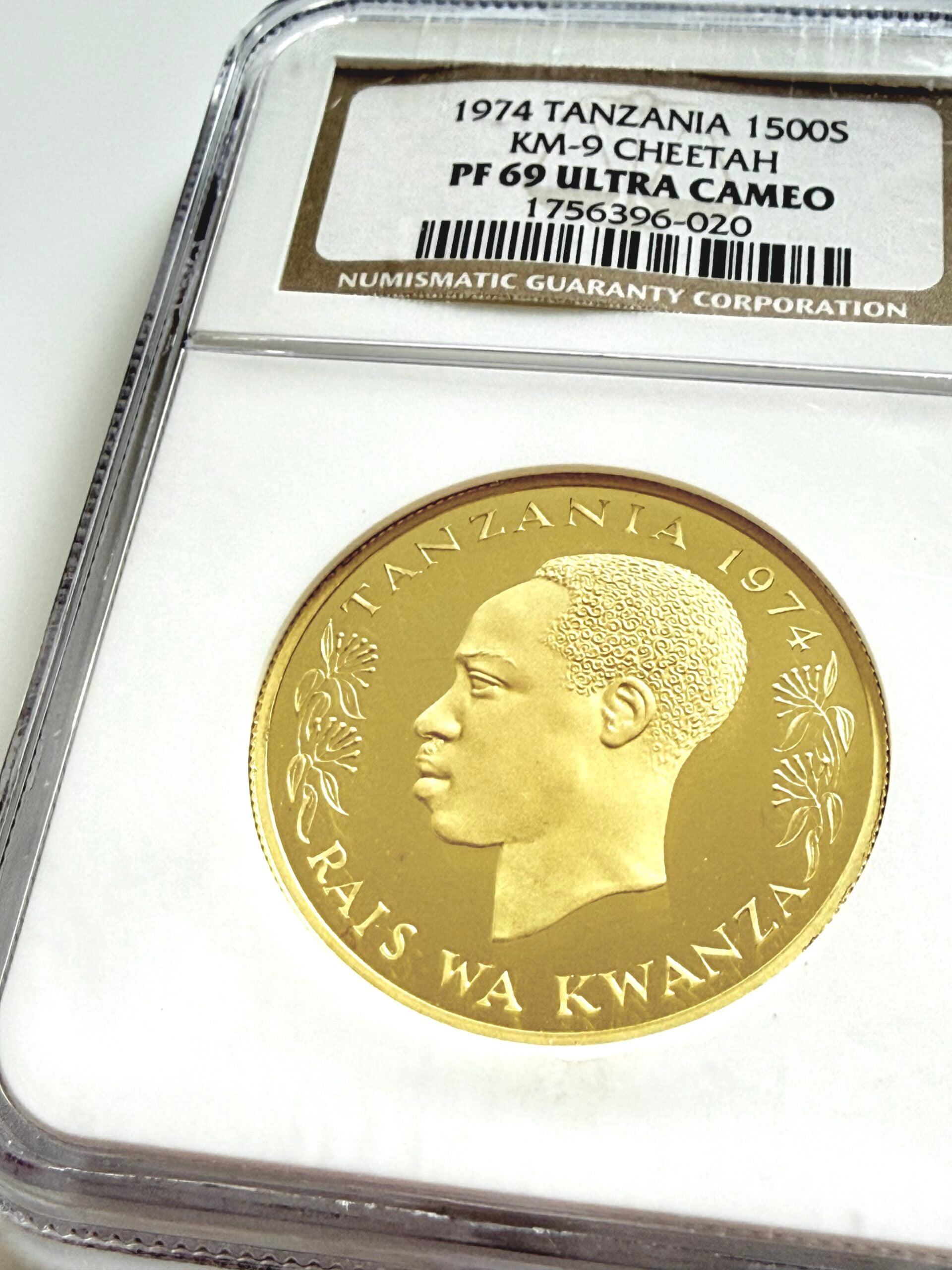
Tansania – 1974 – 1500 Shilingi – Cheetahs – Conservation Series – WWF – Gold – Proof – NGC PF69 Ultra Cameo
5.500,00 €
Enthält 0% Mwst. befreit gem. §25c UStG
plus Versand
Jetzt entdecken