Investing in physical precious metals – a comparison of gold coins, gold bars and medals
This article was updated for you in April 2026. We have reviewed, supplemented, and more clearly structured the information on physical precious metals, gold coins, and various investment options to give you an up-to-date and understandable overview.
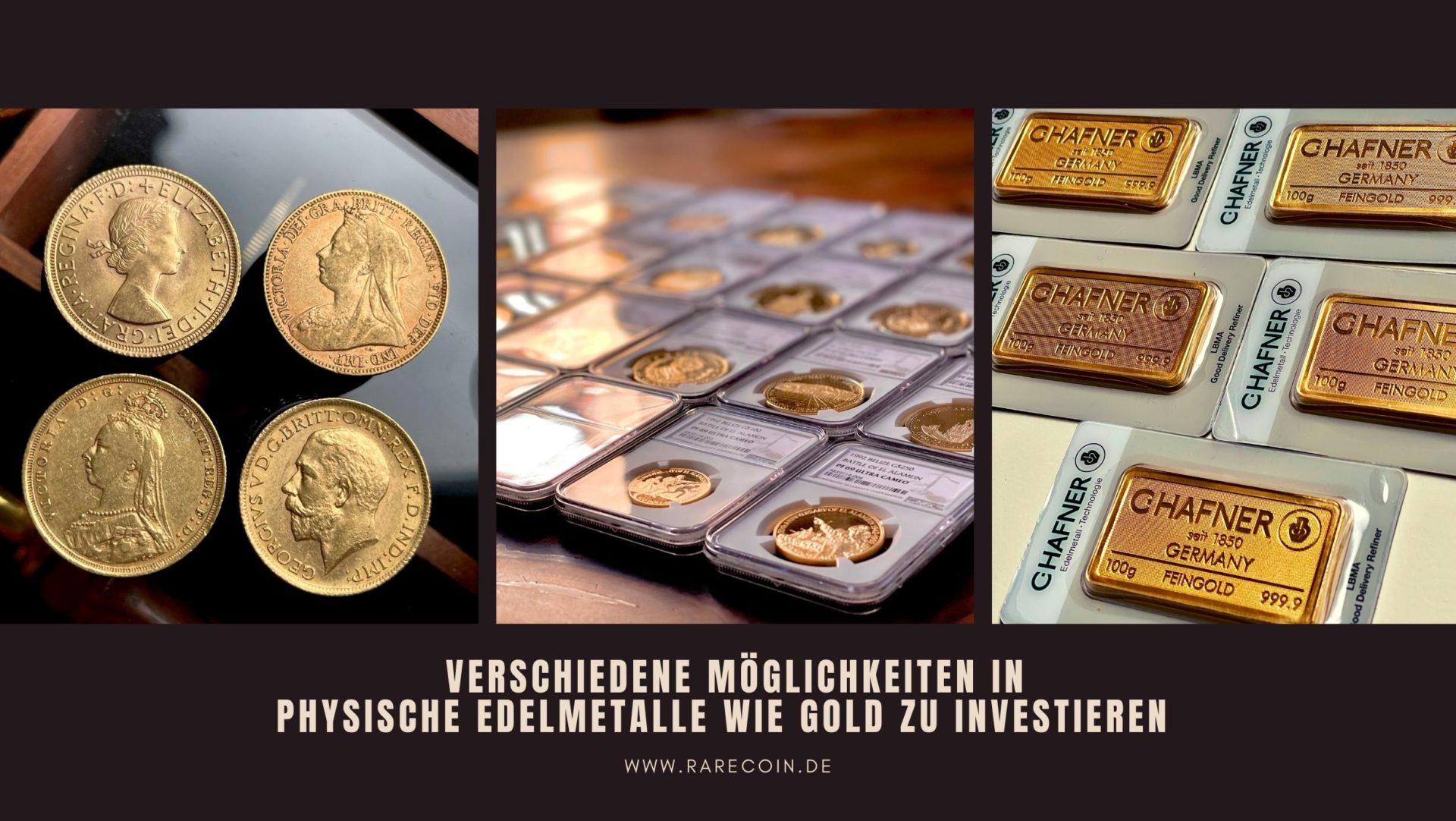
Investing in precious metals means consciously considering physical assets such as gold coins, gold bars, or select collector’s items as a complement to traditional wealth accumulation. Gold has been regarded as a stable asset class for centuries and is often used as an anchor of stability during periods of economic uncertainty. Those wishing to invest in physical precious metals have various options. Generally, three main forms can be distinguished: gold coins, gold bars, and gold medals . Each variant serves a specific purpose and appeals to different investor and collector profiles.
The following overview explains the differences, areas of application and typical characteristics of these investment types – supplemented by information on paper-based gold investments such as ETFs, mining stocks or futures.
Gold coins – investment coins and collector coins with thematic and traditional references
Gold coins are the best-known form of physical precious metal investment. Historically, they were used as circulating currency; today, they are predominantly issued as investment or collector coins by state mints.
Typical features of modern gold coins are:
-
national or cultural symbols on obverse and reverse
-
defined weights and fineness levels
-
high acceptance in the international market
-
clear distinction between bullion and collector coins
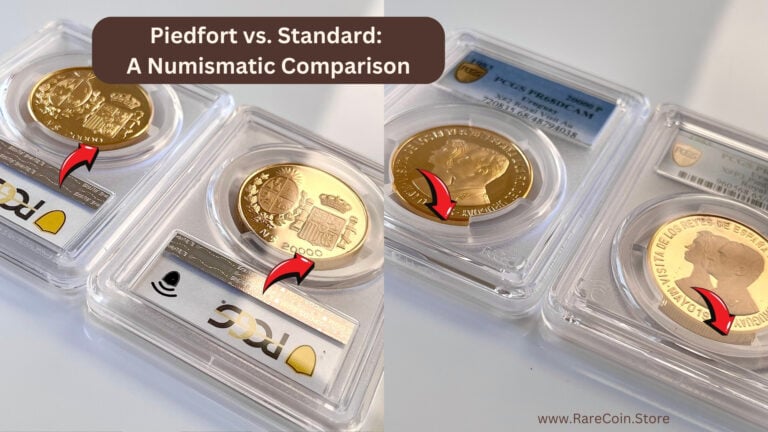
Examples include the South African Krugerrand or historical Cuban peso issues . While investment coins primarily reflect the value of the metal, high-quality proof issues, limited series and rare years also possess numismatic collector value .
Further information:
Differences between collector and investment coins
Gold bars – an efficient, space-saving form of precious metal investment
Gold bars are typically produced by private or LBMA-certified mints and are not legal tender. They are considered the most cost-effective way to acquire and store larger amounts of precious metals.
Advantages of gold bars:
-
lower production costs compared to coins
-
This usually results in a lower premium.
-
space-saving storage
-
ideal for larger investment volumes
For purely value-oriented investors who primarily focus on the metal price , bars are often the preferred solution.
Additionally:
Rules for buying gold coins and gold bars
Gold medals – a collector-oriented middle ground without face value
Gold medals are coin-shaped pieces of precious metal without a legal face value . They are designed thematically, often minted in proof quality, and thus occupy a space between a collector’s item and a precious metal investment .
Typical characteristics:
-
no function as an official means of payment
-
flexible motif and series design
-
often smaller print runs
-
stronger collector and theme focus
Background information:
Difference between medals and coins
“Paper forms” of gold – ETFs, mining stocks, futures and funds
Besides physical gold, there are investment options that are price-linked to gold but cannot be physically delivered. These primarily serve portfolio diversification and provide access to capital markets.
Gold ETFs (Exchange Traded Funds)
-
Gold-linked exchange-traded funds
-
Representation of a reference index or gold price
-
Trading like stocks
-
No physical delivery, payment in cash.
-
ongoing administrative fees
Suitable for investors seeking market exposure without the hassle of storage .
Gold Mining Stocks
-
Indirect investment in gold via mining companies
-
Price movements often correlate with the gold price, but not necessarily.
-
Higher volatility than physical gold
-
to consider entrepreneurial risks
Interesting for investors who want to take advantage of return opportunities on the stock market .
Gold Futures
-
Standardized forward contracts with a commitment to future delivery dates
-
primarily used by institutions for price hedging.
-
high leverage and significantly increased market risk
-
Not suitable for inexperienced private investors
The difference to the spot market lies in the fixed-term price obligation .
Gold Investment Fund
-
invest in mixed forms (ETFs, mining stocks, futures)
-
actively or passively managed
-
suitable for broad participation in the gold market without having to choose individual instruments
These products are in clear contrast to physical ownership of gold coins or gold bars.
Why physical gold remains attractive to many investors
Physical gold is considered to be:
-
robust crisis and hedging position
-
independent of banks and financial systems
-
Long-term value stability
-
transparent and understandable in its structure
Especially for investors who prefer a tangible, real investment , gold coins and gold bars offer direct access without the complexities of the capital markets. Those who want to invest in precious metals should therefore distinguish between pure investment products, collector coins and paper-based gold investments.
Other topics:
Gold coins – valuable rarities and collector’s items
Buying gold – precious metals as an investment in times of crisis
If you have any questions about selection, purchase or valuation, we will be happy to advise you personally.
About the author
Larissa Wasserthal, who works at Wasserthal RareCoin.Store, focuses on physical precious metals, modern gold coins, and certified collector’s editions. In her articles, she combines market understanding, numismatic experience, and clear analysis to enable investors and collectors to make informed decisions.