Certification is crucial
The Sheldon Scale: A Coin Grading System
Coin experts use the Sheldon scale, a numerical system developed in 1949 by Dr. William H. Sheldon, to evaluate coins . This scale ranges from 1 to 70, with “1” denoting a barely recognizable coin and “70” representing a flawless, perfect specimen. More details about the Sheldon Scale can be found above.
Value and grade of a coin
A higher grade of coin corresponds to a higher value compared to coins with lower grades of the same issue. Often, just a single valuation point can make a significant difference in value, which can amount to hundreds or even thousands of euros/dollars.
The leading valuation services
In the US rare coin market, NGC and PCGS are the two leading independent grading services. They have been operating since the 1980s and have an excellent reputation in the industry. We recommend these services for investing in rare coins.
Certification and security
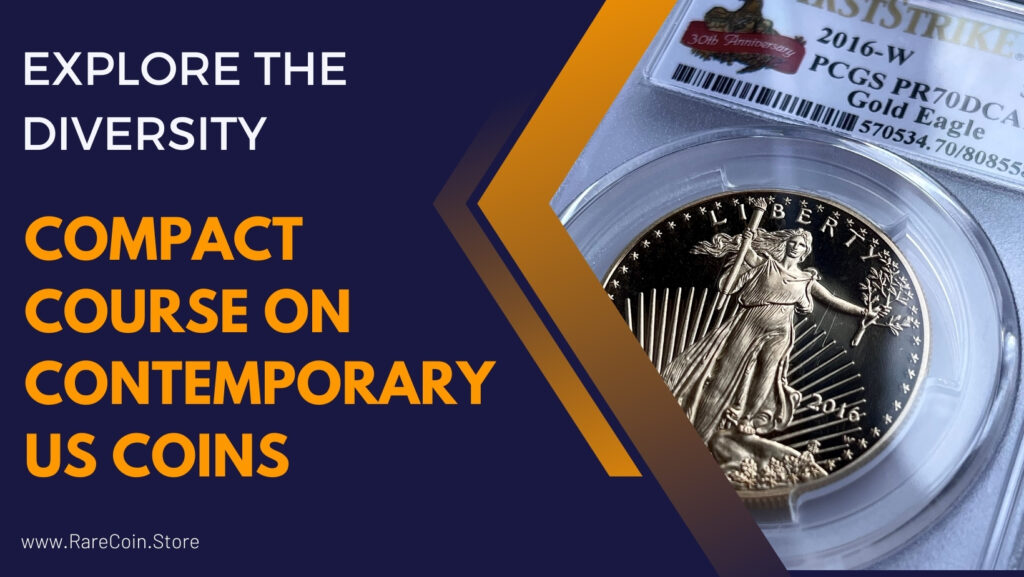
These services evaluate rare coins objectively and impartially. First, the coin’s authenticity is verified, then professional coin appraisers , known as numismatists, evaluate it. After an agreement on the grading is reached, the coin is securely sealed in a tamper-evident plastic case (slab) that is verified using sonic technology. Inside is an official assessment certificate with all relevant information, including the assigned grade, serial number and barcode for registration with the assessment service.
Trust and liquidity
Certified rare coins offer all parties involved trust and security during a transaction, ensuring that buyers receive exactly what they pay for. There is no speculation or uncertainty about the condition of the coin, both at the time of purchase and in the future when sold. This certainty is critical to liquidity, transparency and success in the rare coin market.
Additional resources on grading


