
What is a limited mintage coin? The significance of the mintage for collector coins.
A limited mintage means that only a fixed number of coins of a particular issue are minted. This mintage is a key scarcity factor for collectors because it defines the potential supply on the market. However, mintage alone does not automatically make a coin valuable. Rather, the interplay of demand, condition, actual availability, and, in the case of certified coins, the grade and population size are crucial.
The most important points in brief
-
The mintage describes the number of pieces minted of a specific coin issue.
-
Maximum print run and final print run are not identical because upper limits are not always fully utilized.
-
For collector value, factors such as preservation, demand, market availability , and, in the case of certified pieces , grade and population also play a role.
1) What exactly does “minting edition” mean?
The mintage is the number of coins a mint produces for a specific issue. It is important to note that the mintage always refers precisely to that variant, specifically to the combination of:
-
vintage
-
Nominal value
-
Metal and specification
-
Embossing quality (for example, proof)
-
Edition format (special edition, privy mark, set edition)
Especially in the numismatic field, misunderstandings often arise because collectors confuse the mintage of a series with the mintage of a single issue. This makes a coin appear rarer or more common at first glance than it actually is in its specific mintage.
2) Limited edition, maximum edition, final edition
Modern collector coins often specify a maximum mintage . This is the announced upper limit, which should not be exceeded. In addition, there is the final edition , i.e., the actual number of copies minted after the end of the issue period.
This difference is relevant because while a coin may be announced with a maximum mintage, fewer pieces are ultimately produced. This can increase scarcity, but it only affects the value if there is also stable demand and the coin doesn’t regularly appear on the market in large numbers.
3) Proof, Bullion and other variants: Why the specific issue matters
For collectors, not only the mintage counts, but also the specific minting variant . Proof issues are typically produced with great care and are often issued in separate, sometimes significantly smaller print runs than bullion versions. That’s precisely why every edition figure should always be checked to see if it refers to:
-
Proof edition
-
Bullion issue
-
Mint condition or special variants
-
Set editions (and their distribution)
refers to.
This immediately explains why a Proof coin, despite having the same design and year, can be significantly scarcer than the Bullion version, regardless of how well-known the issue is overall.
4) Why a low print run does not automatically mean high collector value
A low print run is a strong signal, but it’s only one part of the evaluation logic. In practice, several factors primarily come into play:
Demand and collection area
A coin can be rare, yet still occupy a niche market. In this case, demand remains limited, which is why the price doesn’t necessarily fluctuate dynamically. Conversely, a coin with a higher mintage can be in high demand, yet still appear scarce on the market.
Preservation and actual market availability
Even with a large print run, only a few pieces can exist in outstanding condition. Furthermore, the frequency with which pieces are actually offered for sale is crucial. A print run number only has a significant impact if it corresponds to actual availability.
Survival rate: What really survives?
Especially with older issues, the survival rate can differ significantly from the original mintage. Loss, wear and tear from circulation, or melting down reduce the available supply. As a result, a coin with a moderate mintage can ultimately be rarer than a coin with a nominally low mintage that is well-preserved and readily available.
Certification, degree and population
For certified coins, an additional, very specific scarcity indicator is added: the population at a certain level. This makes it clear how many pieces actually exist in top quality. This is particularly relevant for discerning collectors because “rare in top condition” often has a stronger impact than “rare in absolute quantity”.
5) Practical checklist: How to evaluate a limited edition collector coin
Use this checklist to meaningfully classify information regarding the order of issue:
-
Which variant is meant (Proof, Bullion, Special Edition)?
-
Is this the maximum or final print run?
-
Is there any evidence of actual market availability (how frequently is it offered)?
-
How strong is the collector base for the country, series, and theme?
-
How is the specific piece preserved , and is there a certification?
-
If certified: How are the grade and population classified?
-
Are there any special features (anniversary, first year, key date, rare variant)?
-
Does the coin fit into a collecting area with long-term stable demand?
This transforms the mere mintage figure into a reliable assessment, and one that is significantly closer to the reality of high-quality collector coins.
6) Classification for collectors: Scarcity is more than a number
A limited mintage is an important starting point because it is objectively measurable. At the same time, collector value rarely arises solely from “a small number of pieces.” It arises from scarcity plus demand, specifically within the context of condition, availability, and collector interest. Therefore, the mintage is a foundation, but not the entire structure.
Internal note: Here, a supplementary link to your further article on the Mintage principle is recommended, so that Google and GenAI systems can clearly recognize the topic hierarchy and at the same time distribute the internal relevance cleanly.
Conclusion
Mintage is one of the most important terms in the numismatic market because it describes the potential scarcity of an issue. However, every mintage figure should be critically evaluated to avoid hasty conclusions. Considering the mintage, variant, condition, demand, and population together leads to significantly better decisions, both for collectors and when purchasing high-quality numismatic gold coins.
Note: This article is for informational purposes only and does not constitute investment advice.
FAQ: Limited Edition Minting and Minting Print Run
What does mintage mean for a coin?
The mintage is the number of coins minted for a specific issue. For limited issues, this number is either fixed or announced as an upper limit.
Does a limited edition automatically mean it’s valuable?
No. Mintage is a scarcity factor, but value only arises through demand, preservation, market availability, and, in the case of certified coins, additionally through grade and population.
What is the difference between maximum and final print run?
The maximum print run is the announced upper limit. The final print run is the actual number of copies minted after the issue is completed.
Why does the survival rate matter?
Not every minted coin survives. Circulation, loss, or melting down can reduce the available supply, which is why the actual rarity can differ from the mintage figure.
What role does proof play in the print run?
Proof is a separate minting quality, often produced individually and in smaller quantities. Therefore, the mintage of the specific proof variant is what matters for valuation.
How do I correctly classify a print run?
The most reliable method is a combination of variant testing, maximum versus final mintage, market observation, condition, and, in the case of grading coins, additionally population and grade.
Author box
Team Wasserthal RareCoin.Store
Wasserthal RareCoin.Store specializes in high-quality numismatic collector coins, especially certified gold coins. The focus is on precisely classifying edition size, variant, condition and market mechanics, so that collectors can realistically assess the actual scarcity of an issue.
Discover the new additions to our gold coin collection in the current range!
-

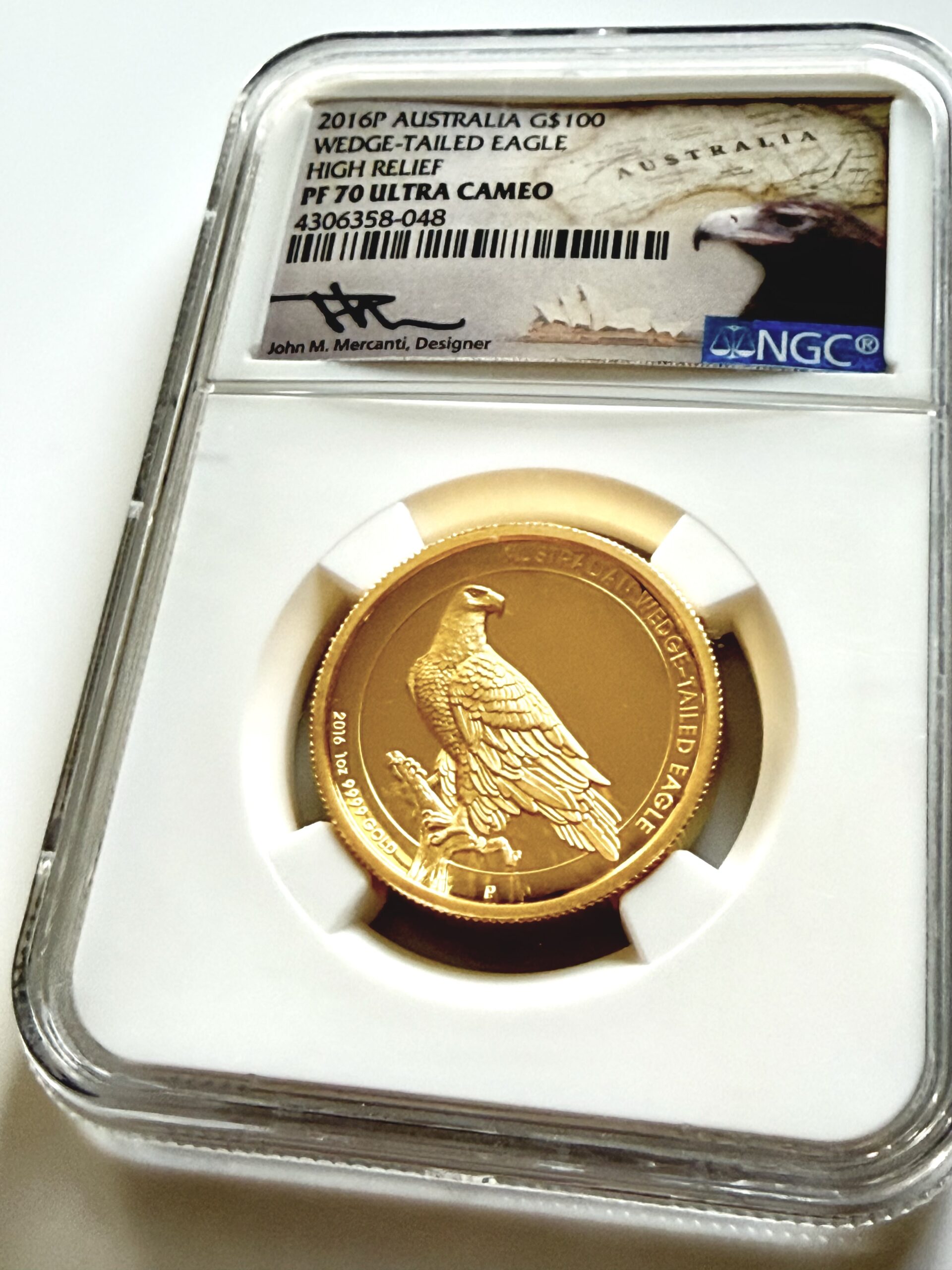
Australien – 2016 – 100 Dollar – Wedge Tailed Eagle – Gold 1 oz Proof High Relief – NGC PF70 UCAM – Mercanti Signed Label
4.600,00 €
Enthält 0% Mwst. befreit gem. §25c UStG
plus Versand
Jetzt entdecken -
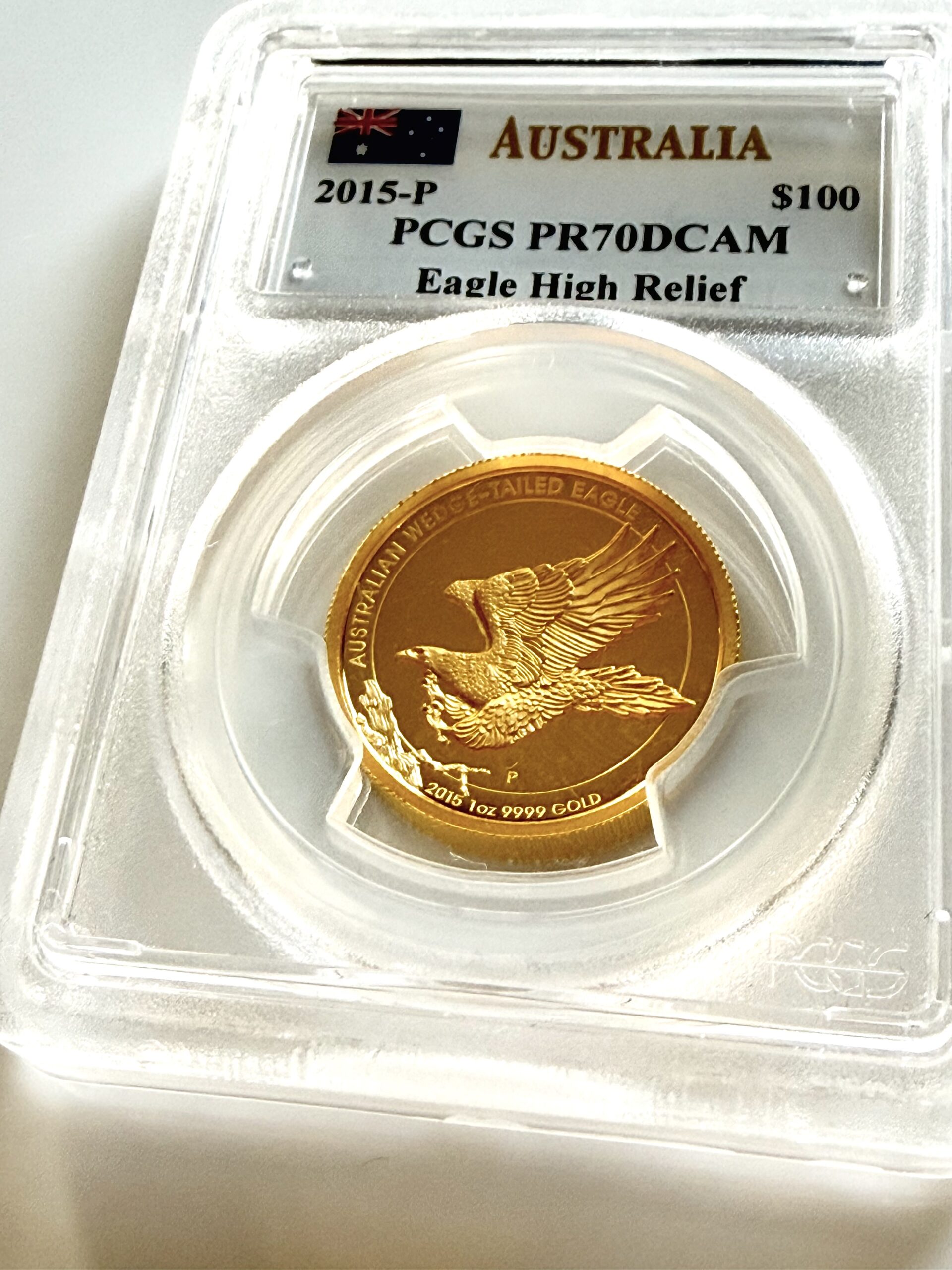
Australien – 2015 – 100 Dollar – Wedge Tailed Eagle – Gold 1 oz Proof High Relief – PCGS PR70 DCAM – Mercanti Signed Label
4.600,00 €
Enthält 0% Mwst. befreit gem. §25c UStG
plus Versand
Jetzt entdecken -
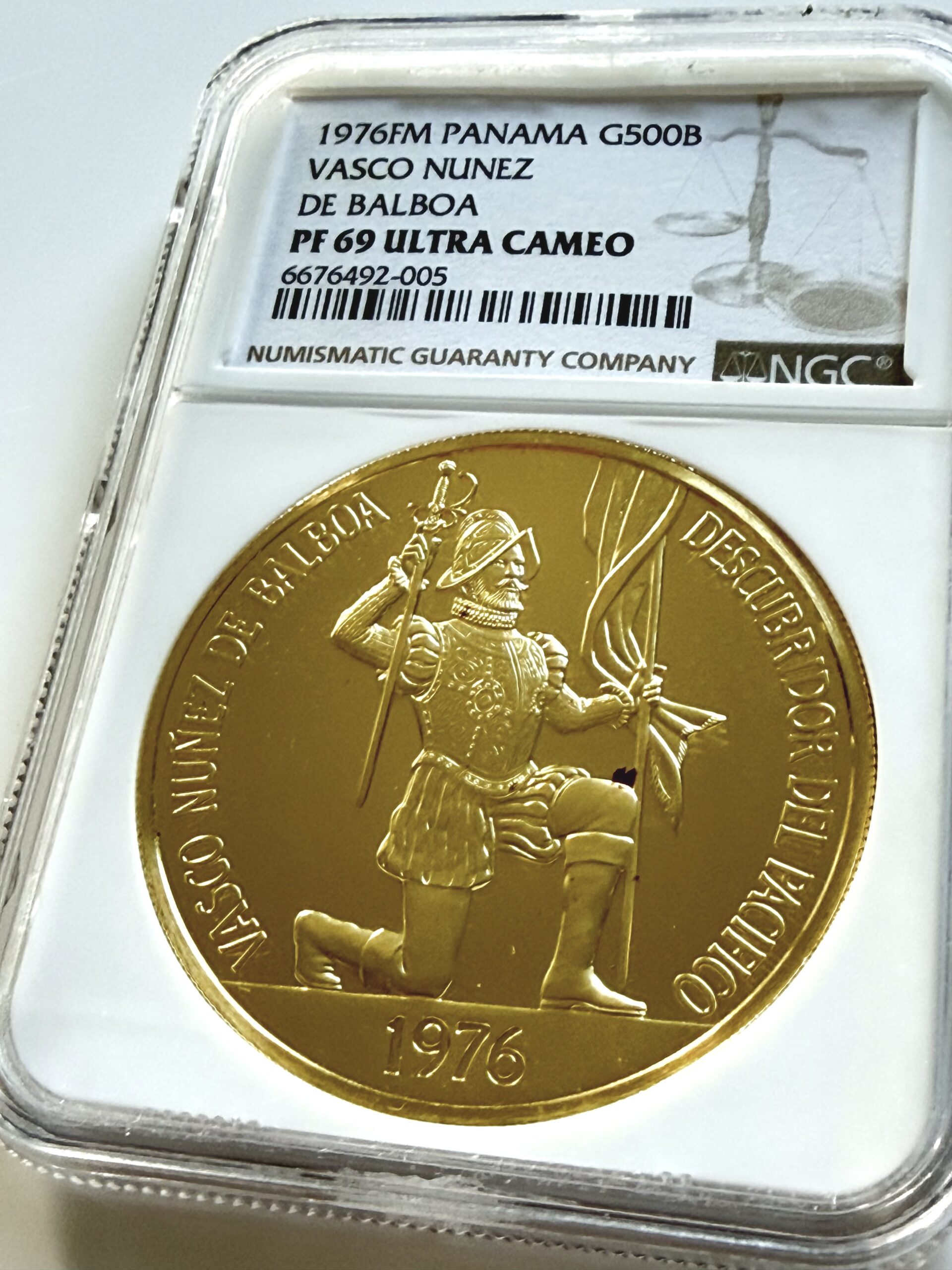
Panama – 1976 – 500 Balboas – 500 Jahre Vasco Núñez de Balboa – Gold Proof – NGC PF69 Ultra Cameo
5.600,00 €
Enthält 0% Mwst. befreit gem. §25c UStG
plus Versand
Jetzt entdecken -
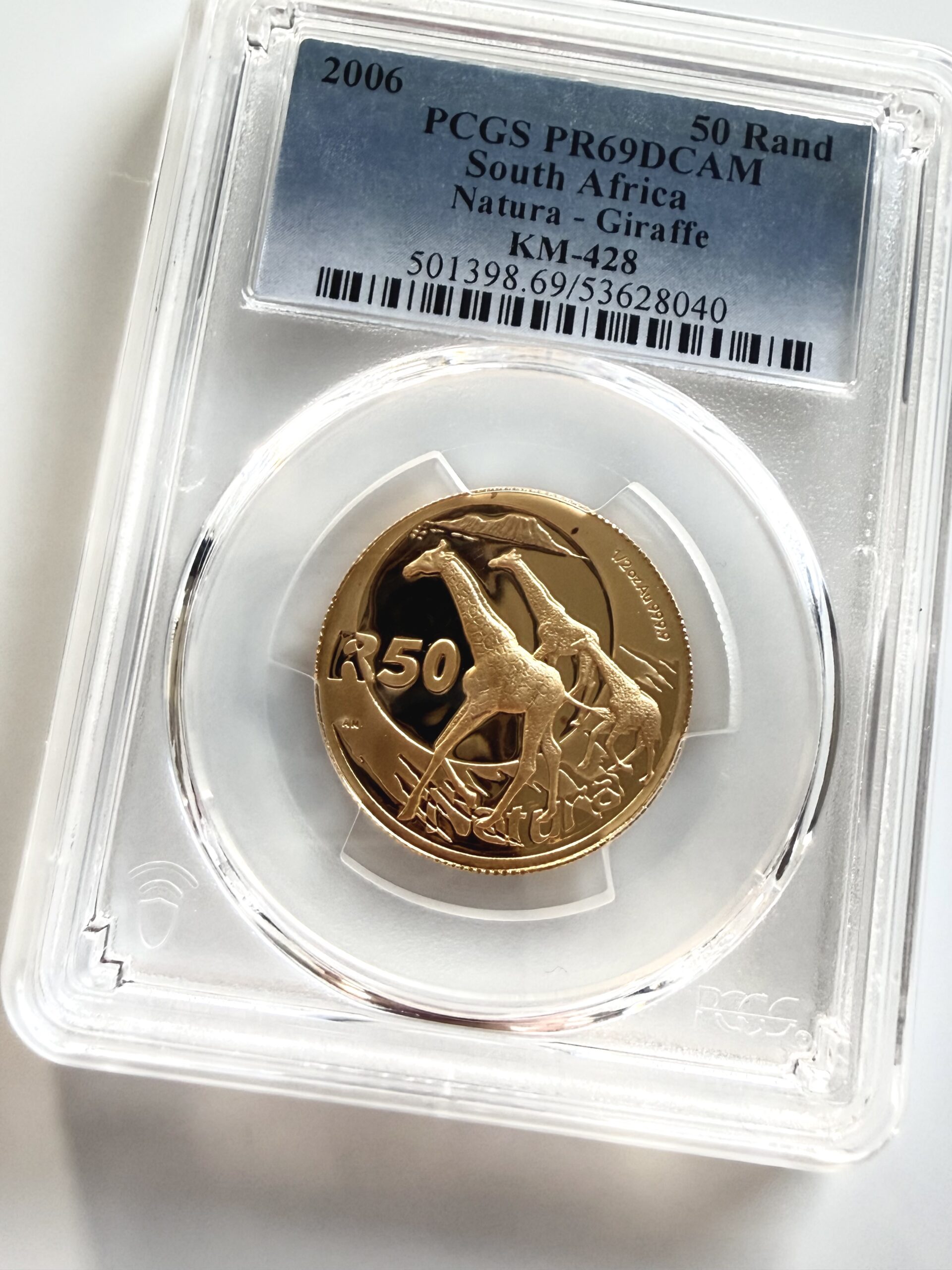
Südafrika – 2006 – Natura – Giraffe – 50 Rand – 1/2 oz Gold Proof – PCGS PR69 DCAM
2.400,00 €
Enthält 0% Mwst. befreit gem. §25c UStG
plus Versand
Jetzt entdecken -
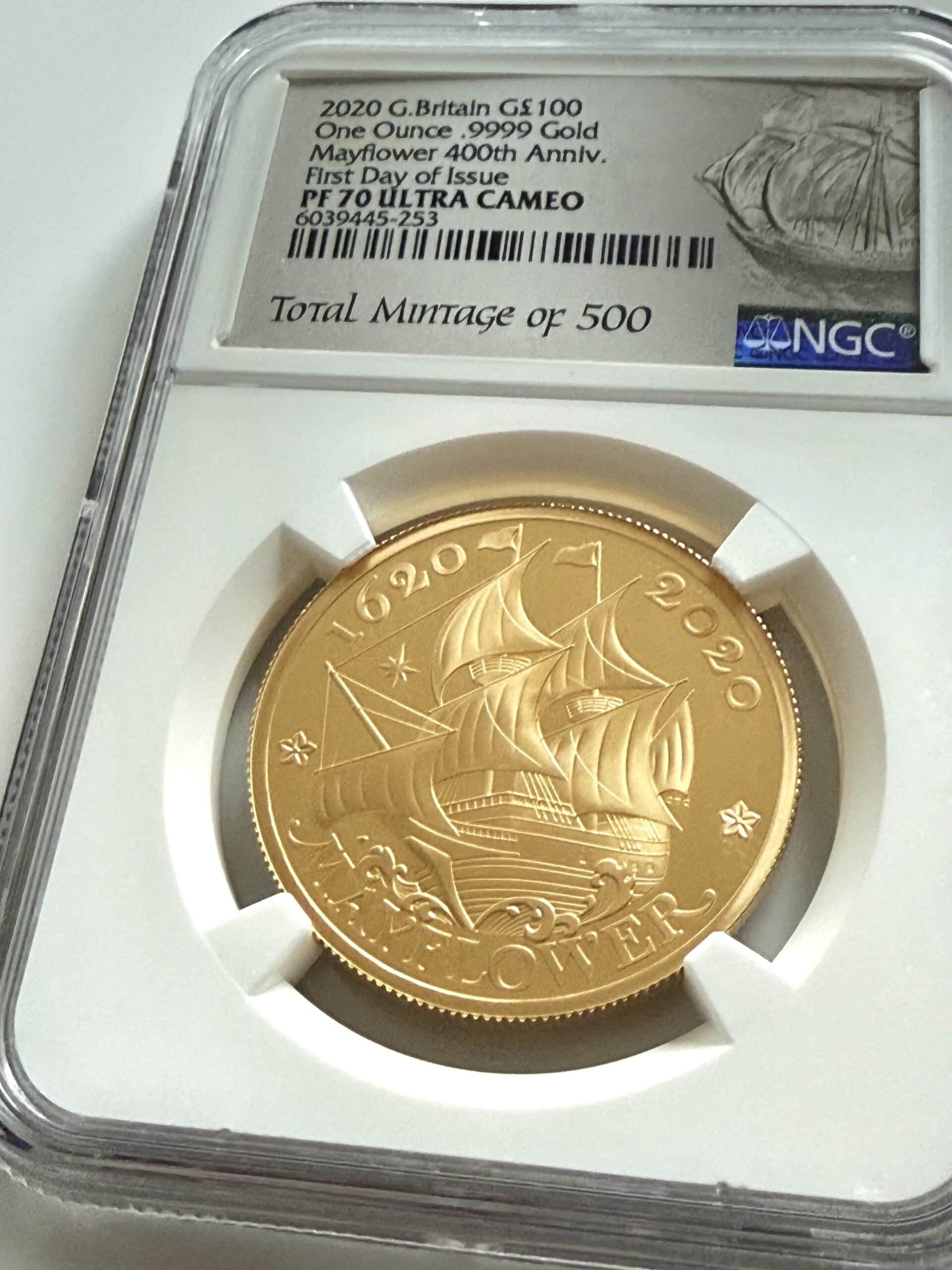
Großbritannien – 2020 – 100 Pfund – Mayflower 400th Anniversary – 1oz Gold Proof – NGC PF70 Ultra Cameo – First Day of Issue
4.500,00 €
Enthält 0% Mwst. befreit gem. §25c UStG
plus Versand
Jetzt entdecken -
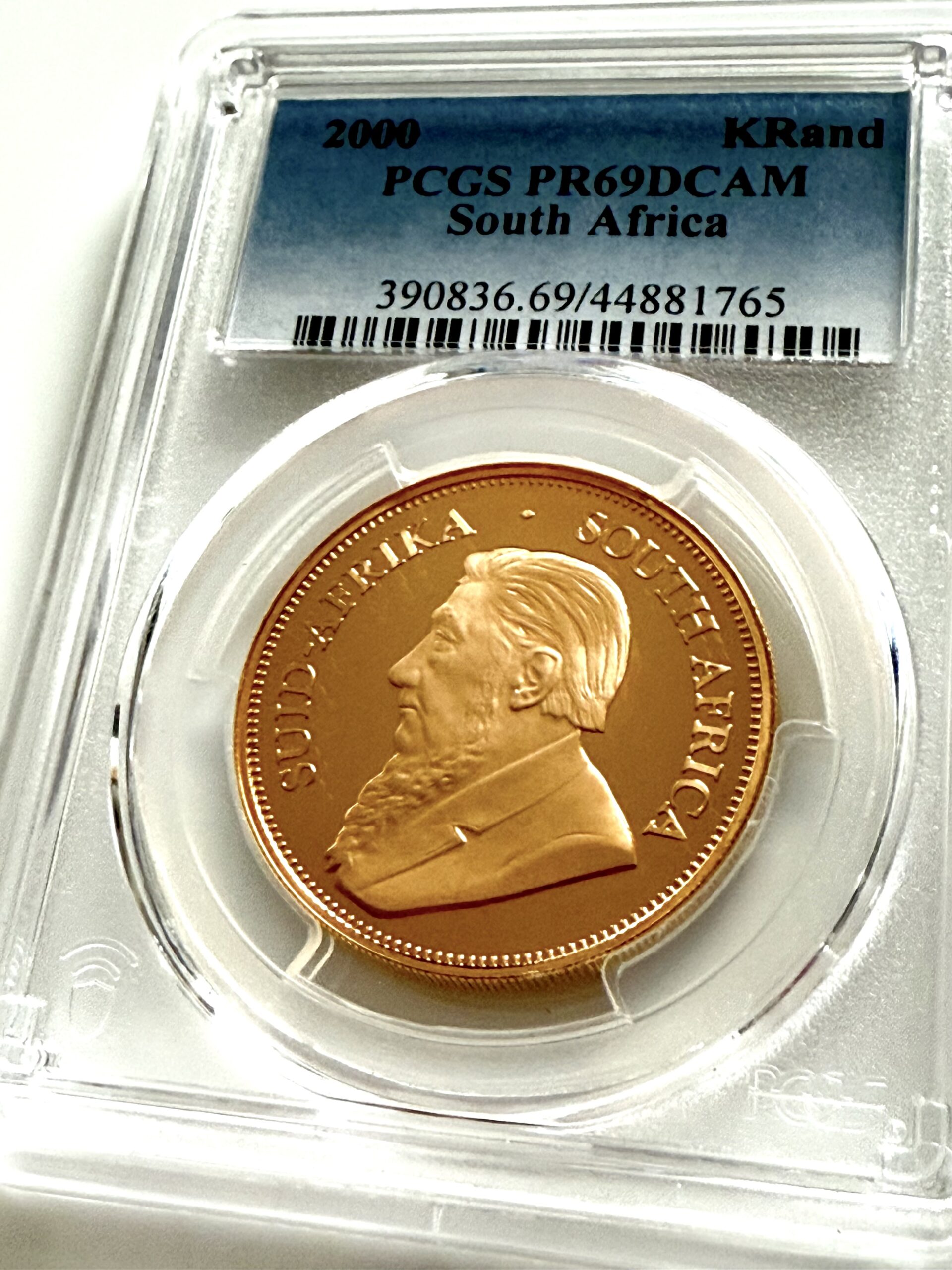
Südafrika – Krügerrand – 2000 – 1 oz – Gold – Proof – PCGS PR69 DCAM
4.800,00 €
Enthält 0% Mwst. befreit gem. §25c UStG
plus Versand
Jetzt entdecken -
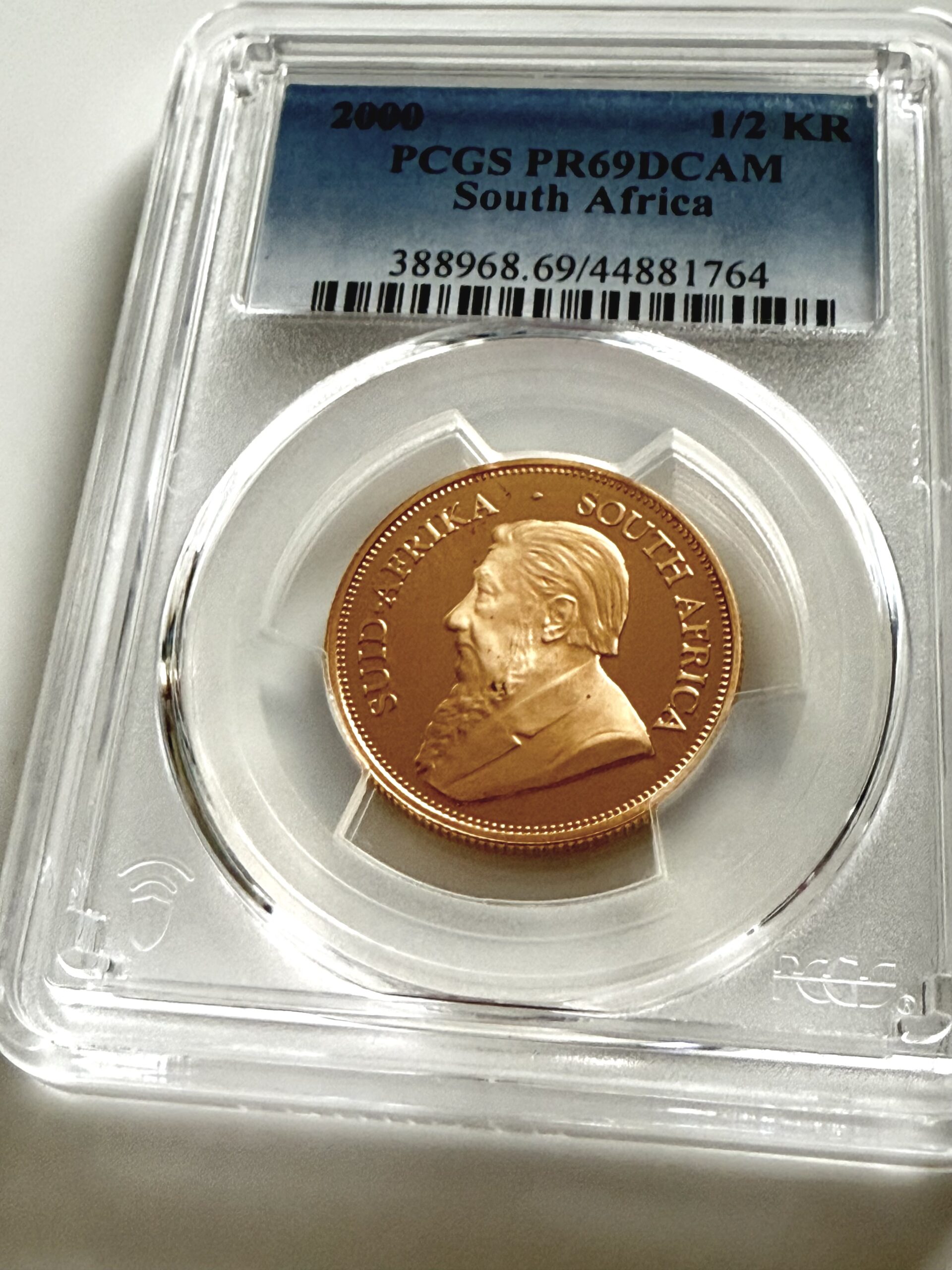
Südafrika – Krügerrand – 2000 – 1/2 oz – Gold – Proof – PCGS PR69 DCAM
2.350,00 €
Enthält 0% Mwst. befreit gem. §25c UStG
plus Versand
Jetzt entdecken -
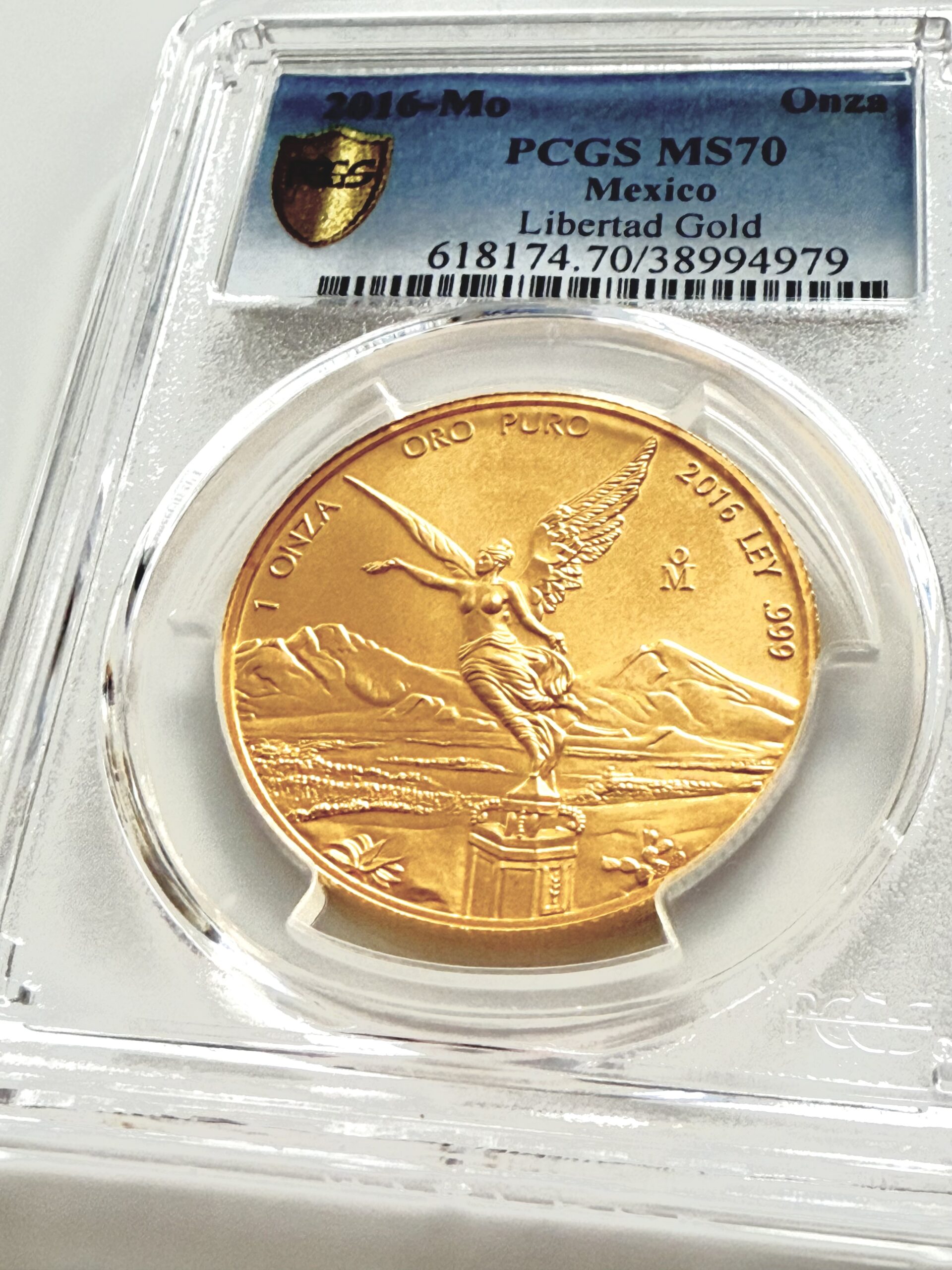
Mexiko – 2016 – Libertad – 1 Onza – Gold – Stempelglanz – PCGS MS70
4.700,00 €
Enthält 0% Mwst. befreit gem. §25c UStG
plus Versand
Jetzt entdecken -
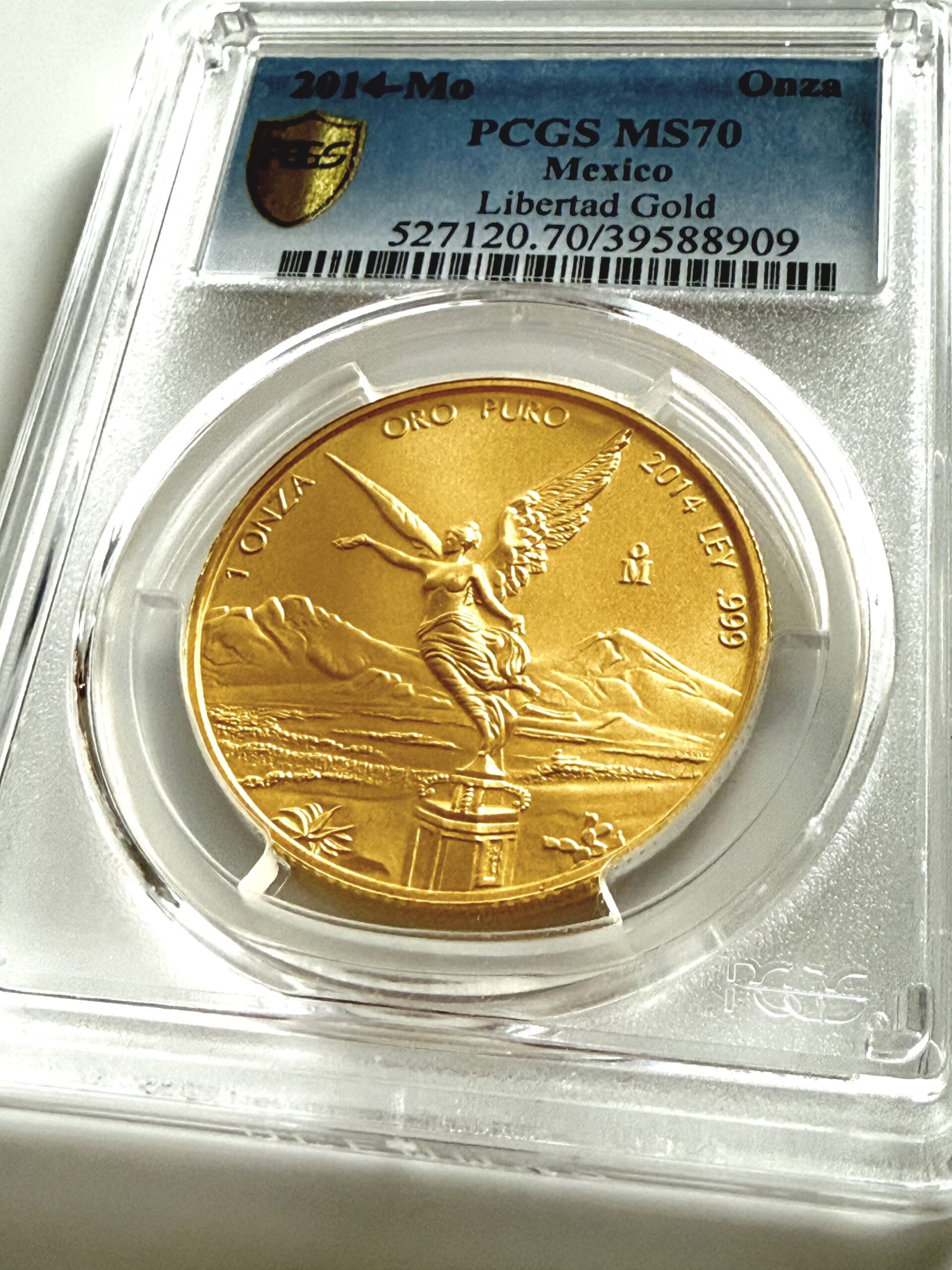
Mexiko – 2014 – Libertad – 1 Onza – Gold – Stempelglanz – PCGS MS70
4.800,00 €
Enthält 0% Mwst. befreit gem. §25c UStG
plus Versand
Jetzt entdecken -
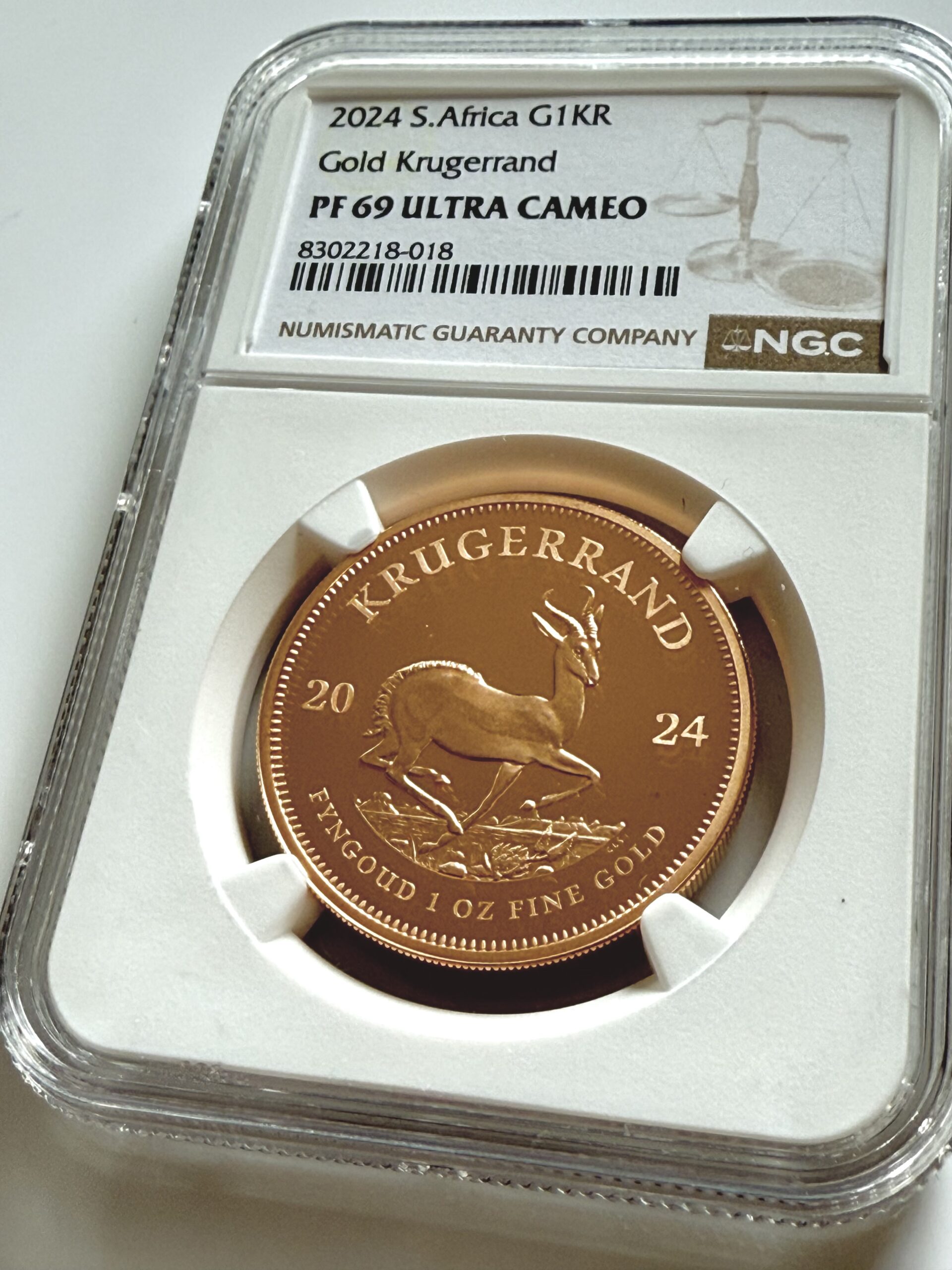
Südafrika – Krügerrand – 2024 – 1 oz Gold – Proof – NGC PF69UCAM
4.750,00 €
Enthält 0% Mwst. befreit gem. §25c UStG
plus Versand
Jetzt entdecken