
Storing gold coins: How to store collector coins safely and in a way that protects the material
There are many ways to store gold coins. However, the appearance of the packaging is not the only crucial factor; above all, it’s the protection of the surface , the long-term stability of the materials , and security against theft . Proper storage of gold coins reduces scratches, fingerprints, tarnishing, and moisture damage with manageable effort.
The most important points in brief
-
Avoid touching: Fingerprints and micro-scratches appear faster than many expect.
-
Material is crucial: Use only coin-grade, inert plastics and avoid PVC, sulfur-containing cardboard and problematic plasticizers.
-
Environment matters: cool, dry, stable, ideally without large temperature fluctuations.
-
Security is essential: a safe or bank safe deposit box protects against theft, while a capsule and inert materials protect the coin itself.
Why proper storage is so important
Coins are subject to the ravages of time. Highly polished surfaces, mirror-like finishes, and fine design details are particularly vulnerable. Contact with other coins, dust, incorrect materials, or repeated handling can leave visible marks. As a result, a high-quality collector’s item can quickly become one that has significantly lost its visual appeal.
Good storage therefore means two things: protection against mechanical damage and protection against external influences such as humidity, harmful gases or temperature fluctuations.
What storage systems are available?
These solutions are common for storing gold coins:
Coin capsules
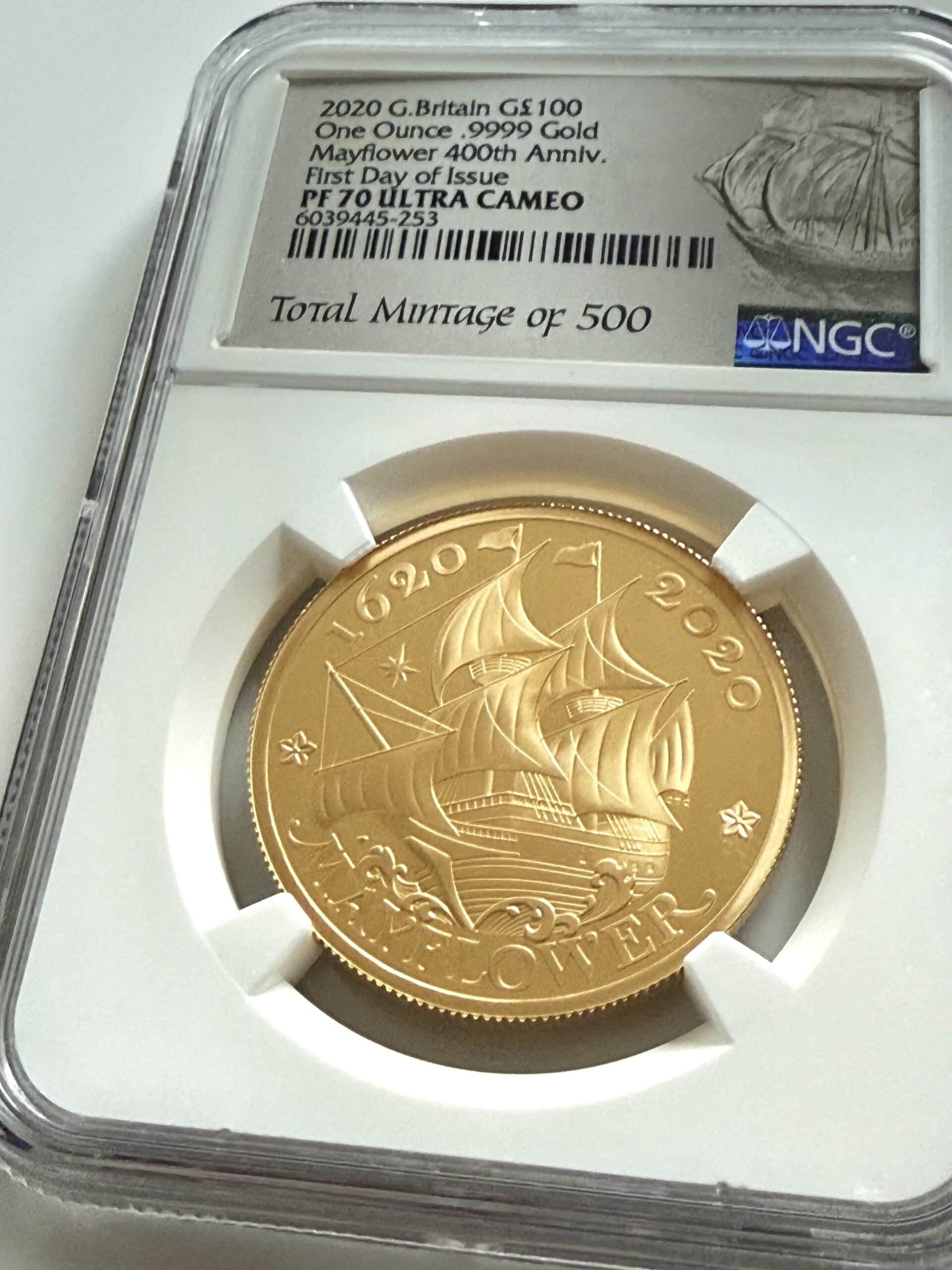
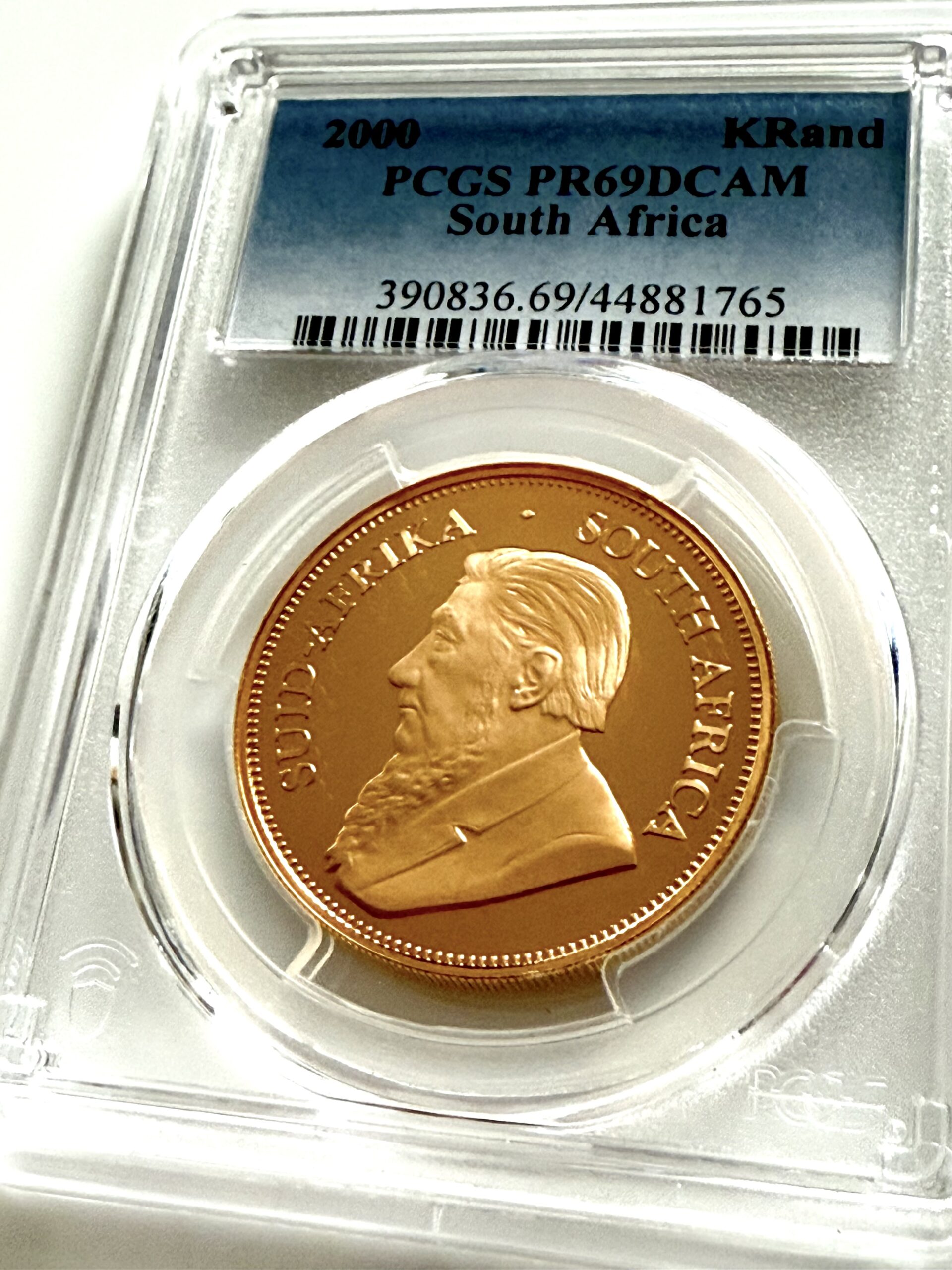
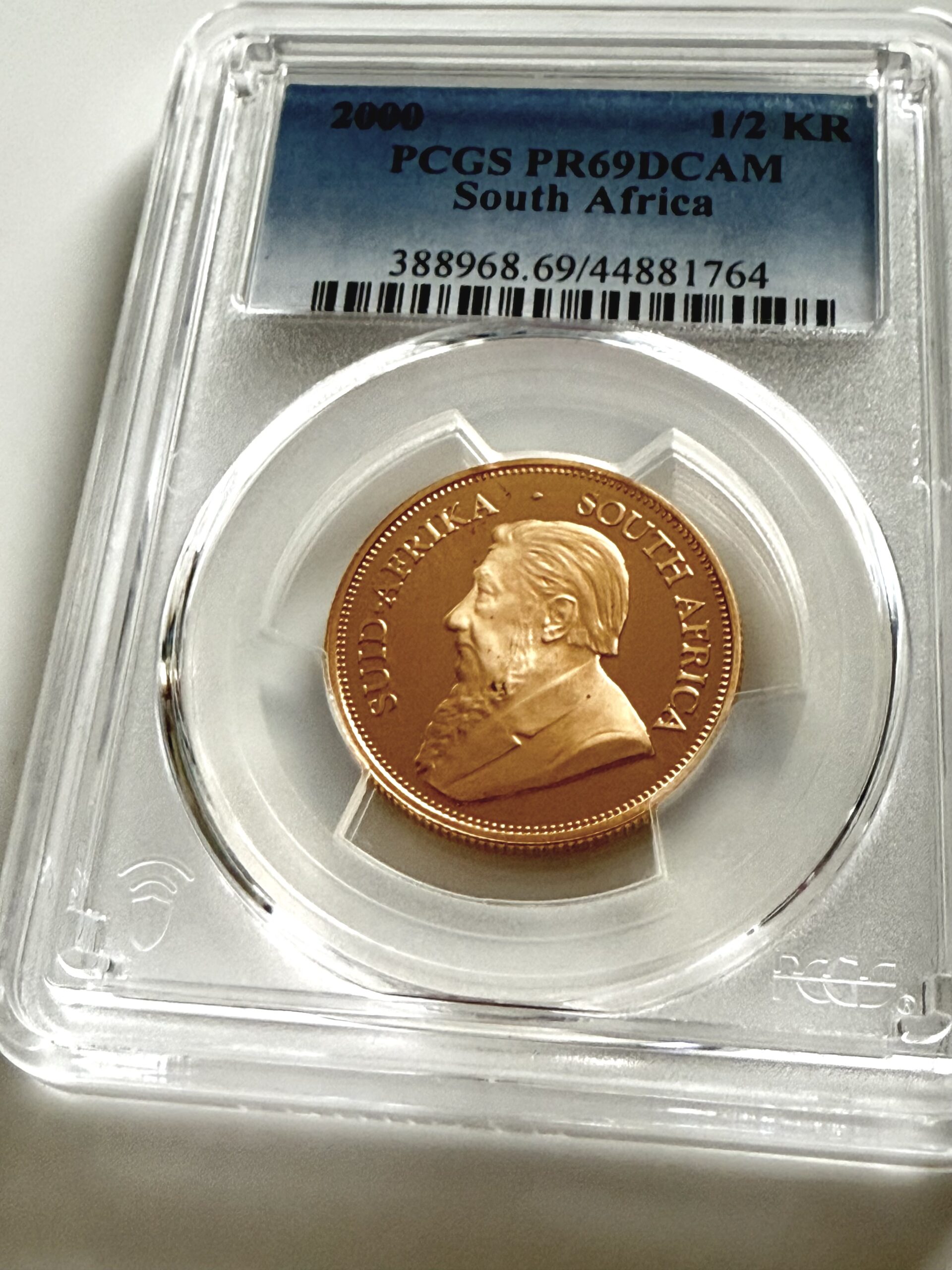
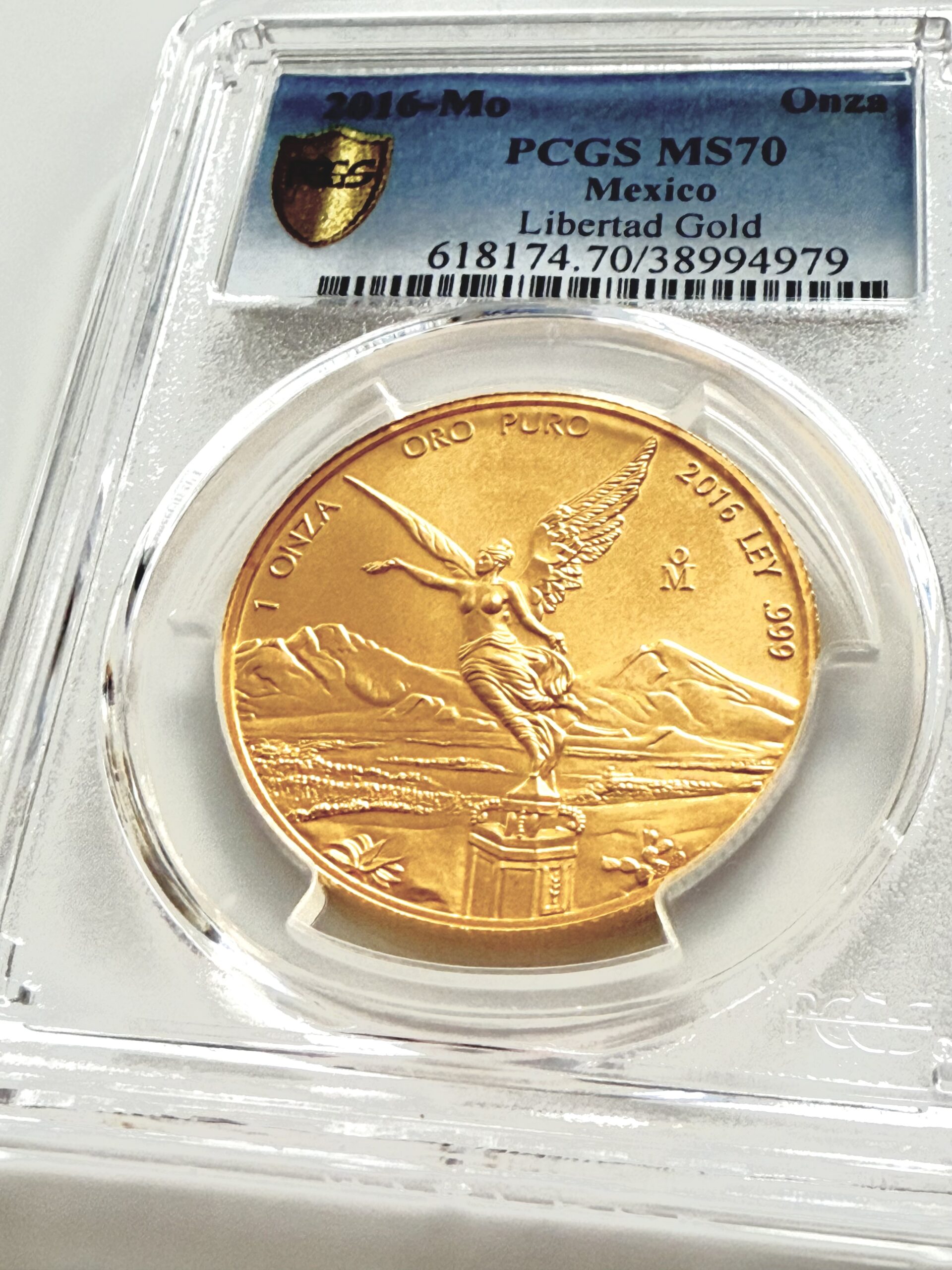
Coin capsules are the standard for many collectors because they reliably protect the surface from direct contact while still allowing a good view of the coin. Make sure to choose capsules that are the right size and made of coin-safe, hard plastic.
Coin sleeves and “flips”
Soft sleeves are practical, but not every film is suitable. Crucially, the material must be PVC-free and specifically designed for coins. Plasticizers can damage surfaces or cause discoloration over time.
Coin frame (2×2)
2×2 frames are widely used; however, the cardboard should be acid-free and free of dust. If clips are used, care must be taken to avoid scratching adjacent coins.
Coin albums, boxes, cassettes and cases
Albums and boxes help to store a collection in an organized manner. Ensure that inserts and sleeves are made of inert materials so that the coins cannot shift around. Cassettes and cases are also useful if you want to transport the collection; however, protection against shock and friction should be guaranteed.
The most common mistake: handling coins too often
Even with the utmost care, direct contact can quickly leave fingerprints or fine lines. Always handle coins by the edge. Gloves are advisable for delicate surfaces, especially proof coins. Even better is to avoid removing the coin from its capsule, original packaging, or certificate altogether.
Air, humidity and harmful gases: How to protect your coins
Mechanical factors are not the only relevant ones. Humidity and certain gases can alter coin surfaces over the long term. Therefore:
-
Store coins in a cool, dry, and stable place .
-
Avoid large temperature fluctuations, as they promote condensation.
-
If moisture is a concern, use desiccants to reduce humidity.
-
Use only materials that are considered suitable for coinage and avoid sulfur-containing paper or cardboard , as this can promote discoloration.
Security: Safe, bank safe deposit box or at home?
Truly secure gold storage always includes two aspects: protection against theft and protection of the coin from external influences .
-
Bank safe deposit box: Classic, very secure and the preferred solution for many collectors.
-
Safe deposit boxes from independent providers: Depending on the location and security concept, this is an alternative.
-
A home safe: Makes sense if the safe is professionally installed and the insurance situation is clear. Check which valuables and conditions are covered by your policy.
-
Storage at home: If you do not use a safe or a safety deposit box, avoid storing all valuables in one place and separate coins from important documents.
How are coins typically packaged for sale or shipping?
Individual investment coins are often delivered in simple plastic sleeves. High-quality collector coins, on the other hand, are usually stored in coin capsules, original cases, or certified holders. For shipping and delivery, shock protection, secure outer packaging, and stable fixation are more important than “lots of packing material.”
Checklist: How to properly store gold coins
-
Avoid touching the coins if possible; hold them only by the edge.
-
Preferably use capsules or certified holders.
-
Use only PVC-free, coin-safe materials.
-
Avoid sulfur-containing cardboard, problematic plasticizers, and sources of dust.
-
Store in a cool, dry, and stable place, ideally without temperature fluctuations.
-
Use a desiccant in humid conditions.
-
Define a security concept: locker or safe.
-
Do not unnecessarily “repackage” or remove the collection often.
FAQ on storing gold coins
Should you handle gold coins with gloves?
Gloves are advisable when handling delicate surfaces, especially proof coins. Generally, it is sufficient to hold the coin only by the edge and avoid direct contact with the surfaces.
Are coin capsules always the best solution?
For many collectors, yes, because capsules reliably protect the surface while also allowing for good presentation. However, the correct size and coin-friendly material are important.
Which materials should be avoided?
Avoid PVC-containing films, sulfur-containing paper or cardboard, and materials that may release dust or fibers.
Where is the safest place to store gold coins?
A bank safe deposit box or a professionally installed safe offers the best protection against theft. Additionally, the coin itself should be protected from external influences by using a capsule or holder.
Discover the new additions to our gold coin collection in the current range!
-

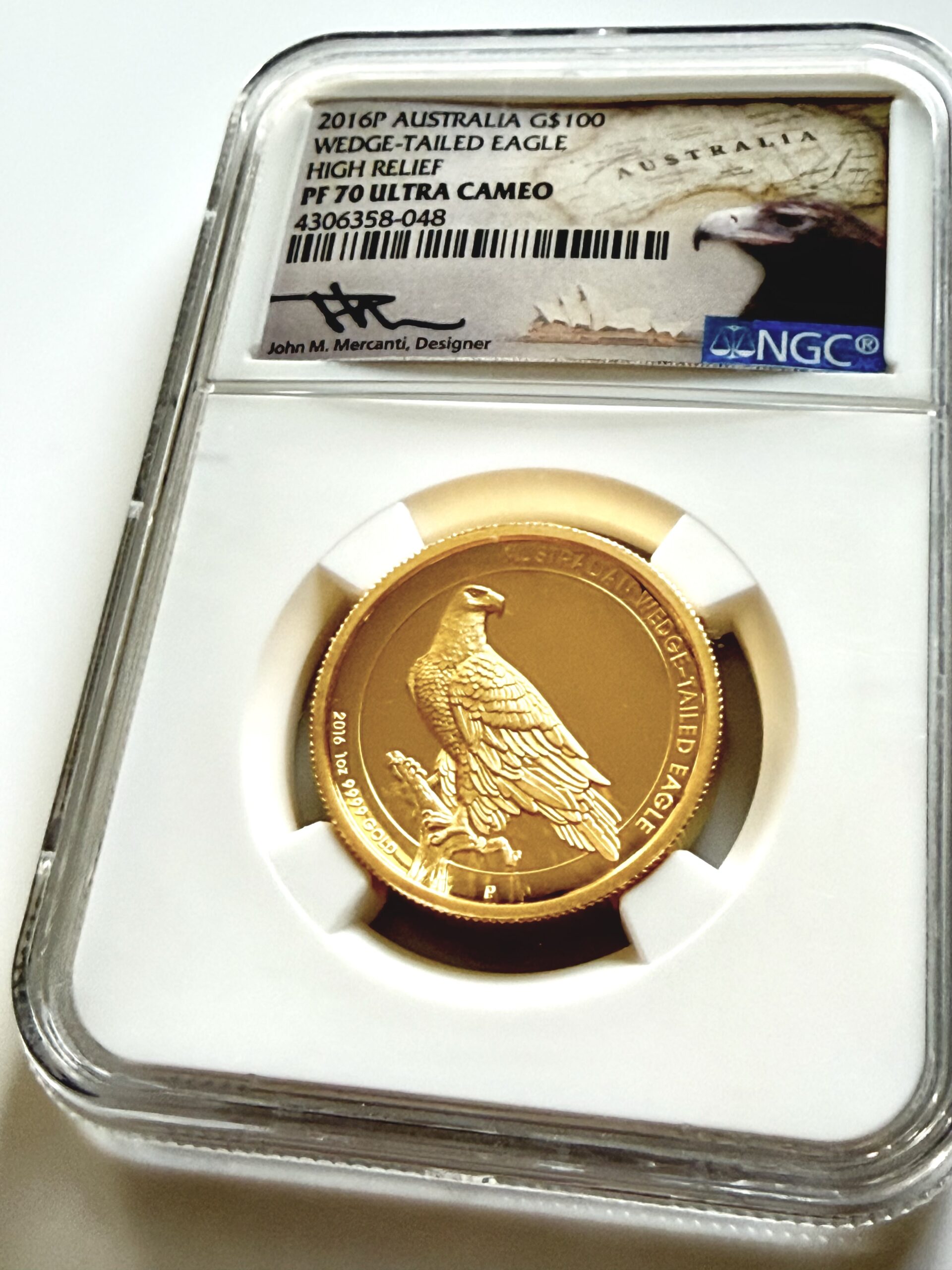
Australien – 2016 – 100 Dollar – Wedge Tailed Eagle – Gold 1 oz Proof High Relief – NGC PF70 UCAM – Mercanti Signed Label
4.600,00 €
plus Versand
Jetzt entdecken -
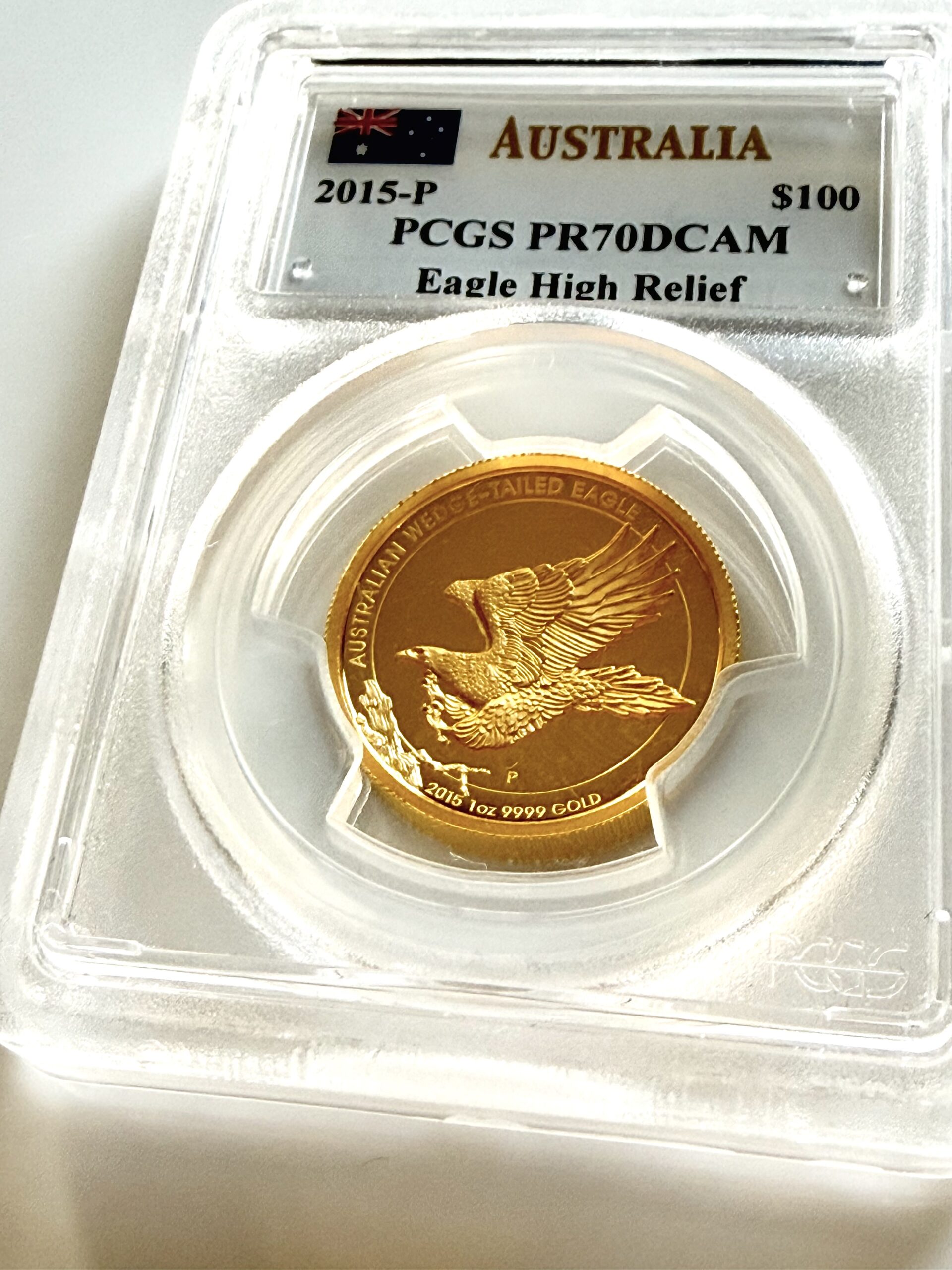
Australien – 2015 – 100 Dollar – Wedge Tailed Eagle – Gold 1 oz Proof High Relief – PCGS PR70 DCAM – Mercanti Signed Label
4.600,00 €
plus Versand
Jetzt entdecken -
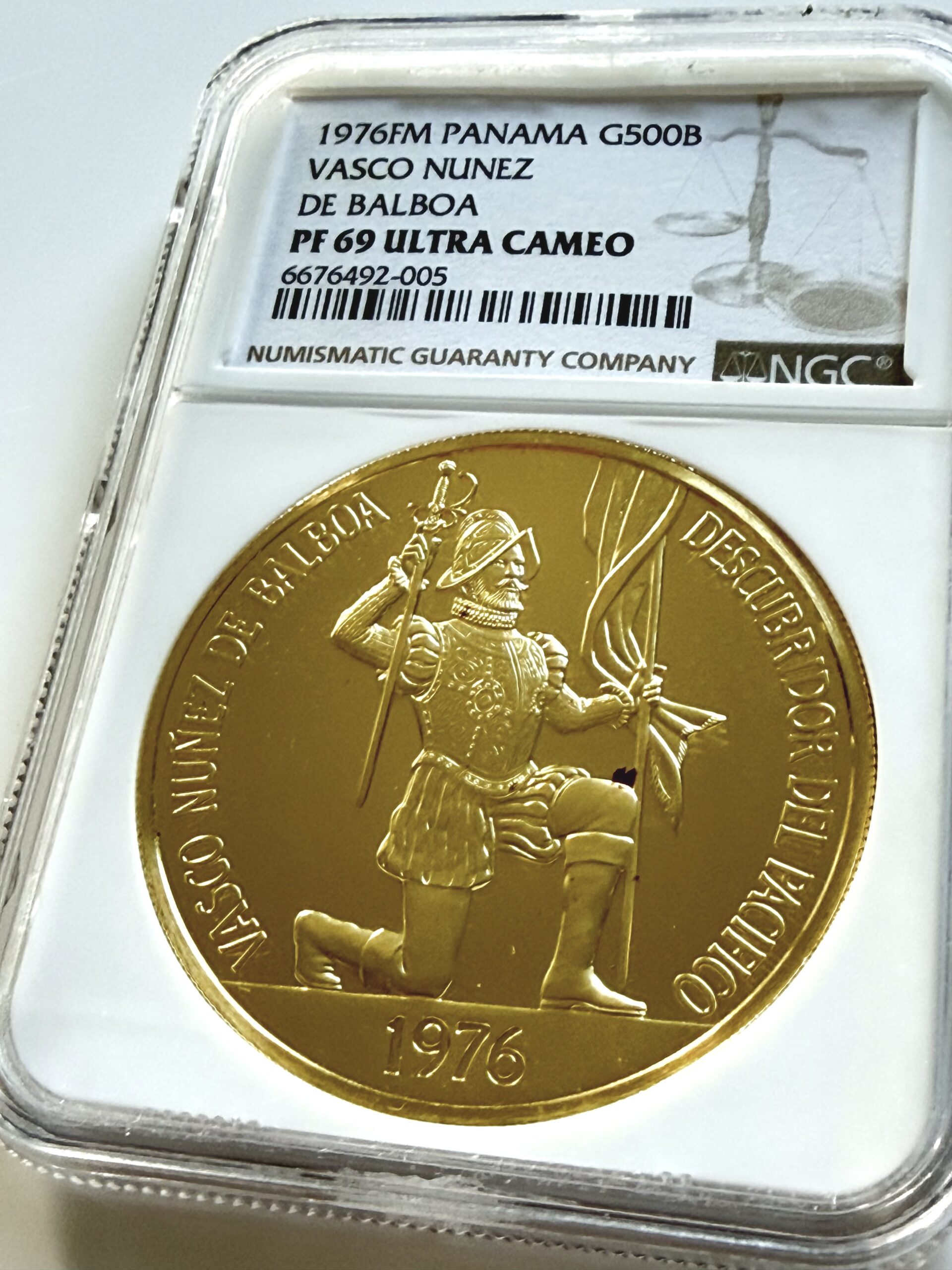
Panama – 1976 – 500 Balboas – 500 Jahre Vasco Núñez de Balboa – Gold Proof – NGC PF69 Ultra Cameo
5.600,00 €
plus Versand
Jetzt entdecken -
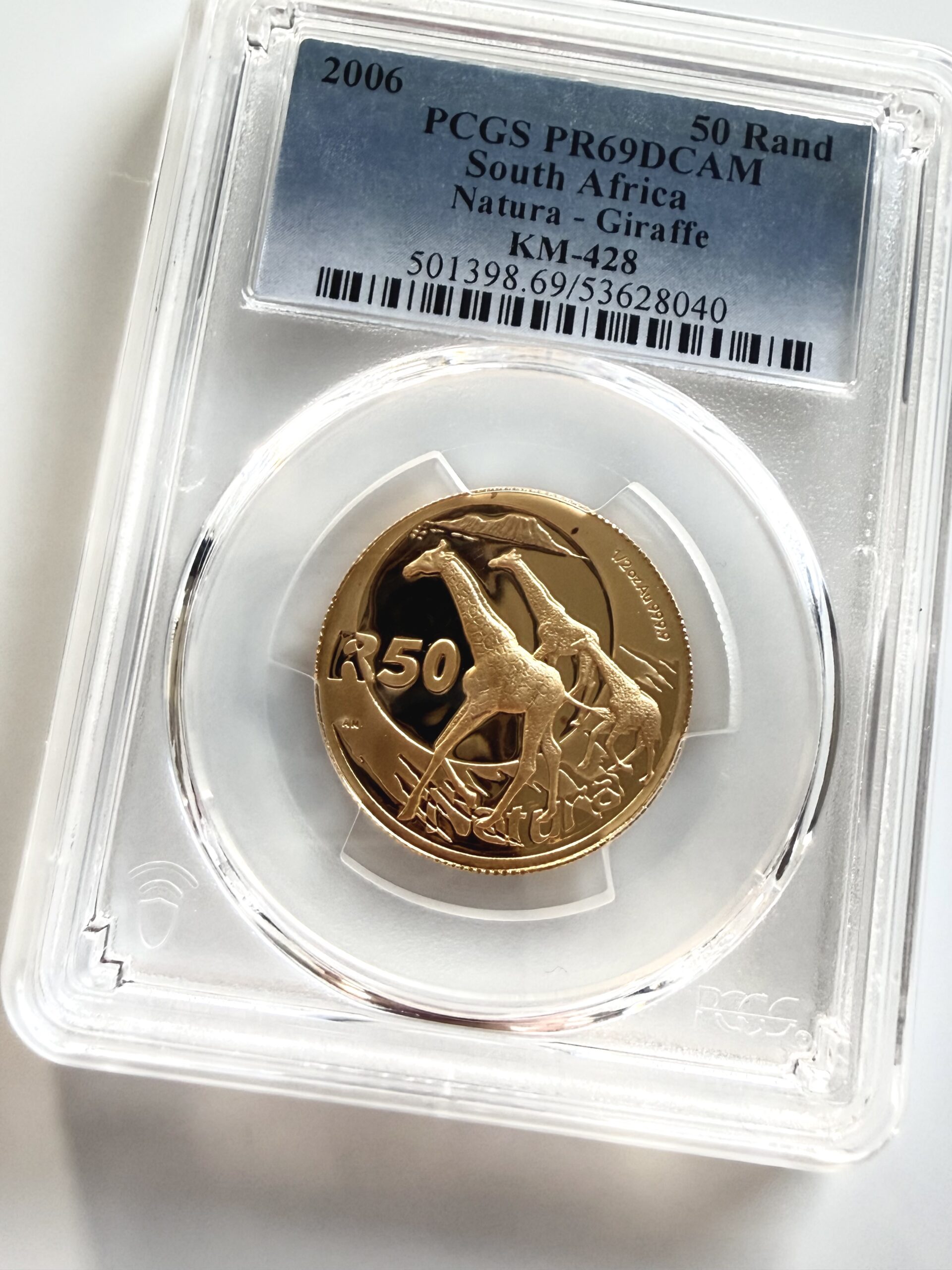
Südafrika – 2006 – Natura – Giraffe – 50 Rand – 1/2 oz Gold Proof – PCGS PR69 DCAM
2.400,00 €
plus Versand
Jetzt entdecken -
Großbritannien – 2020 – 100 Pfund – Mayflower 400th Anniversary – 1oz Gold Proof – NGC PF70 Ultra Cameo – First Day of Issue
4.500,00 €
plus Versand
Jetzt entdecken -
Südafrika – Krügerrand – 2000 – 1 oz – Gold – Proof – PCGS PR69 DCAM
4.800,00 €
plus Versand
Jetzt entdecken -
Südafrika – Krügerrand – 2000 – 1/2 oz – Gold – Proof – PCGS PR69 DCAM
2.350,00 €
plus Versand
Jetzt entdecken -
Mexiko – 2016 – Libertad – 1 Onza – Gold – Stempelglanz – PCGS MS70
4.700,00 €
plus Versand
Jetzt entdecken -
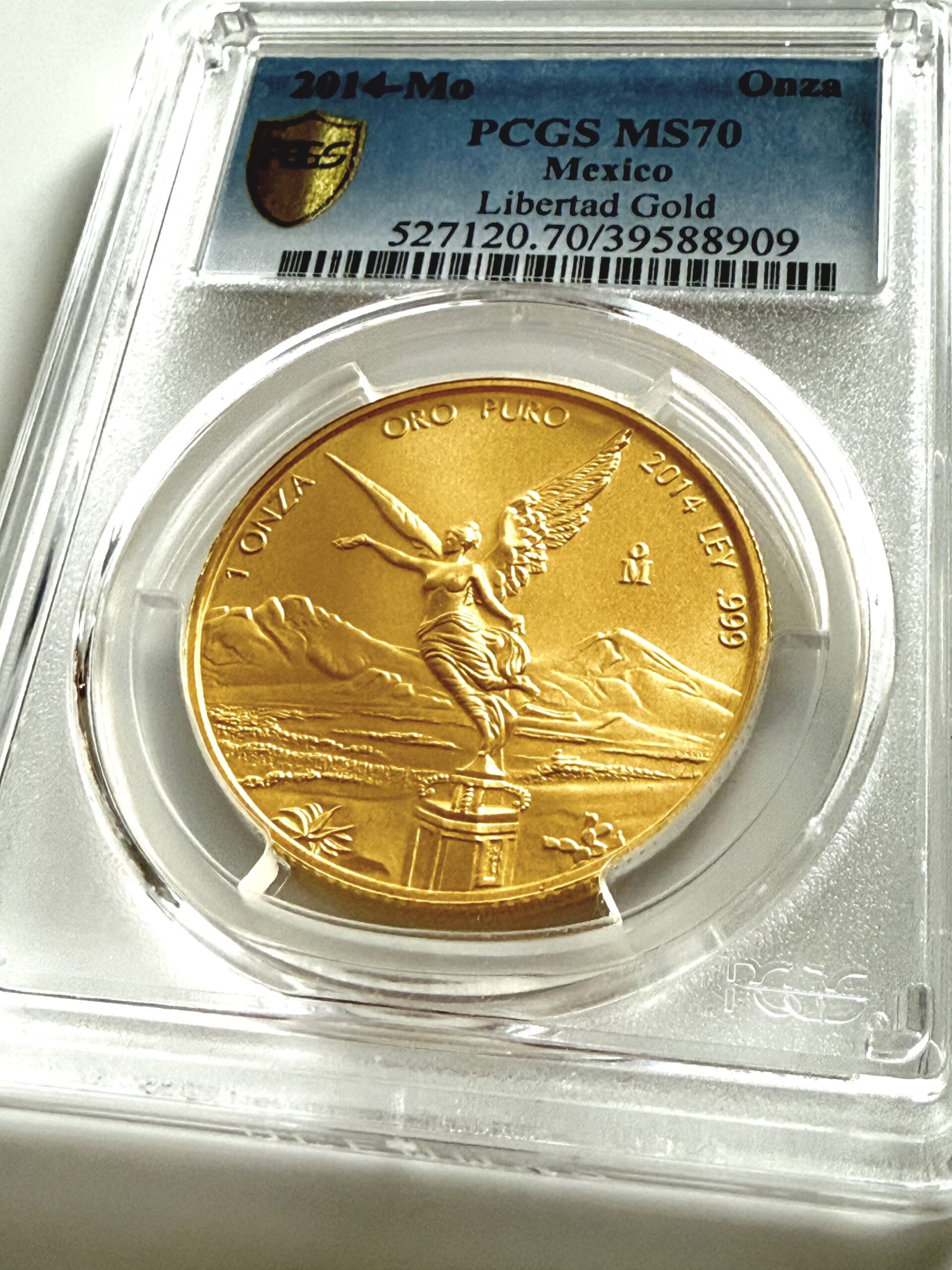
Mexiko – 2014 – Libertad – 1 Onza – Gold – Stempelglanz – PCGS MS70
4.800,00 €
plus Versand
Jetzt entdecken -
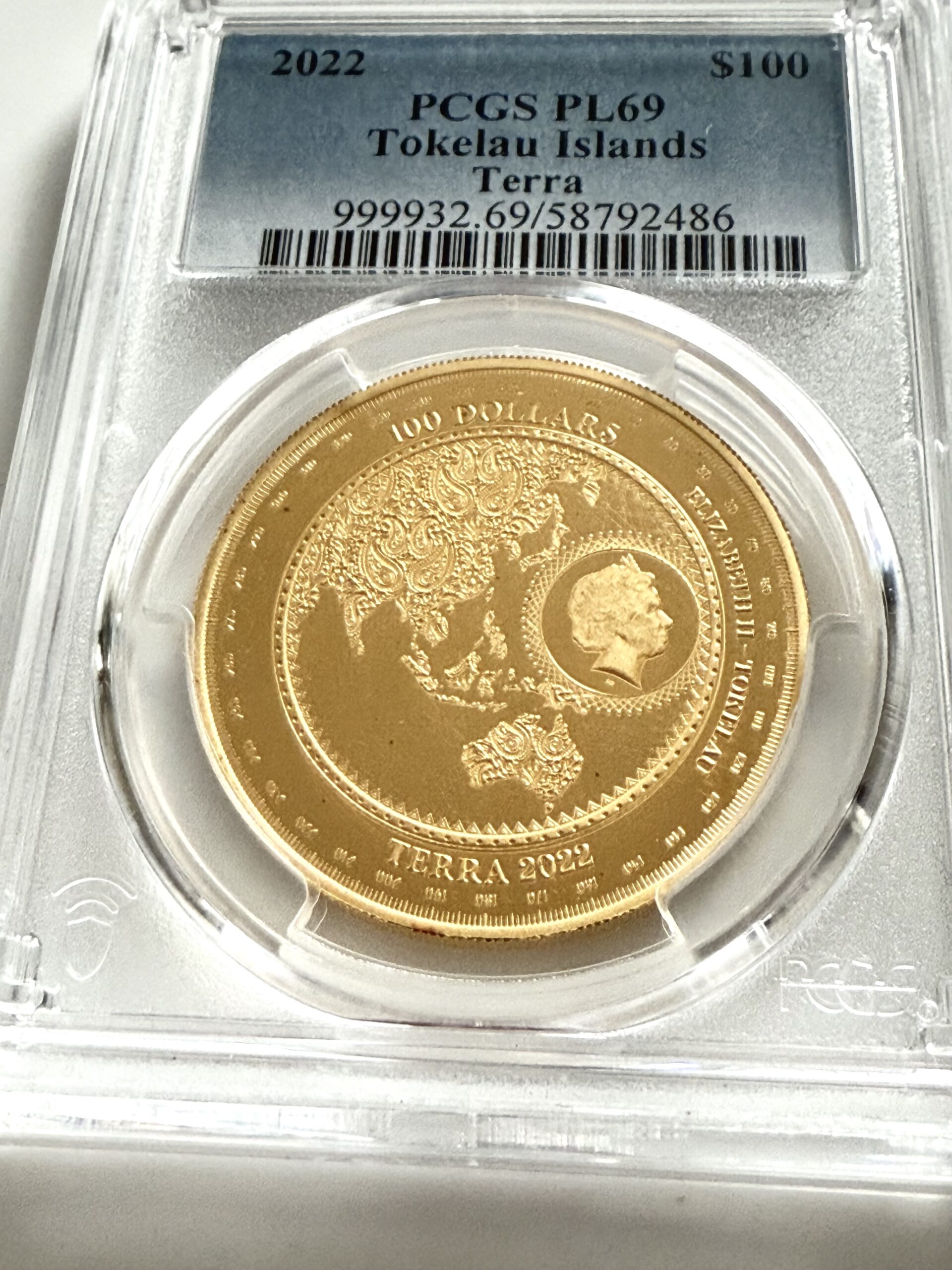
Tokelau – 2022 – 100 Dollar – Terra – 1 oz Gold – Prooflike – PCGS PL69 – Top Pop
4.500,00 €
plus Versand
Jetzt entdecken